Water Softener

Water Softeners
A good water softener can improve:
Your heating systems will perform better, your appliances will last longer, and your dishes/fixtures will present fewer limescale spots. Softer and cleaner clothes, better working machinery, and so on.
Hard Water
Hard water is caused by a high concentration of dissolved minerals, primarily calcium and magnesium ions
A water softener is the most effective at fighting scale since it removes the hard water to begin with.
The resin inside the tank has sodium ions that it trade with the calcium and magnesium ions, which remove the hard water.
Water Conditioners
Conditioners such as anti-scale and citric acid are going to help to a degree, depending on your levels, but the hard water and scale will still be there, just easier to wipe away. This is because it does not remove them; it simply transforms the Calcium and Magnesium into more stable crystals that have a harder time latching on to create the scale buildup.

Water Softeners
Ion exchange and water softeners
Water softeners typically use an ion-exchange process to reduce the levels of calcium and magnesium, which can build up in plumbing and fixtures, as well as barium and radium, which can be found in tap water. The levels of other contaminants usually remain unchanged.
Since water softeners replace calcium and magnesium with sodium, doctors may advise people with certain health conditions, such as those who wish to maintain a low-sodium diet, to avoid softened water. Softened water is not recommended for watering plants and gardens.
Ion exchange and water softeners: Ion exchange reduces nitrate, fluoride, sulfate, and arsenic. Water softeners typically use an ion exchange process to soften water by removing calcium and magnesium and replacing them with sodium. They won’t remove the contaminants. (check water filters). If you have a low-sodium diet check with your doctor. Some Softened water is not recommended for watering plants and gardens.
Salt-Based Water Softeners Ban
❌ Salt-based water softeners: banned in many areas, particularly in California, due to their environmental impact. These systems use a process called ion exchange, replacing calcium and magnesium (the minerals that cause hard water) with sodium or potassium.
Legislation: In 2005, California allowed local governments to ban salt-based water softeners to comply with environmental regulations. This was largely a response to the increasing salinity levels in wastewater that could not be adequately treated by municipal systems
Community Action: By 2014, approximately 25 communities had enacted bans or restrictions on these systems, including major areas like Los Angeles, San Diego, and Santa Barbara
Other States: Michigan, Texas, Connecticut
Citric acid-based Water Softeners
❌ Citric acid-based water softeners: are not recommended for anything involving hard water or scale buildup, since it has something that is added to the water. Hard water treatment is less effective in removing calcium and magnesium ions, which cause hardness. While it can dissolve mineral deposits temporarily, it doesn’t provide long-term softening. Citric acid also lowers the water‘s pH, which can lead to corrosion in pipes and appliances. Additionally, it is not as practical or cost-effective as other methods like ion-exchange systems, which offer more efficient and sustainable solutions.
Plus, it is an acid and its erosive properties can interfere with teeth issues (Enamel Erosion, Increased Sensitivity, Cavity Risk, Aesthetic Changes, Canker Sores), stomach issues (acid reflux), and skin issues.
Water Descalers
Water descalers, also known as water conditioners, are devices designed to address hard water issues without removing minerals from the water. Unlike traditional water softeners, descalers work by altering the chemical structure of hard water minerals to prevent scale buildup in pipes and appliances.
Water descalers technology:
- Template Assisted Crystallization (TAC): This is the most common method used in descalers. TAC transforms calcium and magnesium ions into stable, microscopic crystals that flow through water without adhering to surfaces
- Electromagnetic Treatment: Some descalers use low-voltage electrical currents or magnetic fields to charge the minerals, preventing them from depositing on surfaces
The Best Water Softeners
The best option would be a water softener using ion-exchange. Ion exchange is better for hard water treatment because it effectively removes calcium and magnesium ions, the main cause of hardness. In this process, hard water passes through a resin bed, where calcium and magnesium ions are exchanged for sodium or potassium ions. This results in softened water without changing the pH significantly. Ion exchange is more efficient, sustainable, and scalable for both household and industrial use, providing long-term softening without the risk of corrosion.
A water softener for the whole house softens all the water that comes into your home, and that offers you a wide range of benefits. In particular, you can enjoy the following advantages when you install this solution in your home:
- ✅ Shinier silverware, glasses, mirrors, plumbing fixtures, and any other glass or metal objects you clean with your water
- ✅ Softer skin and hair
- ✅ Soap lathers more easily, so cleaning becomes more effective and requires less soap
- ✅ Softer clothing, fabrics last longer, and no dingy grey build-up like you get with hard water
- ✅ Eliminates mineral build-up on appliances
- ✅ Improved longevity for all appliances that use water, including washing machines, dishwashers, coffee makers, etc.
Water Test
The softener is not going to filter a whole lot extra, but it can help with iron and lead removal when paired with other filters. Once you know what type of water you are working with, you can get a little more detailed on what filtration would work best for you. That’s why I recommend testing your water first.
To test your tap water, the approved water test for your house is:
- 🌿 Tap Score $10 off $100 code: PRETTYORGANICGIRL. It allows you to spot the specific contaminants in your water and so you can pick the best water filter, shower filter, faucet filter, and bath filter for you! Tap Score is powered by SimpleLab’s network of approved 200+ certified laboratories.
The Best Water Softener Brands
Shop with my links to support my research!💖



Tap Score The Best Water Test
💦 Tap Score is the only home water testing that goes beyond what regular laboratories or testing kits: it applies toxicological and epidemiological research to your water's contaminant profile in order to give you a full picture of how drinking water
It offers accurate results for over 1000+ contaminants. I ordered two kits, one to test house water and the other to test drinking bottled water.
First, you would need to test your water, and then you will know exactly which kind of water filter you need.
After testing your water, then you are ready to order a water filters targeted to resolve the contaminants specifically found in your tap water, based on your geographic location, and house structure.
So then you can pick the best under the sink water filter, the best shower filter, the best bath filter, water softener for your home.
- ✅ For Water Utility Customers: Water from a utility can spend 3-7 days traveling through old pipes before reaching your home, where plumbing and fixtures can also influence water quality.
- ✅ For Private and Shared Wells: The only way to know what's in your well is to perform a complete screen. Some potent carcinogens, like arsenic, have no taste or color.
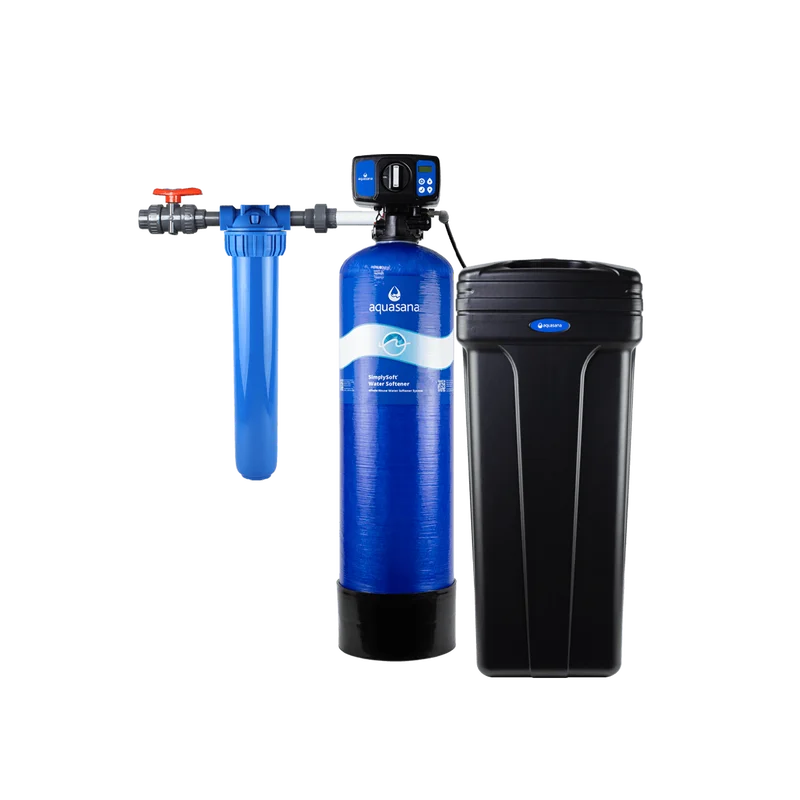
Aquasana Water Softener
Aquasana has an amazing offering. You can add a water softener to their water filter or get a water softener unit.
This reduces minerals that cause hard water, providing softer, scale-free water from every tap in your home.
✅ This water softener works by reducing hard minerals in your water through a process called ion exchange.
✅ APMO certified to NSF/ANSI Standard 44 for the reduction of water hardness and to CSA B483.1.
- With a 40,000 grain capacity, this system ensures a steady supply of soft water for households of all sizes
- It shields your pipes and expensive appliances from the effects of hard water
- Get spotless glasses, dishes, and shower doors by reducing scale
- Gentle on your skin and hair, reducing irritation and preventing breakage
To see all their amazing options and to learn more check their website
SYSTEM: ion exchange

Crystal Quest Salt-Free Water Conditioner
💦 CRYSTAL QUEST® Salt-Free Water Conditioner Water Travels Through 4 Stages of Filtration is a water softener solution without the use of salt, which is banned in some states for the environmental impact.
The salt in the wastewater contaminates groundwater basins, recycled water supplies, rivers, and aquatic ecosystems, harming both the environment and agricultural operations that rely on treated wastewater
- Stage 1: Water flows through a 20” sediment filter cartridge that removes sediment, silt, sand, and dirt.
- Stage 2: Water flows through a Crystal Quest Eagle Anti-Scale media tank.
- Stage 3: Water flows through a 20” solid carbon cartridge for removing volatile organic carbon compounds (VOCs), insecticides, pesticides, and industrial solvents.*
- Stage 4: Water passes through a 20” 0.2-micron ultrafiltration (UF) membrane. Ultrafiltration (UF) is an important purification technology used for the production of high-purity water. UF is effective for the removal of colloids, proteins, bacteria, viruses, parasites, protozoa and pyrogens (e.g., gram-negative bacterial endotoxins), other organic molecules larger than 0.2-micron, and most other water contaminants known today.
Water Express Water Softener
Aquasana has an amazing offering. You can add a water softener to their water filter or get a water softener unit.
This reduces minerals that cause hard water, providing softer, scale-free water from every tap in your home.
✅ This water softener works by reducing hard minerals in your water through a process called ion exchange.
✅ APMO certified to NSF/ANSI Standard 44 for the reduction of water hardness and to CSA B483.1.
- With a 40,000 grain capacity, this system ensures a steady supply of soft water for households of all sizes
- It shields your pipes and expensive appliances from the effects of hard water
- Get spotless glasses, dishes, and shower doors by reducing scale
- Gentle on your skin and hair, reducing irritation and preventing breakage
To see all their amazing options and to learn more check their website
SYSTEM: ion exchange
Not Recommended
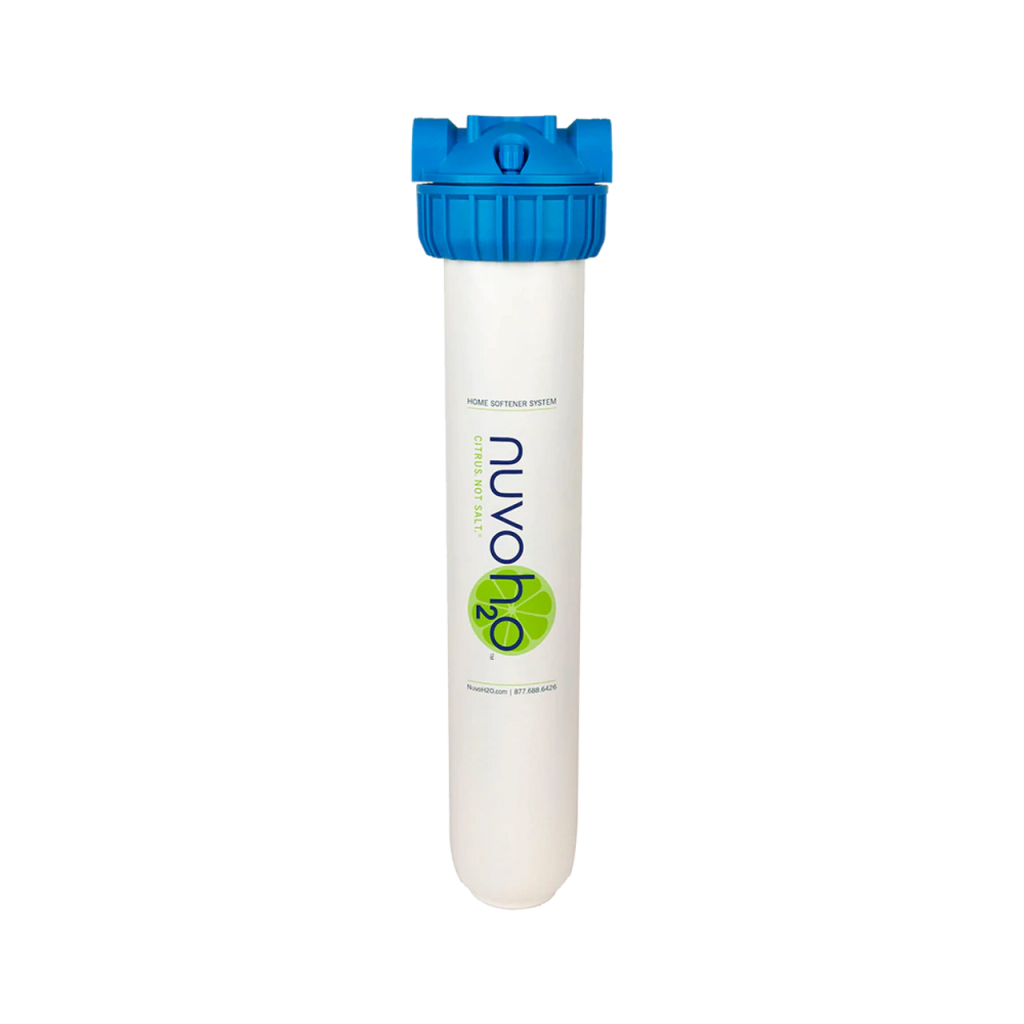
❌ Not Recommended
I do recommend this system as it adds citric acid to your water
Effects of Citric Acid on Teeth
Enamel Erosion: Citric acid lowers the pH in the mouth, creating an acidic environment that weakens and dissolves tooth enamel over time. Once enamel is eroded, it cannot regenerate, leaving teeth vulnerable to sensitivity, discoloration, and decay.
Increased Sensitivity: Erosion of enamel exposes the underlying dentin layer, leading to heightened sensitivity to hot, cold, or sweet foods and drinks.
Cavity Risk: Weakened enamel makes teeth more prone to cavities and decay, especially when citric acid is combined with sugary foods or beverages.
Aesthetic Changes: Prolonged exposure to citric acid can lead to discoloration as the yellowish dentin becomes visible through the eroded enamel
Canker Sores: High-acidity foods and drinks may irritate soft tissues in the mouth, increasing the likelihood of painful canker sores