Low Mercury Fish

Conventional Food
It is estimated that nearly 80% of the seafood that the United States consumes is imported from overseas. A significant portion is sourced from farms with unsustainable practices.
❌ Imported from overseas: unsafe practices and condition that ruins our oceans
❌ Unsustainable farms: polluting and isleading
❌ Mercury and Toxins in Fish: Mercury and polychlorinated biphenyls (PCBs) find their way into the ground, lakes, and ocean water from industrial waste and households, and then they reach fish. Some types of fish may contain high levels of mercury, PCBs(polychlorinated biphenyls), dioxins, and other environmental contaminants. Levels of these substances are generally highest in older, larger, predatory fish and marine mammals. Five of the most commonly eaten fish or shellfish that are low in mercury are shrimp, canned light tuna, salmon, pollock, and catfish. Avoid eating shark, swordfish, king Mackerel, or tilefish because they contain high levels of mercury. FDA
❌ Tuna, swordfish, and shark: unhealthy for mercury content
Greenwashing Fish: Seafood Fraud
Mislabeled fish is a major issue in restaurants and grocery stores because the global seafood supply chain relies on a limited stock of fish and prioritizes cheap, readily available products. Consequently, premium fish like red snapper, grouper, sea bass, halibut, or salmon are frequently swapped for cheaper, different species.
The ocean advocacy group Oceana conducted DNA testing on samples of salmon collected from stores and restaurants in the United States. The study discovered that 43% of the samples were either farmed, Atlantic salmon marketed as wild salmon or a totally different species.
❌ Avoid greenwashing salmon, which is misleading. Atlantic salmon is often a deceiving marketing trick to sell you farmed salmon.
Irresponsible farmed salmon is full of toxins. Furthermore, salmon feedlots incubate diseases at abnormal levels and transfer those diseases to wild fish populations with devastating effects.
Unless you know your source avoid farmed fish!
1. Check Its Fat: The flesh of a farmed salmon typically has thick white stripes of fat.
2. Notice the Color: Wild salmon are typically a deeper red than farmed.
3. Check the price: Wild salmon is almost always more expensive than farmed.
Wild Caught Fish
💠Wild caught salmon is caught in natural environments such as oceans, rivers, and lakes,
It eats other organisms found in their natural environment, and they are healthier and with brighter natural colors. Rich in healthy omega nutrients and minerals.
Farmed fish are contained in smaller spaces and have a completely different diet and environment from wild fish. They are given a processed, high-fat, high-protein feed in order to produce larger fish. Since farmed salmon has three times the total fat of wild salmon, a large part of these fats are omega-6 fatty acids, making them more inflammatory.
✅ Wild Alaskan salmon is one of Mother Nature’s superfoods.
✅ Alaska has the best-managed fisheries in the world: Due to severe environmental and ecological concerns, it is illegal to farm salmon and any other finfish in Alaska. The State of Alaska’s constitution explicitly mandates that all fisheries be managed sustainably. Industrial pollution is heavily restricted, making Alaskan waters among the cleanest and most well-monitored marine habitats on earth.
The Safest Fish
No fishmeal, no antibiotics, and no human intervention.
Frozen within 3 hours without the use of chemical preservatives like sodium triphosphate.
I have become very concerned about mercury and other toxins in fish. I reduced my fish intake, and I replaced my fish oil with vegan fish oil (algae-based)
The Best Sustainable Fish Brands
- 🌿 Seatopia $20% off code: PRETTYORGANICGIRL
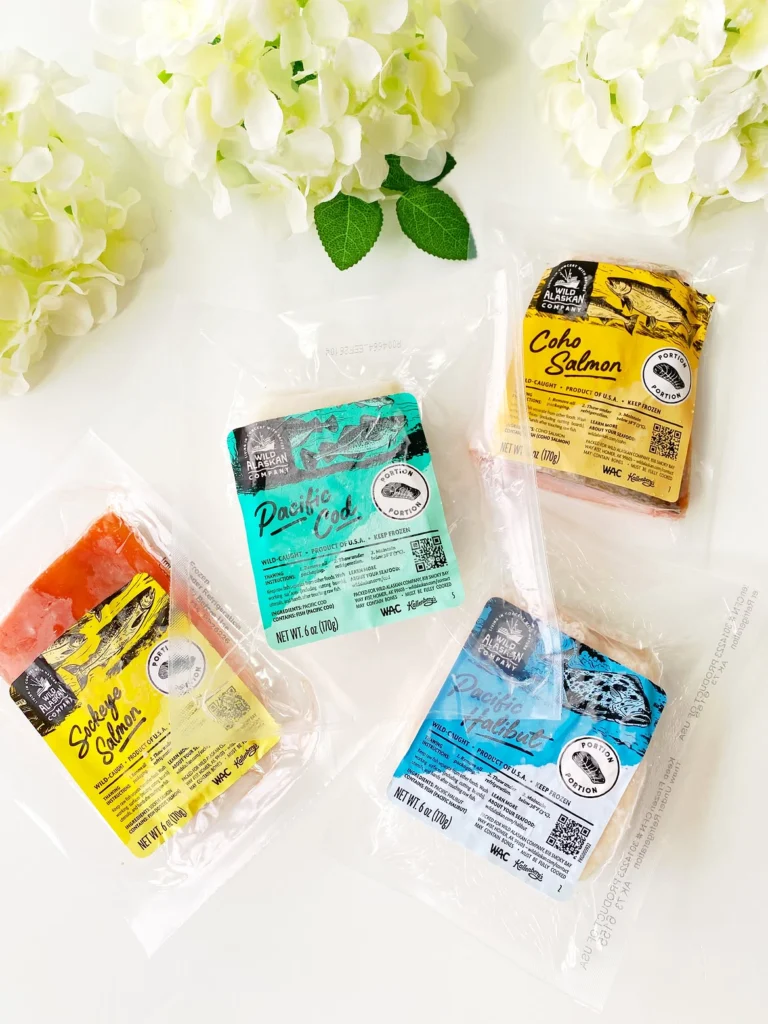
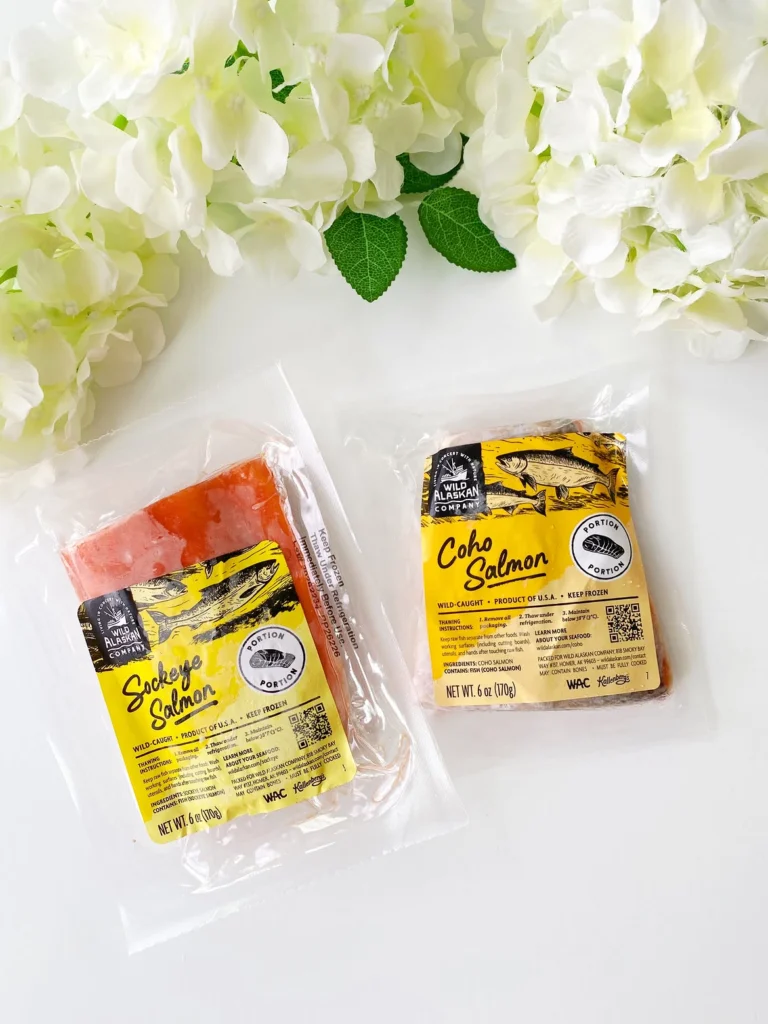
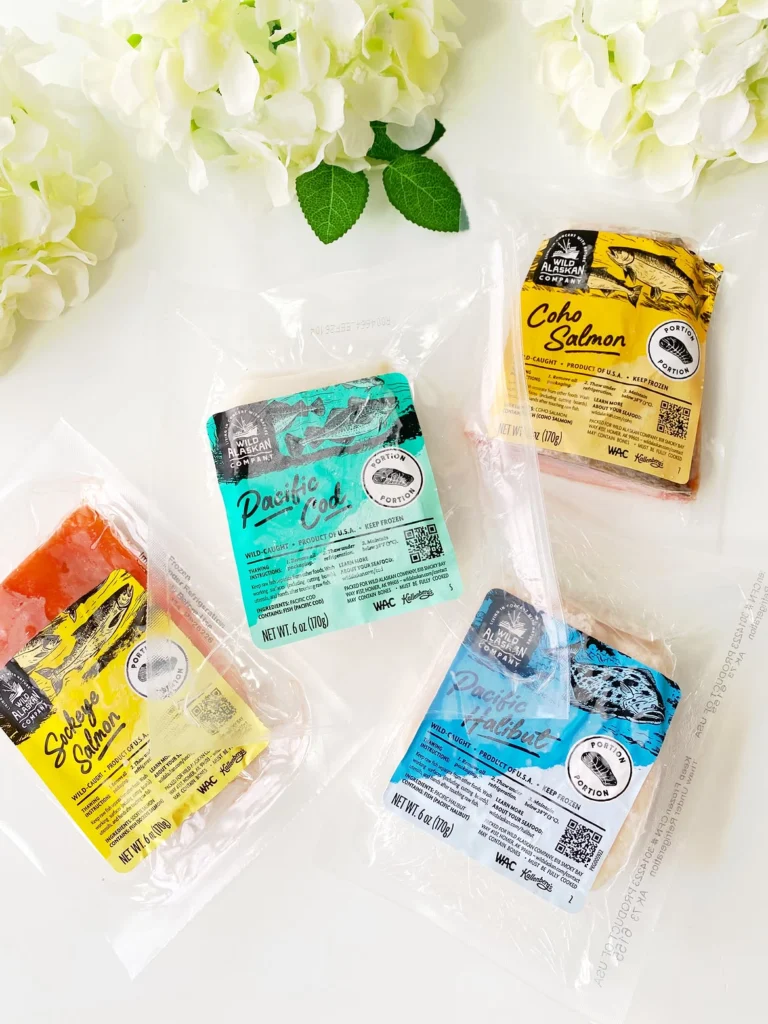
- 🌿 Wild Alaskan Company
Shop with my links to support my research! 💖

Wild Alaskan Company
Wild Alaskan Company offers the best fish in the world! My favorite place to order fish!
I have histamine intolerance, so it is very important to have the freshest fish possible! Plus, this is sourced from the cleanest water and is everything wild!! The founder is dedicated to offering only 100% wild-caught fish versus farmed
It is estimated that nearly 80% of the seafood that the United States consumes is imported from overseas. A significant portion is sourced from farms with unsustainable practices.
This brand is dedicated to offering only 100% wild-caught fish from Alaska & the Pacific Northwest, sustainably sourced.
Wild-caught Alaskan salmon is one of Mother Nature's superfoods: one of the purest and healthiest choices available.
It is delivered to your door, frozen at peak freshness
This brand is built on three generations of Alaskan commercial fishing experience; the founder, Arron Kallenberg, is the son of a commercial fisherman and the grandson of a commercial fisherman.
✅ Alaska has the best-managed fisheries in the world! Thanks to strict environmental and ecological standards, it is illegal to farm salmon and any other finfish in Alaska.
Processed and stored in the Pacific Northwest, then sent and packed across the U.S.
- ✅ 100% Wild-caught fish
- ✅ Never Farmed
- ✅ Clean waters
- ✅ Frozen at peak freshness
- ✅ Sustainably-Sourced
- ✅ Alaska & the Pacific Northwest
- ✅ Best-managed fisheries in the world
INGREDIENTS: 100% wild-caught fish
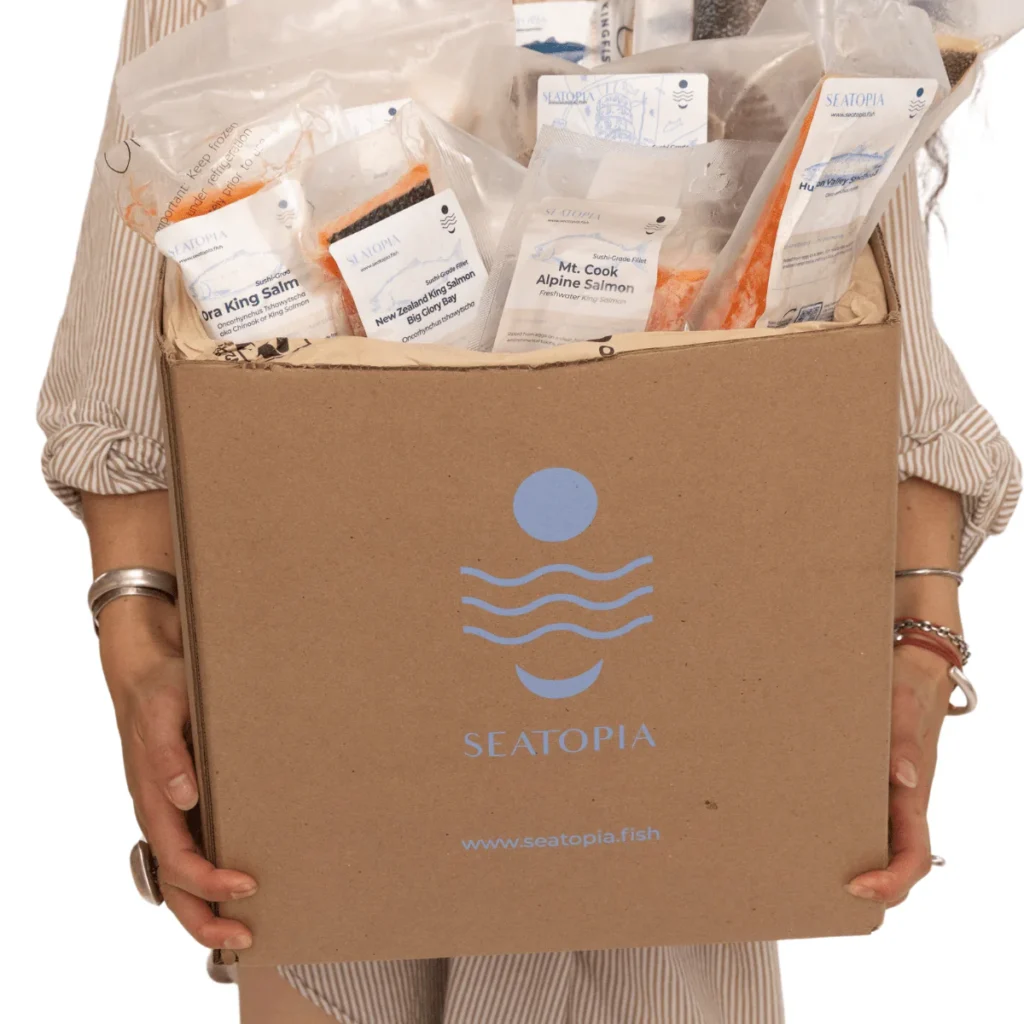
Seatopia Lab Tested Fish
Seatopia is the world's first and only seafood company in the world that tests to test seafood for omega, mercury, and detectable microplastics. This ensures the fish and seafood is both safe and highly nutritious.
-
✅ Lab Testing for safety: tested for mercury (kept well below FDA limits, less than 0.1 ppm), microplastics (non-detectable levels), and important nutrients such as omega-3 fatty acids (DHA + EPA), protein, vitamin D, and selenium.
-
✅ ISO-accredited third-party labs: Seatopia works with ISO-accredited third-party labs to verify the purity and nutritional content of their seafood.
-
✅ Sustainable and Regenerative Aquaculture: Their seafood comes from artisanal farms that focus on sustainable, low-density fish farming practices that do not harm wild marine ecosystems. Regenerative aquaculture that promotes ocean health and biodiversity.
Every box is shipped snap frozen
Seatopia goal is to move beyond traditional or industrial aquaculture and adopt highly sustainable, technologically advanced, and socially responsible practices. This approach aligns with evolving global standards, regulatory trends, and the growing market and societal demand for genuinely sustainable seafood production.
INGREDIENTS: frozen fish tested for mercury, microplastics.
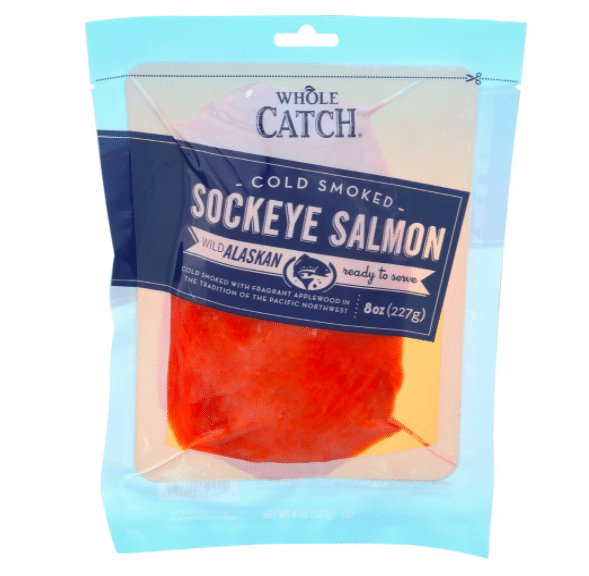
Whole Catch, Cold Smoked Wild Alaskan Sockeye Salmon
💠 Salmon has considered one of the safest fish available since it contains a lower amount of mercury compared to other fish.
Skip the larger fish such as "king salmon" since larger is fish have more mercury because they eat smaller fish.
Choose smaller fish.
Avoid farmed salmon and choose wild.
Alaska water is considered cleaner water, and Atlantic salmon often is a deceiving marketing trick to sell you farmed salmon.
-
This product is Marine Stewardship Council (MSC) certified. In order for a fishery to earn MSC certification, they’re evaluated by an independent third party in accordance with the MSC Fisheries Standard for healthy fish populations and ecosystems, and effective management.
-
All seafood from the Whole Foods Market Seafood department is Responsibly Farmed or sustainable wild-caught.
-
Certain preservatives prohibited, including sodium bisulfite and STPP
-
Traceable to farm or fishery
-
For the best salmon in the world, we headed north to the icy waters of Alaska. Our wild caught Sockeye Salmon is cold smoked in the tradition of the Pacific Northwest, using only applewood, and sliced to our specifications.

TreeBoard Organic Cutting Boards
🌿This is my number one recommended cutting board! Here is the guide on how to pick the best organic cutting board:
👉Avoid conventional Cutting boards:
❌ Plastic: plastic particles, BPA, phthalates, contaminants
❌ Mineral oil: petroleum-derived
❌ Glue: Since many contain toxic ingredients
❌ Epicurean: made with recycled material glued together. Including wood, paper, resins, and plastic. Plus, bacteria issues.
👉Avoid Greenwashing Cutting boards:
❌ Bamboo: not the best option even when it is organic, since it contains glue. Then we need to check if the glue is formaldehyde-free. I prefer to avoid any glue in a cutting board!
❌ Titanium: without a certification of purity
🎉This is the only brand that has it all!
👉 Sustainably certified, sourced lumber in a solid piece of wood
👉 Finished with an organic mixture of plant-based carnauba wax and organic raw linseed oil
👉 Beautifully hand-made in Maryland by Will, following the tradition
👉 Milled by an Amish family
- ✅ One piece of wood means it doesn’t need glue.
- ✅ Sustainably sourced wood
- ✅ Forest Stewardship Council (FSC)
- ✅ Appalachian Hardwood Verified Sustainable (AHVS)
- ✅ Milled by an Amish family
- ✅ Organic finish oil
- ✅ Made in the USA
You can’t get a more natural and beautiful cutting board than these. 🌿Especially the maple cutting board: the best North American wood for cutting boards, since the grain is hard and fine, resisting gouges and the absorption of liquids or food scraps.
MATERIAL: Natural maple or ash and white oak cutting blocks, organic flaxseed oil, and organic carnauba wax.
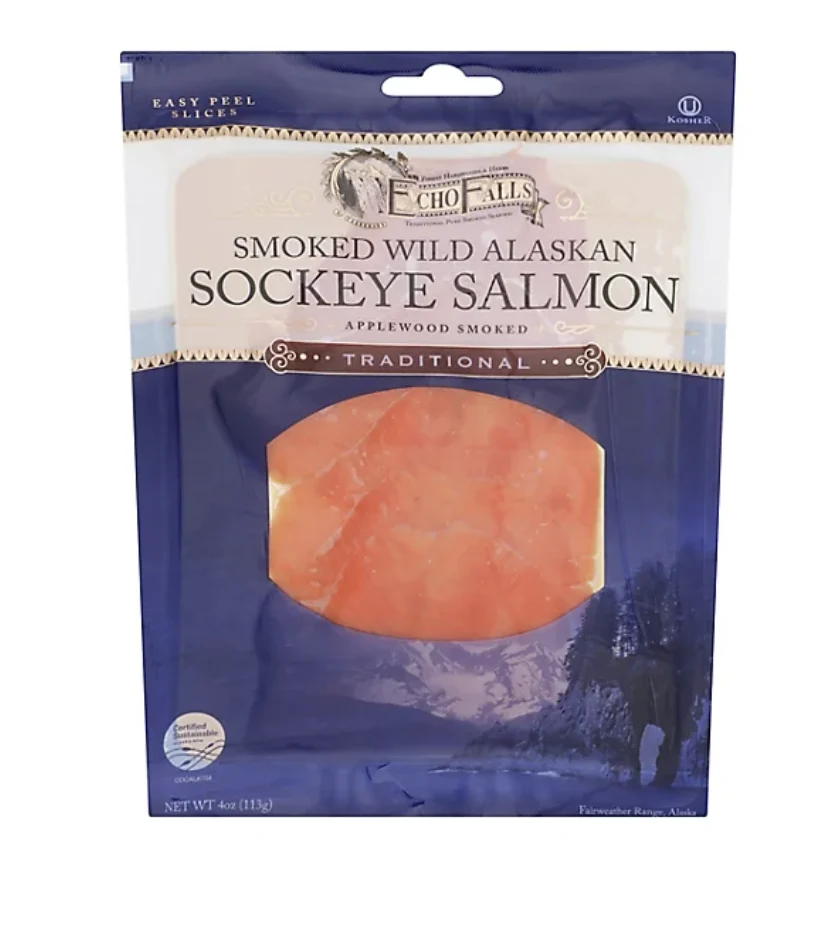
Echo Falls Wild Alaskan Sockeye Salmon
💠 Salmon has considered one of the safest fish available since it contains a lower amount of mercury compared to other fish.
Skip the larger fish such as "king salmon" since larger is fish have more mercury because they eat smaller fish.
Choose smaller fish.
Avoid farmed salmon and choose wild.
This wild Alaskan sockeye salmon is smoked to perfection, resulting in a rich and flavorful taste. Made with only two ingredients - smoked sockeye salmon and salt - it's a wholesome and delicious choice. Enjoy the natural goodness of this high-quality seafood.
This has the cleanest ingredient on the market:
INGREDIENTS: Smoked sockeye salmon, salt
Not Recommended
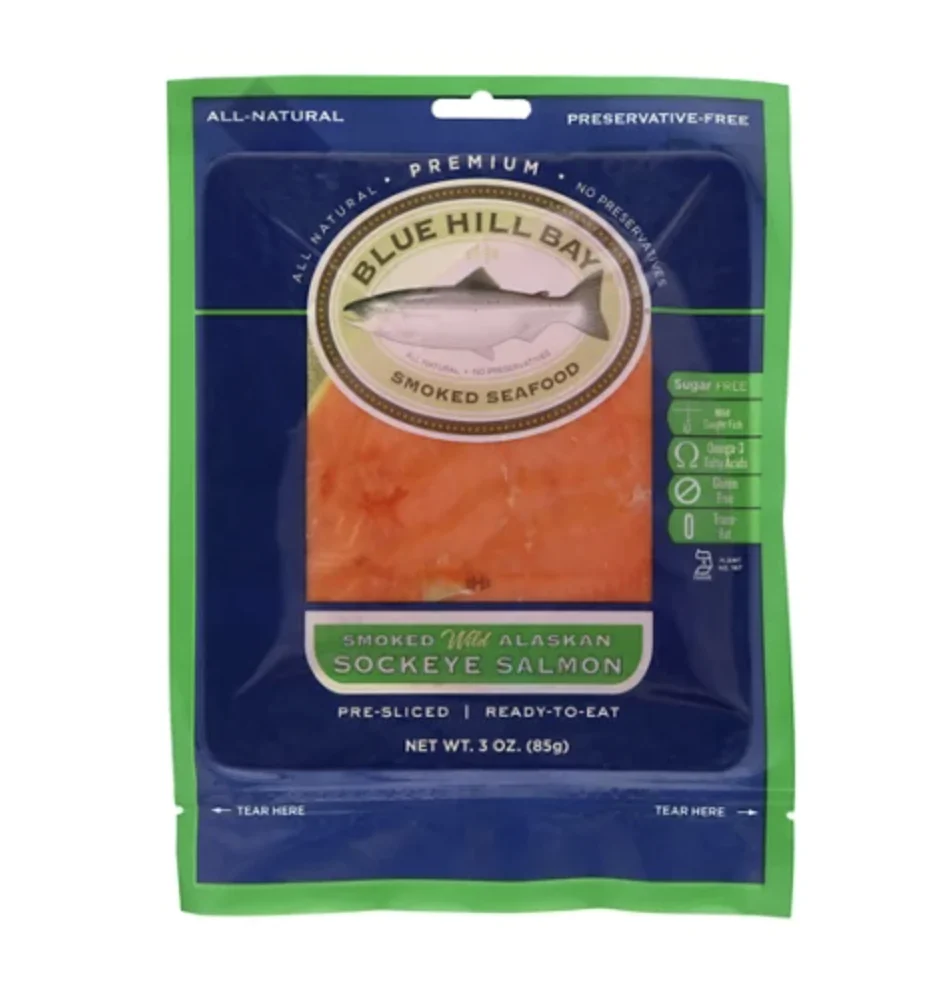
❌ Not Recommended: Blue Hill Bay Wild Alaskan Salmon
I don't recommend Blue Hill Bay Wild Alaskan Salmon
INGREDIENTS: Sockeye salmon, salt, natural green tea extract, celery extract, nisin, and natural hardwood smoke
Celery extract serves as a natural source of nitrates in smoked salmon, acting as a preservative to extend shelf life and prevent bacterial growth, much like synthetic sodium nitrite.
it is still nitrates
Health risks, such as potential formation of nitrosamines (linked to cancer with heavy processed meat intake), apply equally; celery extract isn't inherently safer or less regulated in nitrite levels.