Organic Toilet Paper

🌎 The demand for paper products is still high. 15% of global deforestation is caused by toilet paper products. 16 Million trees are literally flushed down the toilet every year in the form of toilet paper! More than 1 Million trees are cut down just to make toilet paper each day.
Approximately 90% of the world’s paper is manufactured from wood pulp, and only 1% of paper is made from non-wood sources in the United States.
Every year, over 900 million trees are harvested for the purpose of producing paper. Toilet paper and paper towels are made from trees cut down in forests around the world, mainly Canada, Brazil, and northern Europe. It can take decades for a forest to be able to clean the air from constantly produced pollution, and making paper from these forests is far from sustainable. These harvested trees can take over 30 years to regrow.
In Australia alone, over 3 million trees could be saved if we all switched to bamboo.
The more people who switch to Tree-Free paper, renew, reuse & recycle, the greater the message to the government and the world.
If 98% of toilet paper on retail shelves contains chlorine bleach, is filled with lint, contains BPA derivatives, and is made from full-grown trees manufacturers chop down, then it is time we completely move forward.
Conventional TP Brands
Avoid conventional toilet paper brands, which not only can be toxic but are also responsible for deforestation. They can contain PFAS, Heavy metals, Chlorine, Bleach, Paraffin, Wax, Formaldehyde, Dioxane, PEGs, Fragrance, PCP and more.
- ❌ Paper from trees: The big toilet paper brands, such as Charmin, Quilted Northern, and Angel Soft, primarily use freshly cut trees.
- ❌ Wood Fiber: TP from wood is responsible for 15% of global deforestation
- ❌ Bleach: TP bleached with chlorine and toxins are environmental pollutants and hazards that could cause skin irritation as well.
- ❌ Fragrances: a mysterious mix of undisclosed ingredients often responsible for skin irritations and toxic reactions.
- ❌ BPA: Bisphenol-A (BPA) and Bisphenol-S (BPS) are potentially toxic hormone-mimicking chemicals used in some plastics and plastic sealants. BPA has also been found in the ink on newspapers and receipts, leading to the presence of BPA in recycled paper products.
- ❌ Formaldehyde: It is usually added to conventional toilet paper to increase absorption.
- ❌ Colors added: unnecessary waste of resources and irritant agents and polluting factors. Choose white paper
- ❌ PFAS: Polyfluoroalkyl Substances (PFAS) are a group of man-made chemicals that are often used in food packaging. These chemicals don’t break down and can accumulate in the human body over time and leading to adverse health effects. Toxic ‘forever chemicals’ found in toilet paper around the world! There are six main PFAS compounds that account for the majority of PFAS detected in toilet paper and other household products: PFHxA, PFOA, PFDA, 6:2 diPAP, 6:2/8:2 diPAP, and 8:2 diPAP. PFAS can end up in toilet paper through:
- Recycled Paper: PFAS may enter the paper production process through contaminated post consumer materials.
- Water Sources: If the water used in the papermaking process is contaminated with PFAS, it can be transferred to the final product.
-
- Chemical Additives: Some paper products, including toilet paper, may use chemical additives that contain PFAS.
- Water-repellent chemicals: used to stop paper pulp sticking to the drums on which tissue is made
- Water-repelling wrapping: avoid toilet paper that is wrapped
Greenwashing TP Brands
Avoid greenwashing toilet paper made by brands that pretend to be better, safer, sustainable, non-toxic, when they are not. They will use their marketing tricks to convince you to buy their products. They may use FSC certification claims without actually been certified.
In this category, there are brands that are still better than regular tree paper, but if they truly want to be eco-friendly and offer better products, they should step up to the next step: safer brand
❌ False FSC-Certified Claim
One famous brand is claiming to be FSC-Certified without holding actual certification. It was conformed by the Forest Stewardship Council® FSC Certified
❌ Recycled Paper
Even if Post-consumer recycled toilet paper is a big improvement over paper made from virgin tree pulp because less water, less energy, and fewer chemicals are involved, there is an issue. Post-consumer recycled toilet paper is known to contain small amounts of bisphenol-A and bisphenol-S, better known as BPA and BPS, which is likely the result of the presence of thermal receipts in our paper recycling streams. While these BPA levels are generally under legal limits, we wanted toilet paper that was entirely BPA-free.
❌ Processed Chlorine-Free (PCF)
Processed chlorine-free but may contain residuals from recycled toilet paper mix. Some processes may contain a mixture of recycled materials that could have contained bleach. TCF has no mixture.
PCF-free whitening method is not approved when it is used for bleaching recycled materials. The process itself is not toxic, and it produces no dioxins. It is considered the most eco-friendly by the Natural Resources Defense Council. With the PCF method, the issue is that it’s impossible to know whether the original papers were bleached with elemental chlorine or chlorine dioxide. Unless it is used for organic bamboo (not recycled paper involved), I explain it below!
Bleaching Breakdown
Here, you learn all about bleaching techniques:
✅ Unbleached Toilet Paper
The best and safest option is unbleached toilet paper since it skips the bleaching step altogether, making it safer and more sustainable. Unbleached toilet paper is free from chlorine and other harsh chemicals used in the bleaching process, reducing exposure to potentially harmful substances. Hypoallergenic Properties: Without chemical residues, unbleached toilet paper is often less irritating to the skin, making it beneficial for those with sensitive skin or allergies. Reduced Environmental Impact: The production of unbleached toilet paper releases fewer pollutants into waterways and the air, as it skips the chemical-intensive bleaching stage
✅ Processed Chlorine-Free (PCF)
Safer only when it is used with bamboo paper and not with recycled material, which is considered contaminated. The organic bamboo toilet paper process does not include recycling, so in this case, PCF is approved because this whitening method is not used for bleaching recycled materials. The concern with recycled paper is that if toxic chemicals were used to produce the original paper, they can get mixed into the recycling process. So you want to find organic bamboo paper PCF: Paper that is processed chlorine-free (PCF) uses ozone, oxygen and/or peroxide to bleach the paper. This method uses no chlorine, thus significantly reducing the amount of harmful waste produced by the process. The process itself is not toxic, and it produces no dioxins. It is considered the most eco-friendly bleaching method by the Natural Resources Defense Council.
✅ Totally Chlorine-Free (TCF)
Better & safer: bleaching is completely chlorine-free! Instead of elemental chlorine or chlorine dioxide, TCF bleaching uses oxygen-based agents or hydrogen peroxide. That means it completely eliminates dioxin pollutants, making it safe for the environment and for you. The process reduces the total amount of waste, requires less energy, and consumes less water. This method is much more complex (and therefore expensive) than the ECF method.
Elemental Chlorine-Free (ECF)
- For nearly a century, there was really only one method of paper bleaching: Elemental Chlorine, a toxin so potent that it was used as a poison gas in WWI. The EPA finally stepped in in the 1980s, by the 1990s, almost all paper bleaching in North America switched over to the ECF method: Elemental Chlorine Free.
-
Elemental Chlorine-Free (ECF) is a cheaper toilet paper bleaching process. ECF (Elemental Chlorine-Free) technology includes hydrogen peroxide as the primary compound but also includes oxygen and chlorine dioxide. The compound chlorine dioxide is used instead of chlorine gas to whiten the tissue and produces only trace amounts of the toxic pollutant.
- It is still unclear whether those trace amounts are harmful to the environment or not. The pulp when is bleached with chlorine dioxide, which is a chlorine derivative that can still release dioxins. Dioxins are known toxin that causes reproductive and infertility problems in adults, damage the immune system, and interfere with the endocrine system.
- Until recently, almost all toilet paper was made with chlorinated bleach. In the last few years, as the damaging effects of bleach on our bodies and the environment became harder to ignore, some toilet paper companies have switched to an ECF (Elemental Chlorine Free) process. This is an improvement over previous methods, but Elemental Chlorine particles are still produced in the process and ultimately find their way into our waterways and bloodstream. Ideally, you want to pick unbleached paper.
Safer TP Brands
If you, too want to be part of the solution to protect the Earth and have fewer chemicals and toxins around, here is how to choose the most eco-friendly TP on the market:
✅ Tree-Free: avoid TP that is made with trees including the recycling ones, they are made by trees, and then they have been highly processed.
✅ Forest Stewardship Council® FSC Certified: The Forest Stewardship Council is an international organization that is dedicated to responsible forestry. They work to protect the environment and ecosystems within forests as well as the communities that surround and inhabit them. It not only works to protect water quality and prevent the loss of natural forest cover, but it also prohibits the use of hazardous chemicals in forests and protects the rights of local communities. Forest Stewardship Council® / Rainforest Alliance practices mission-based principles designed to promote health, limit environmental impact, and support social responsibility.
FSC certification ensures that products come from responsibly managed forests that provide environmental, social, and economic benefits. FSC-certified toilet paper means the source comes from certified mills and farms. It protects the forests of local communities and even helps people rebuild their forest homes. Purchasing FSC-certified TP helps prevent deforestation, including the conversion of natural forests into plantations.

✅ Totally Chlorine-Free (TCF) versus Elemental Chlorine-Free. To be sure that your TP is made without any chlorine, we need to get it only when they state Total Chlorine Free (TCF), Elemental Chlorine-free still uses chlorine, so avoid that!
✅ Processed Chlorine-Free (PCF): bamboo paper (only with bamboo it is approved and not recycled material).
✅ Hydrogen peroxide: which is a natural alternative to chemical bleaching agents.
✅ Sugarcane: It is the largest agricultural crop in the world. Sugar cane renews itself in as little as 12 months. Virgin sugar cane and bamboo pulp are comparable to freshly harvested tree pulp and is softer than recycled paper.
✅ Bamboo grass: is another renewable resource that can be harvested for production. It can grow three inches in just one day! It can regenerate to its full growth in as little as six months. Bamboo Produces 35% more Oxygen than Trees. Bamboo is farmed organically so no herbicides, pesticides, or synthetic fertilizers are used to grow the bamboo!
✅ Panda friendly: Great strides have been made in recent years in China to conserve the Giant Pandas through the establishment of Panda reserves. Panda-friendly bamboo: When their bamboo is not a food source for the Panda Bear. It is not harvested in any areas that could affect Panda Bears. There are at least 1,500 species of bamboo, and the bamboo grass used has been certified as a species that is not a food source for pandas.
✅ Plastic-free packaging: I try to avoid plastic packaging
✅ Organic bamboo: 100% Natural Responsibly Sourced Bamboo
✅ SGS tested PFAS-free: their bamboo toilet paper has been independently tested by SGS, a world-leading inspection, verification, testing, and certification company. The test results confirm no detectable levels of organic fluorine, which means it is free from PFAS (per- and polyfluoroalkyl substances).
✅ USDA Biobased product: is identified as a product that is made up of primarily biological or agricultural materials. The USDA label assures consumers that the product contains a USDA-verified amount of renewable biological ingredients.
Bamboo difference:
- Bamboo is one of the world’s fastest-growing plants, capable of growing up to three feet in 24 hours. Bamboo grows about 39 inches in a single day making it a much more sustainable resource than virgin wood. It requires little water, and no fertilizer, and regenerates on its own after cutting. The more regularly bamboo is harvested, the faster it grows.
- It belongs to the grass family, or Poaceae, a family of plants characterized by long, slender leaves and hollow stems. Unlike trees, most grasses reach their full height in a single growing season compared to decades.
- Bamboo absorbs 35% more CO₂ per hectare than equivalent plants and can grow up to 39 inches in just one day. That means that bamboo is ultra-replenishable in addition to helping reduce deforestation (15% of deforestation is due to toilet paper production).
- Water preservation: it takes 30% less water to make bamboo toilet paper than regular toilet paper! One roll of Bamboo TP takes around 0.59 gallons of water. One roll of conventional TP takes 37 gallons of water!
- Bamboo is 100% biodegradable.
- Bamboo toilet paper is not made of rayon, as it avoids the viscose process used for textiles.
Process:
Unbleached and FSC (Forest Stewardship Council) certified bamboo is chipped down and the useful and non-useful material is separated, it simply goes into a thermo process of water to turn it into pulp. The additive of silicate of soda which is toxic-free and safe is used as a binding agent to make the pulp bales. The bales are then turned into toilet paper, with nothing else added including any whitening agents. It is then pressed and rolled out into the TP we love!
NOTE:
Organically grown bamboo pulp is harvested in China. Companies explain that: “Previous life cycle analyses comparing the impact of tree-free toilet paper produced in China for western markets to that of domestically produced tree paper indicate that, even with the incremental carbon and environmental costs associated with ocean freight, the imported tree-free paper uses less carbon by a factor of three. Simply put, tree paper is made by systematically destroying the most efficient system of carbon capture on earth: the Boreal Forest. The benefits of keeping those forests working as they’re supposed to far outweigh the costs of the alternative.”
The conclusion from the worst to the best TP Category:
❌ Tree paper TP ~ bleached with chorine ~ plastic packaging
❌ Tree paper TP ~ unbleached ~ plastic packaging
❌ Bamboo TP ~ ECF ~ plastic packaging
✅ Bamboo TP ~ ECF ~ plastic-free packaging
✅ Bamboo TP ~ TCF ~ plastic-free packaging
✅ Bamboo TP ~ unbleached ~ plastic packaging
✅ Bamboo TP~ SGS tested PFAS-free ~unbleached~plastic-free packaging
The Best of the Best:
- ✅ FSC Certified Organic Bamboo TP
- ✅ Unbleached
- ✅ BPA-free
- ✅ PFAS-free: Third-party tested by SGS
- ✅ Panda -Friendly 🐼
- ✅ 100% Plastic-free packaging
🍃 Simply making the switch to alternative eco-friendly tree-free paper products can have a far greater impact than you can even imagine !🐠 🐙 🐢
Here are the approved brands listed below.
The Best Organic Toilet Brands
My number one toilet paper brand recommendations are:
- 🌿 Seek Bamboo 10% off code: PRETTYORGANICGIRL. 100% FSC® certified, unbleached bamboo
- 🌿 Betterway 12% off code: PRETTYORGANICGIRL. FSC-certified. SGS tested PFAS-free
- 🌿 Reel Paper 20% off code: PRETTYORGANICGIRL. FSC-certified, B Corp-certified
- 🌿 Roll Up 10% off code: PRETTYORGANICGIRL. FSC-certified. Canadian Brand
- 🌿 Repurpose 15% off code: PRETTYORGANICGIRL
- 🌿 Toilètte 20% off code: PRETTYORGANICGIRL
Here you can also find:
Shop with my links to support my research 💖






The Best Organic Bamboo Paper
🌎 15% of global deforestation is caused by toilet paper products.
16 Million trees are literally flushed down the toilet every year in the form of toilet paper (TP)! Here is what you can do:
Paper type:
-
❌ Conventional Tree-sourced TP: The big toilet paper brands, such as Charmin, Quilted Northern, and Angel Soft primarily use freshly cut trees. Plus they could be contaminated with bleaching agents, fragrances, formaldehyde, color, and other irritants.
-
❌ Recycled Paper TP: contains some amount of BPA and BPS.
-
✅ FSC Certified Bamboo: Bamboo is a more sustainable choice.
Bleaching method:
-
❌ Elemental Chlorine-Free (ECF) bleaching method: It is not the best, it is an improvement over previous methods, some elemental chlorine is still present in the process.
-
✅ Totally chlorine-free (TCF): Pick TCF over the elemental chlorine-free (ECF) bleaching method. Instead of elemental chlorine or chlorine dioxide, TCF bleaching uses oxygen-based agents or hydrogen peroxide. A safer and more eco-friendly choice. Total chlorine-free (TCF) toilet paper is the best choice!
- ✅ Unbleached: natural, no bleach is used
Best of the best and safest toilet paper:
-
✅ FSC Certified bamboo 🎋
-
✅ Totally chlorine-free (TCF) or Unbleached
-
✅ Plastic-free packaging
-
✅ Panda -Friendly 🐼
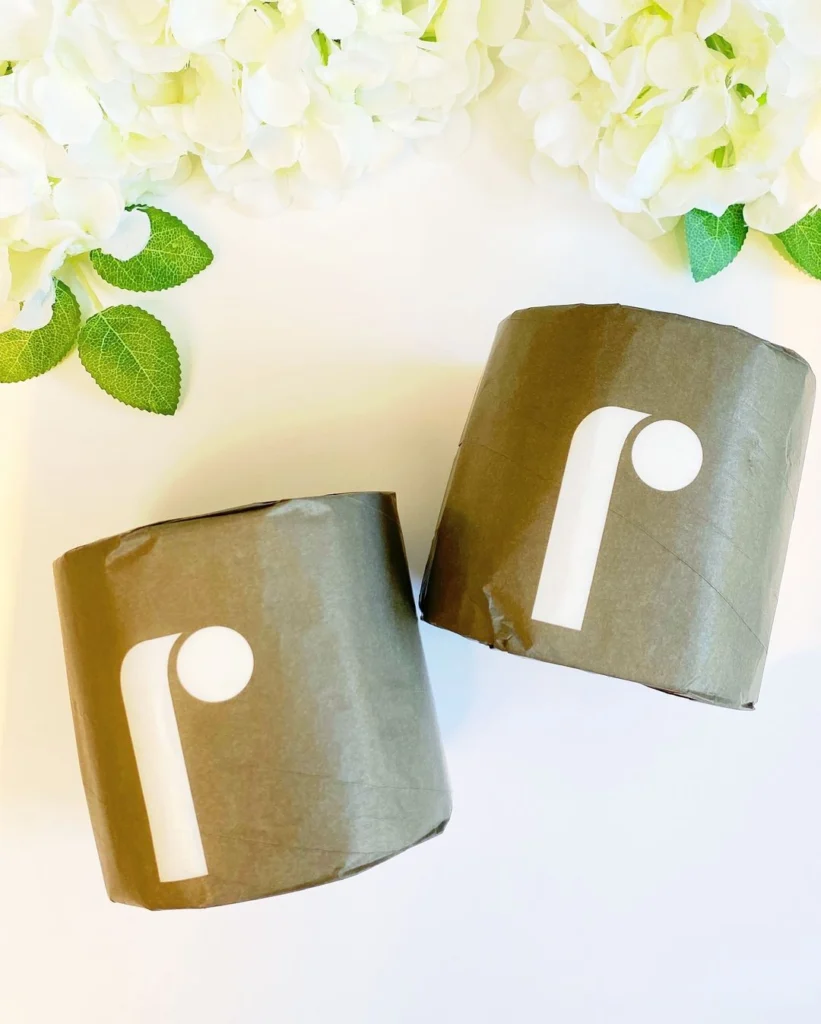
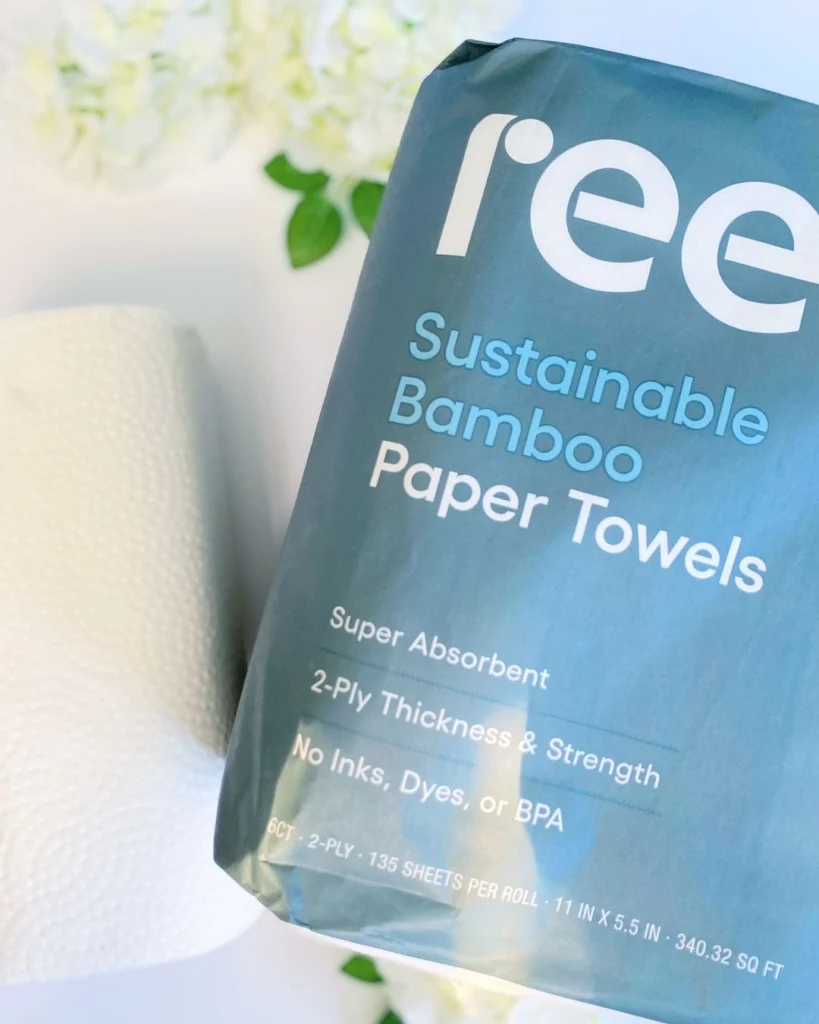
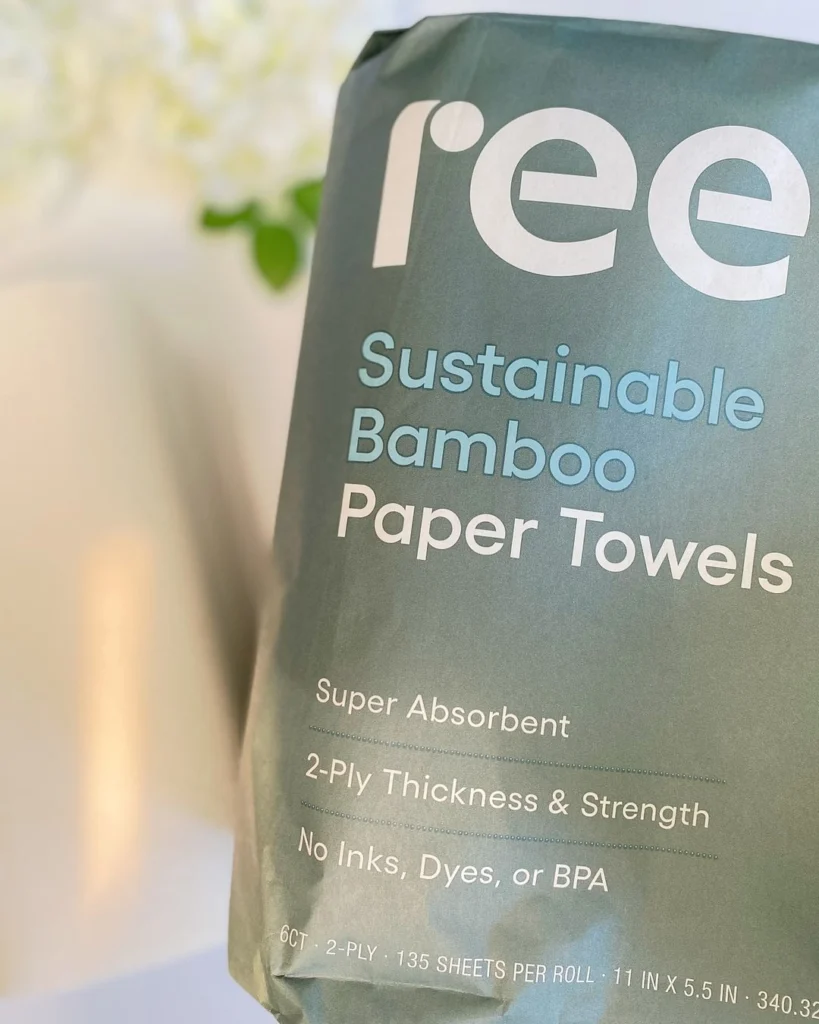
Reel Certified Toilet Paper
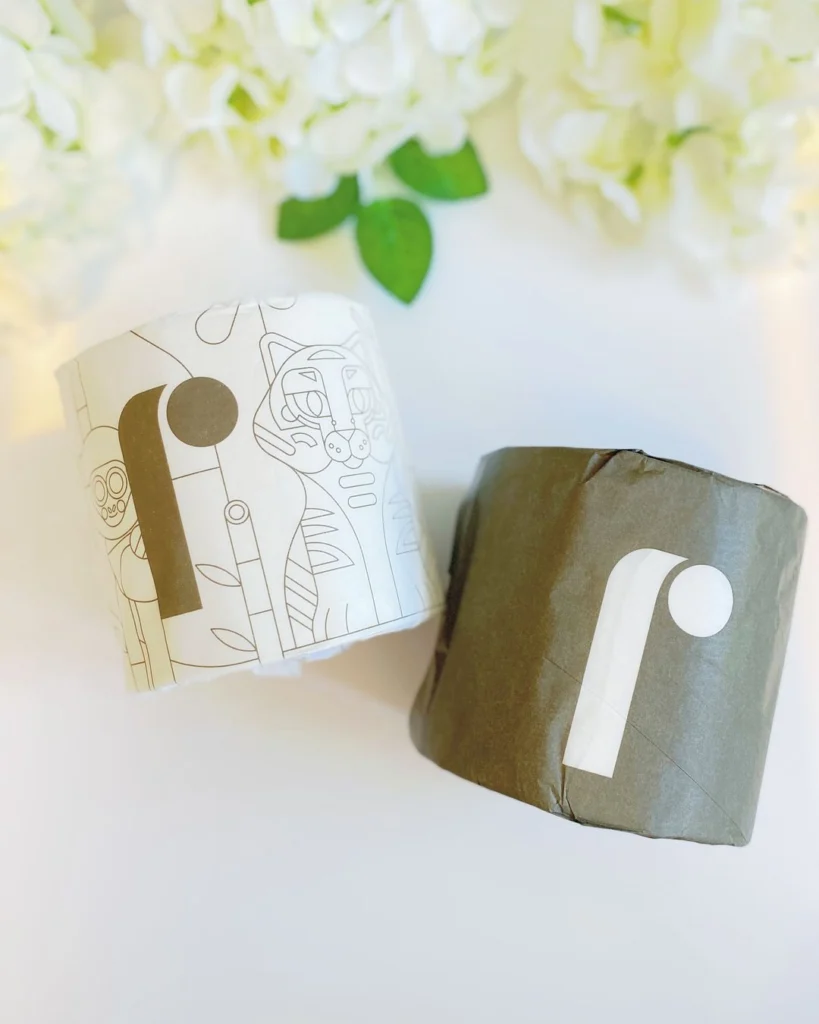
🌿Reel came out with tree-free 100% certified bamboo paper while other conventional brands are still cutting down thousands of trees daily to make toilet paper.
💖 I am so excited to introduce you to this amazing sustainable company born with the mission of saving forests by stopping the deforestation and helping restore forests around the world!
🎋Bamboo is more sustainable choice, is a grass, it regrows from the same roots when harvested and it absorbs large amount of greenhouse gases.
👉Reel use organic bamboo for their toilet paper, their kids toilet paper version and the paper towels.
This organic toilet paper is made with 100% FSC-Certified bamboo and it has been third party tested for PFAS and shows Non-detect organic fluorine
also made without inks, dyes, BPA and all plastic-free
It is a soft and gentle also for even the most sensitive bottoms. It is lint-free. Certified as ready biodegradable, it breaks down in septic or sewer systems.
Packaging: packaging and shipping materials are biodegradable. Made without Harsh Chemicals: Elemental chlorine free.
- ✅
 FSC-Certified Tree-Free
- ✅ PFAS-free: Non-detect organic fluorine
- ✅ Biodegradable Certified
- ✅ BPA-Free, Fragrance-Free, Chlorine Free
- ✅ Plastic-free
- ✅ B Corp certified
MATERIAL: 100% FSC Certified Bamboo. Packaging: Plastic-free🐠 🐙 🐢 GOOD option
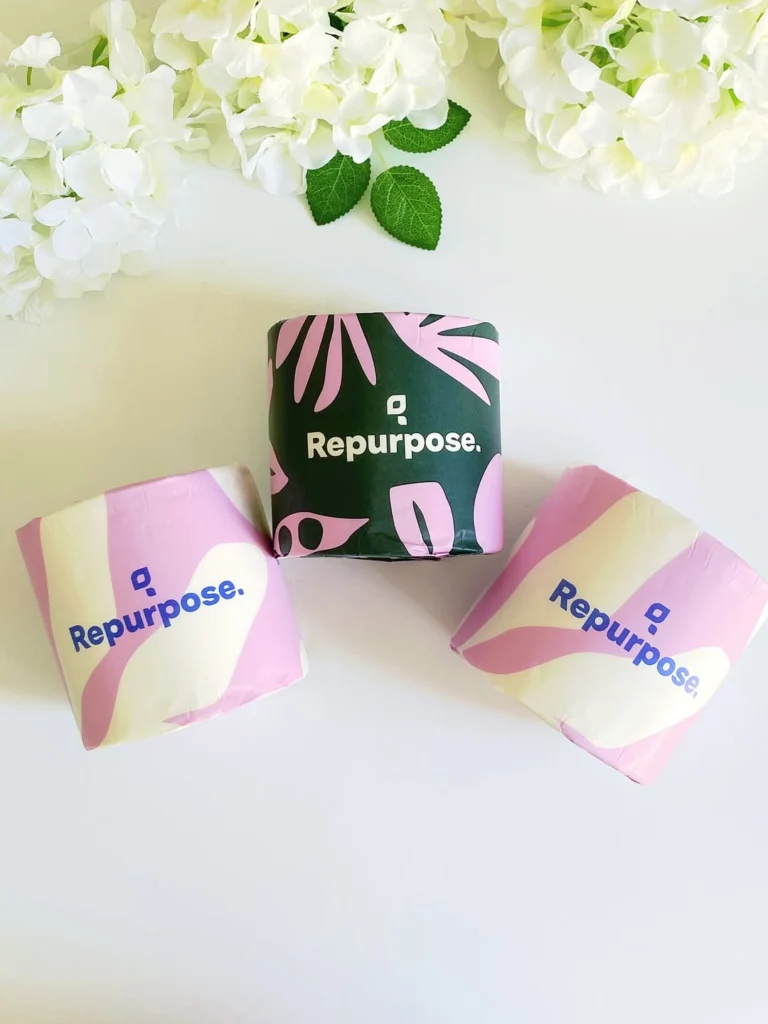
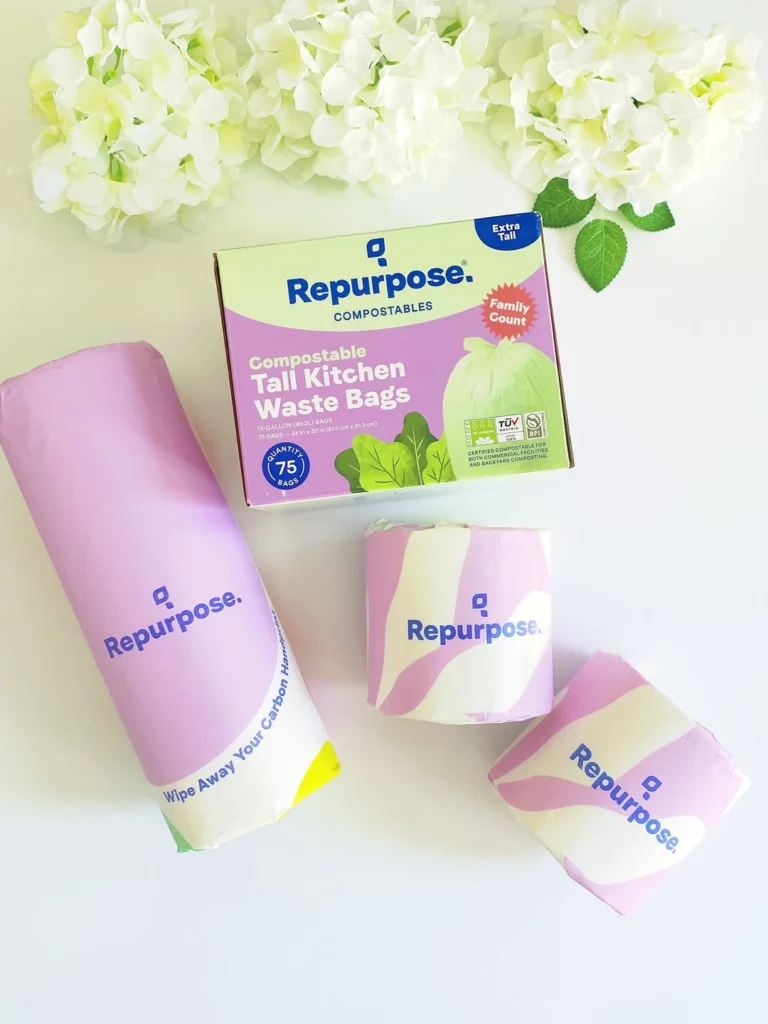
Repurpose Bamboo Toilet Paper
🌿Repurpose is one of my favorite plastic-free brands! And their Bamboo Paper is an approved!
🌿 This toilet paper is sustainably sourced made with 100% FSC-Certified Bamboo fibers, which is the best, safest, and most sustainable alternative to conventional toilet paper, which also reduces your carbon buttprint.
This sustainable, non-toxic Tree-free toilet paper is third party tested for PFAS: it shows non-detect organic fluorine
🌎 100% Zero Waste Paper Packaging, blanket wrap paper is made to be composted, free of ink or dyes.
- ✅ 100% FSC-Certified Bamboo
- ✅ ECF: elemental chlorine-free
- ✅ Hypo-allergenic
- ✅ No PFAS Added
- ✅ Renewable Materials
- ✅ Strong and Durable
- ✅ Recyclable packaging
- ✅ Naturally antibacterial, antifungal, and hypoallergenic
- ✅ Septic Safe, Fast Dissolving, and RV-friendly
- ✅ No Inks, Dyes, or Scents
- ✅ PFAS Free
- ✅ Plastic-free
- ✅ Zero-waste
MATERIAL: FSC Certified Bamboo, elemental chlorine-free🐠 🐙 🐢
GOOD: 100% FSC Certified Bamboo, plastic free, ECF.
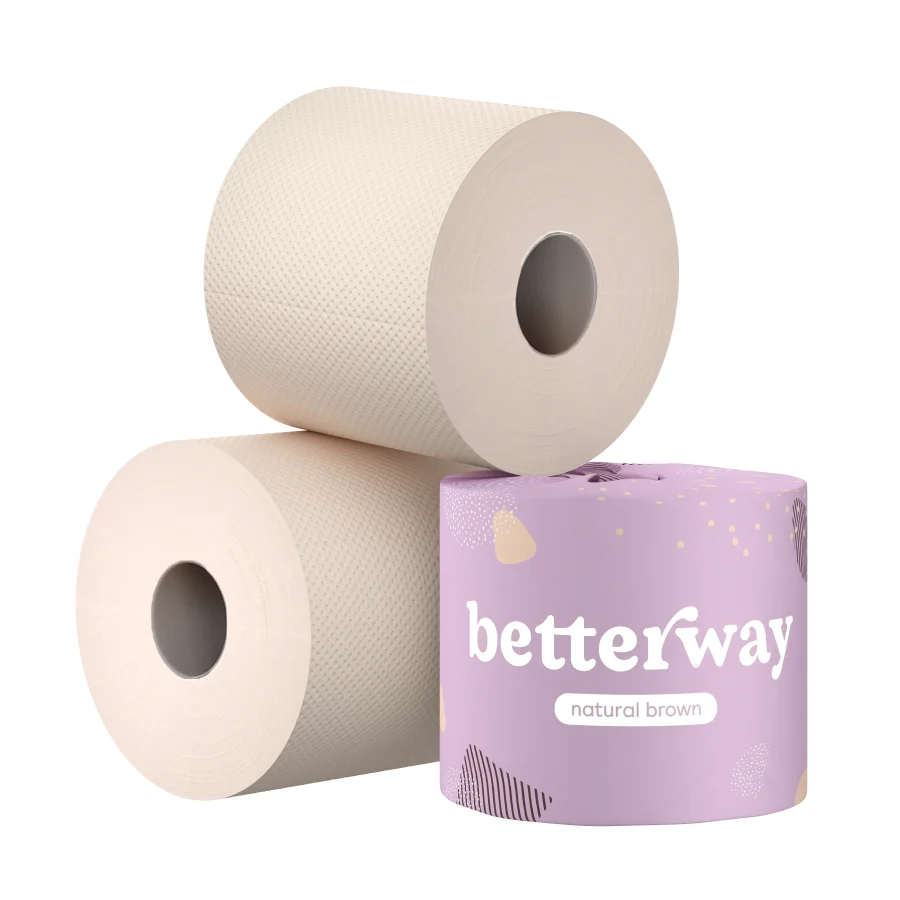
Betterway Toilet Paper PFAS-free
🍃Betterway Bamboo Toilet Paper
This sustainable toilet paper is made with 100% FSC® certified bamboo. Sustainably sourced, made by a small, woman-led, minority-owned brand.
SGS-tested, PFAS-free: All Betterway products are completely PFAS-free!! Their bamboo toilet paper has been independently tested by SGS, a world-leading inspection, verification, testing, and certification company. The test results confirm no detectable levels of organic fluorine, which means their products are free from PFAS (per- and polyfluoroalkyl substances).
FSC® Certified Bamboo: 100% renewable and sourced sustainably. It’s grown naturally without pesticides or fertilizers, processed without harsh chemicals, and shipped plastic-free.
Amfori BSCI partners: This organization certifies supply chains and working conditions to be fair, sustainable, safe, and transparent.
Pick their natural Brown roll version, which means they are unbleached and chemical-free, which is safer and better for the environment.
- ✅ FSC® certified
- ✅ SGS-tested: PFAS Free
- ✅ USA-certified biobased product
- ✅ Unbleached, Lint-free
- ✅ No inks, dyes, or scents
- ✅ BPA-free & hypoallergenic
- ✅ Plastic-free
- ✅ Zero Waste
MATERIAL: 100% FSC® certified bamboo. 100% plastic-free packaging. GREAT: It is doing everything right!
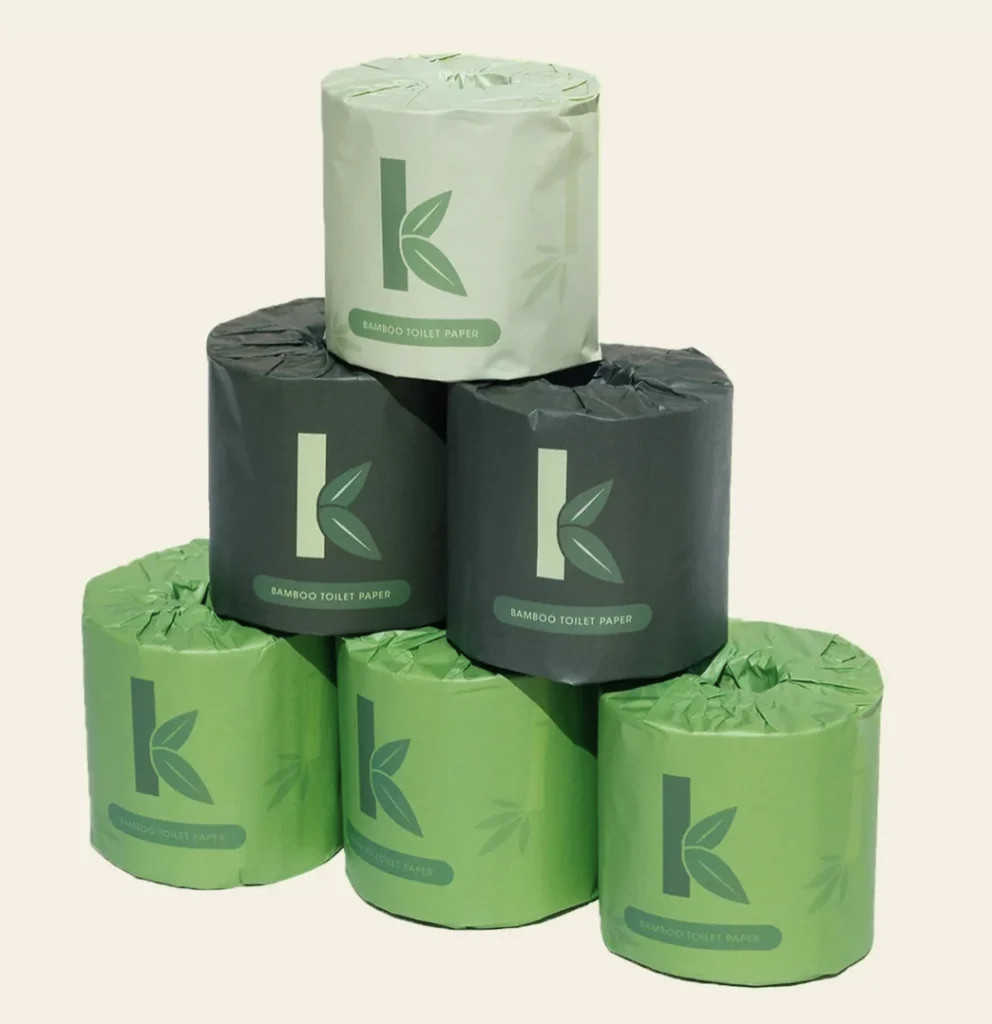
Seek Bamboo Organic Toilet Paper
🍃Seek Bamboo Organic Bamboo Toilet Paper is made with pure bamboo, which is naturally antibacterial, antifungal, & hypoallergenic.
This sustainable toilet paper is made with 100% FSC® certified bamboo. Sustainably sourced, the way it’s meant to be. Layered 3-ply, 300 sheets per roll.
Chemical-free: Free of BPA, PFAS, chlorine, dyes, & fragrances. Made with no inks, dyes, or scents.
FSC® Certified Bamboo: 100% renewable and sourced sustainably.
Zero-Waste Shipping: Plastic-free packaging is shipped free anywhere in the contiguous U.S., helping reduce waste one roll at a time.
- ✅ FSC® certified
- ✅ Unbleached
- ✅ Septic Safe
- ✅ Free of BPA, PFAS, chlorine, dyes, & fragrances
- ✅ Plastic Free
- ✅ Zero Waste
MATERIAL: 100% FSC® certified bamboo. 100% plastic-free packaging. GREAT: It is doing everything right!
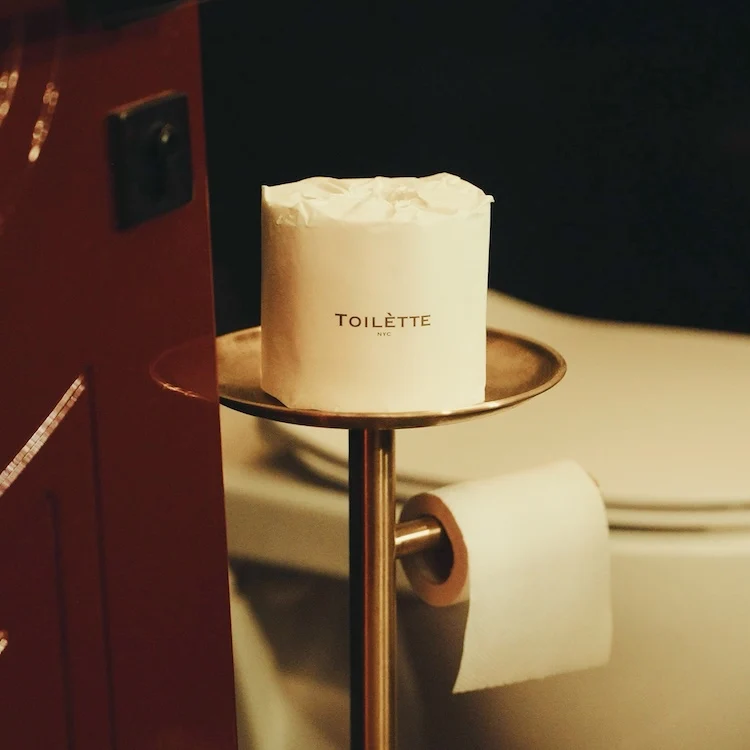
Toilètte Organic Toilet Paper
🍃Toilètte makes luxury organic toilet paper from 100% FSC-certified bamboo, which is grown without pesticides, is softer than conventional toilet paper, and is free from the chemicals found in conventional brands.
It is tree-free, lab-tested, and 100% free of PFAS, formaldehyde, and elemental chlorine.
Individually wrapped by hand.
FSC® Certified Bamboo: 100% renewable and sourced sustainably.
Chemical-free: Lab-tested and 100% free of PFAS, formaldehyde, and elemental chlorine
Zero-Waste: biodegradable, sustainable, and plastic-free.
- ✅ FSC® certified bamboo
- ✅ Lab-tested and 100% free of PFAS, formaldehyde, and elemental chlorine
- ✅ 100% free of PFAS, formaldehyde, and elemental chlorine
- ✅ Lab-tested
- ✅ (ECF) elemental chlorine-free process
- ✅ Plastic-free
- ✅ Zero Waste
MATERIAL: 100% FSC® certified bamboo. 100% plastic-free packaging.
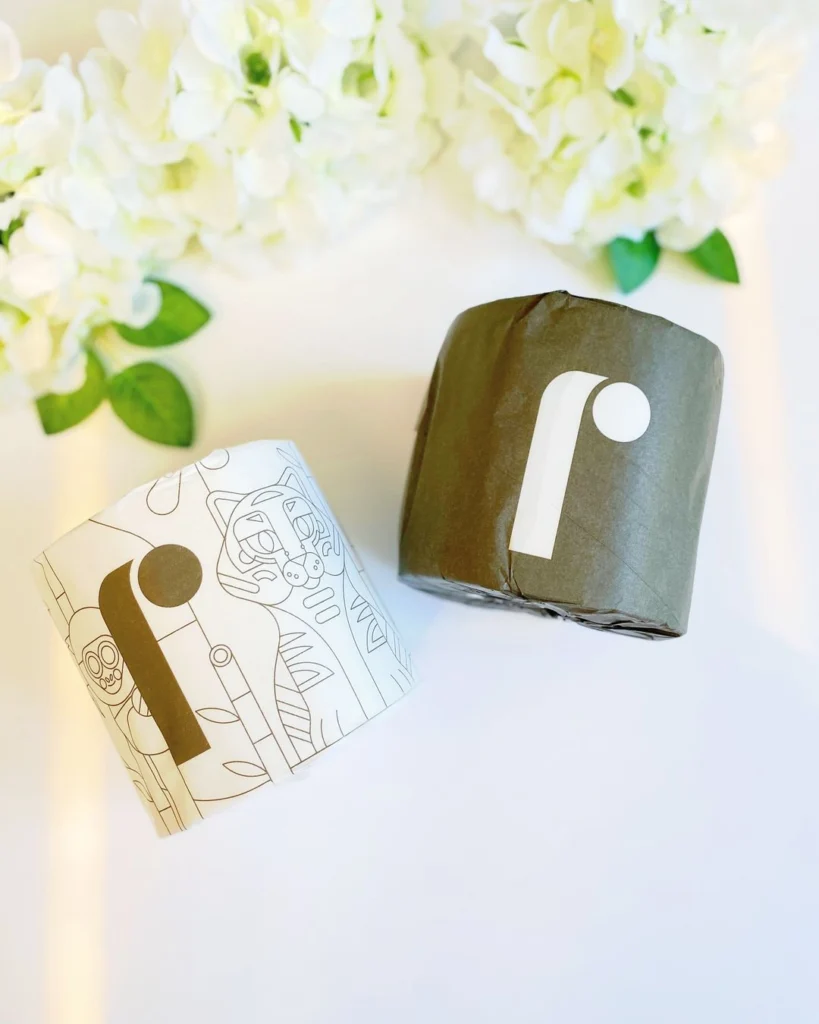
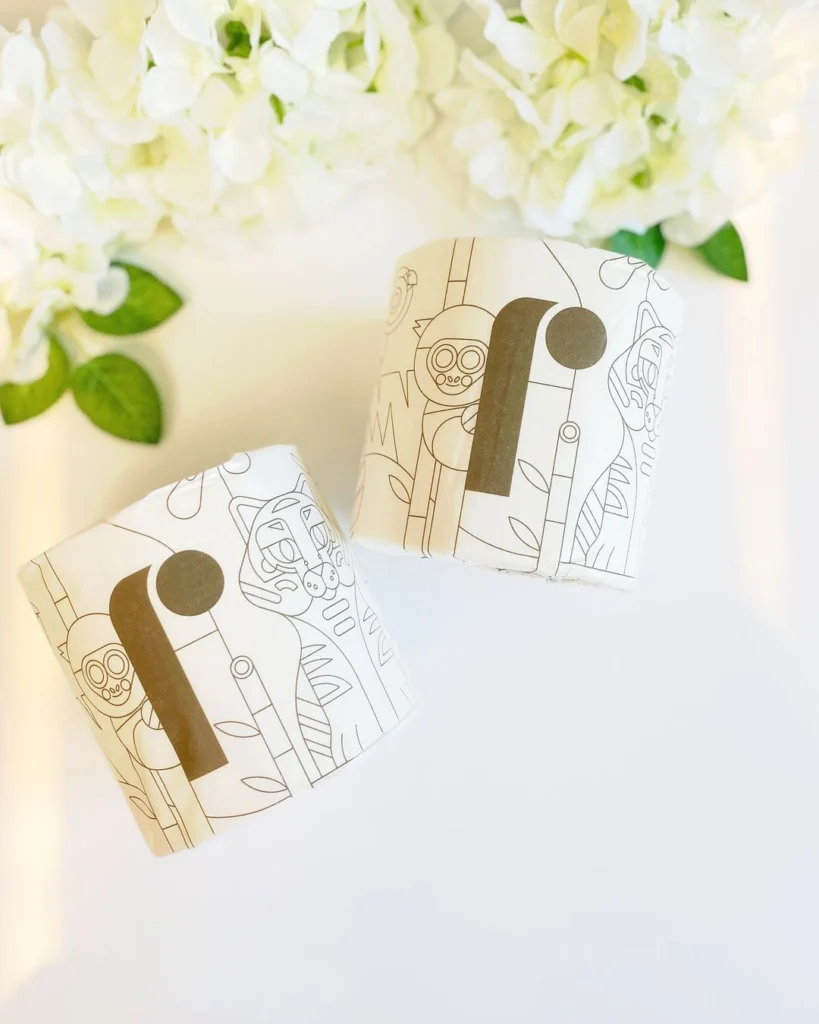
Reel 100% Bamboo Toilet Paper for Kids
🌿Reel is the first brand to make safer and sustainable 100% Bamboo Toilet Paper for Kids.
💖 I am so excited to introduce you to this amazing sustainable company with the mission to save our forests both by stopping deforestation and helping restore forests around the world.
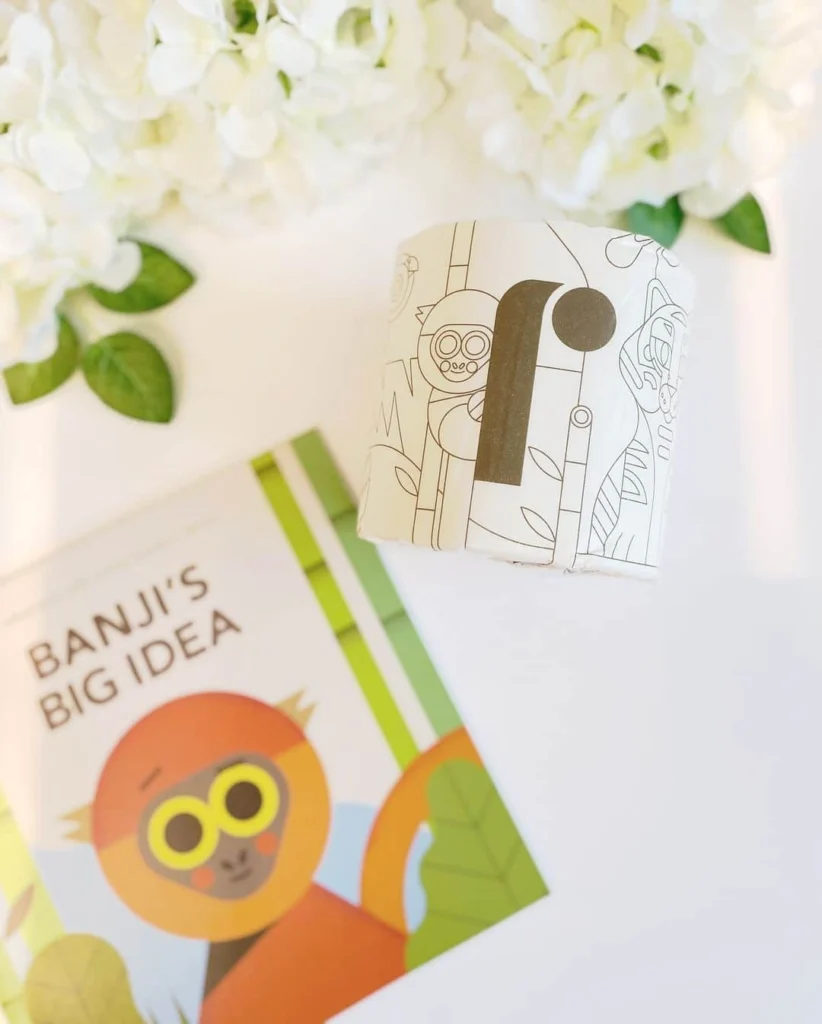
First ever, limited-edition toilet paper box. Included in this fun, kid-friendly box of 100% bamboo toilet paper is their very own storybook adventure that follows Banji the Bamboo Lemur on his search for some toilet paper. Join Banji and his friends on a journey of discovery in the rainforest and help them find the perfect, sustainable solution - bamboo!
🌎Reel Toilet Paper is made with tree-free, 100% bamboo paper.
A soft, gentle wipe for even the most sensitive bottoms. It is lint-free, so it cleans with none of the paper bits left behind.
✅ Biodegradable: Certified as ready biodegradable, it breaks down in septic or sewer systems.
Made without Harsh Chemicals: No inks, dyes, or BPA. Elemental chlorine free.
- ✅FSC-Certified
- ✅ Tree-Free
- ✅ Biodegradable and sustainable
- ✅ Plastic-Free, BPA-Free, Fragrance-Free, Chlorine Free
- ✅ No inks or dyes
- ✅ B Corp certified
MATERIAL: 100% FSC Certified Bamboo. Packaging: Plastic-free🐠 🐙 🐢
GOOD: 100% FSC Certified Bamboo, plastic free, ECF.
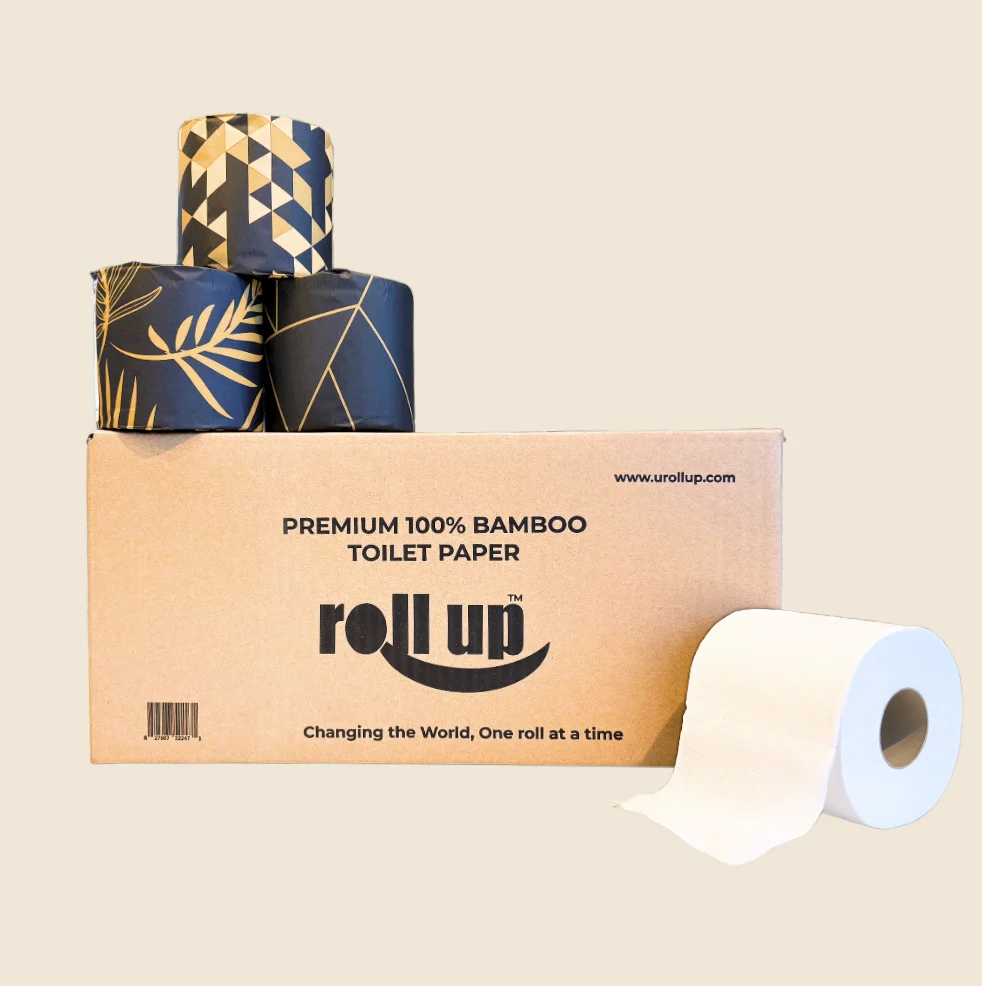
Roll Up Canadian Organic Toilet Paper
🌿Roll Up is a Canadian Certified Toilet Paper brand. A proudly Canadian-owned and operated company since 2020. Our head office and fulfillment facility are located in Toronto, Ontario 🍁
They offer FSC-certified Bamboo Toilet Paper, Bamboo Facial Tissue, and Bamboo Paper Towels.
🌎 This toilet paper is crafted from bamboo fibers, which are softer, more delicate paper that breaks down and disintegrates rapidly when exposed to water and making it naturally the softest toilet paper out there.
Each roll is protected with a wrapper made from recycled materials.
- FSC (Forest Stewardship Council) certified bamboo
- Plant-based material
- ECF (Elemental Chlorine Free)
- Wrapped and unwrapped options
- 🇨🇦 Canadian Brand
MATERIAL: 100% FSC (Forest Stewardship Council) certified bamboo
GOOD: It is actually processed in Canada 🐠 🐙 🐢
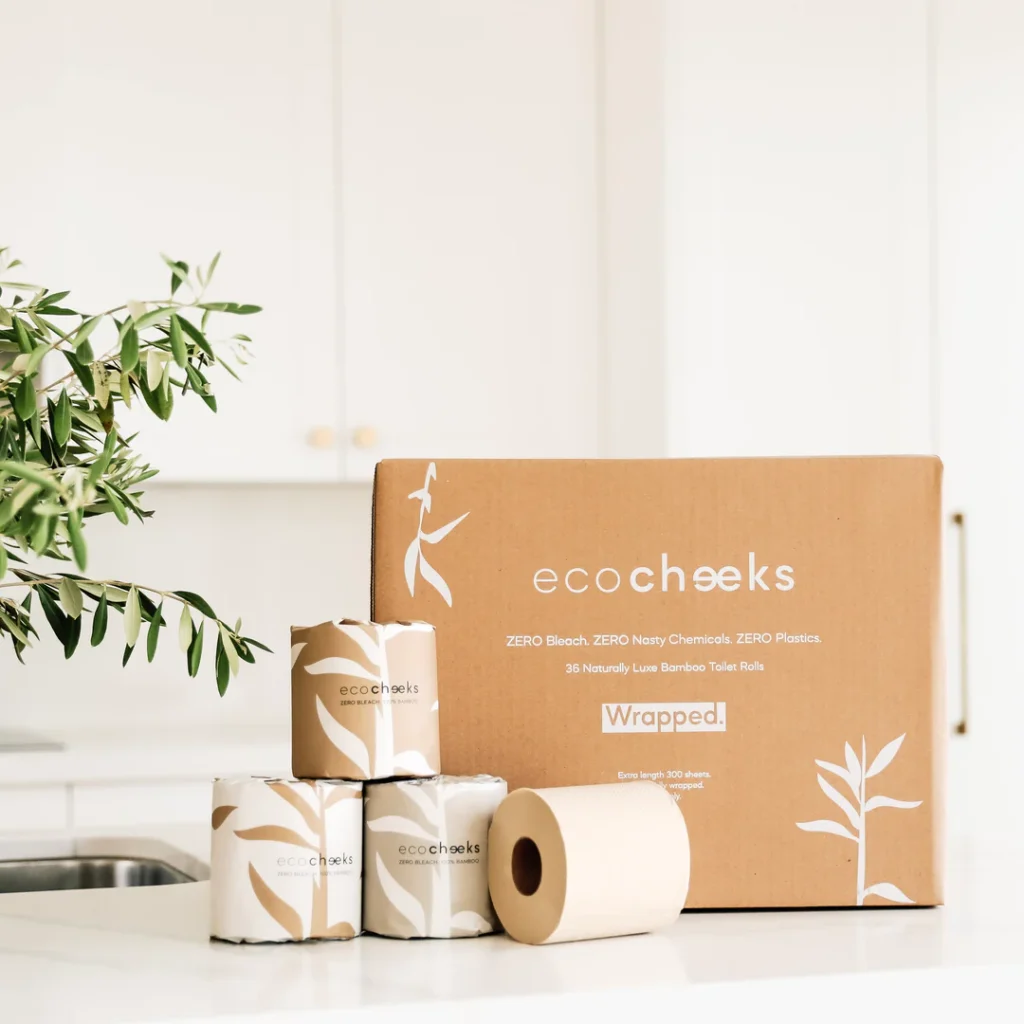
Eco Cheeks Certified Organic Toilet Paper
Eco Cheeks is doing everything right! 💖 I am so excited to introduce you to this amazing sustainable company that eliminates the total use of bleaching agent (AKA chlorine) and any other irritating, toxic chemicals or contaminants such as PFAS, like formaldehyde, fragrance, and BPA.
🌎 This sustainable toilet paper is made with FSC-certified bamboo, and it is independently tested by the Australian Government lab, Department of Industry, Science, and Resources. No traces of PFAS were detected.
Certifications (ISO9001, ISO14001, BSCI, and international forest certification)
- ✅ Unbleached, which means ZERO bleach and chlorine, and Totally Chlorine-free.
- ✅ PFAS-free: tested by the Australian Government lab
- FSC (Forest Stewardship Council) certified bamboo
- ✅ Certified to ISO Standards
- ✅ ZERO plastic in manufacturing and packaging.
- ✅ Wrapping paper is also FSC, and soybean ink is used for the printing.
- ✅ Unwrapped rolls available: naked rolls, for less waste
- ✅ Australian Brand
MATERIAL: 100% FSC (Forest Stewardship Council) certified bamboo
GREAT: Eco Cheeks is doing everything right. 🐠 🐙 🐢
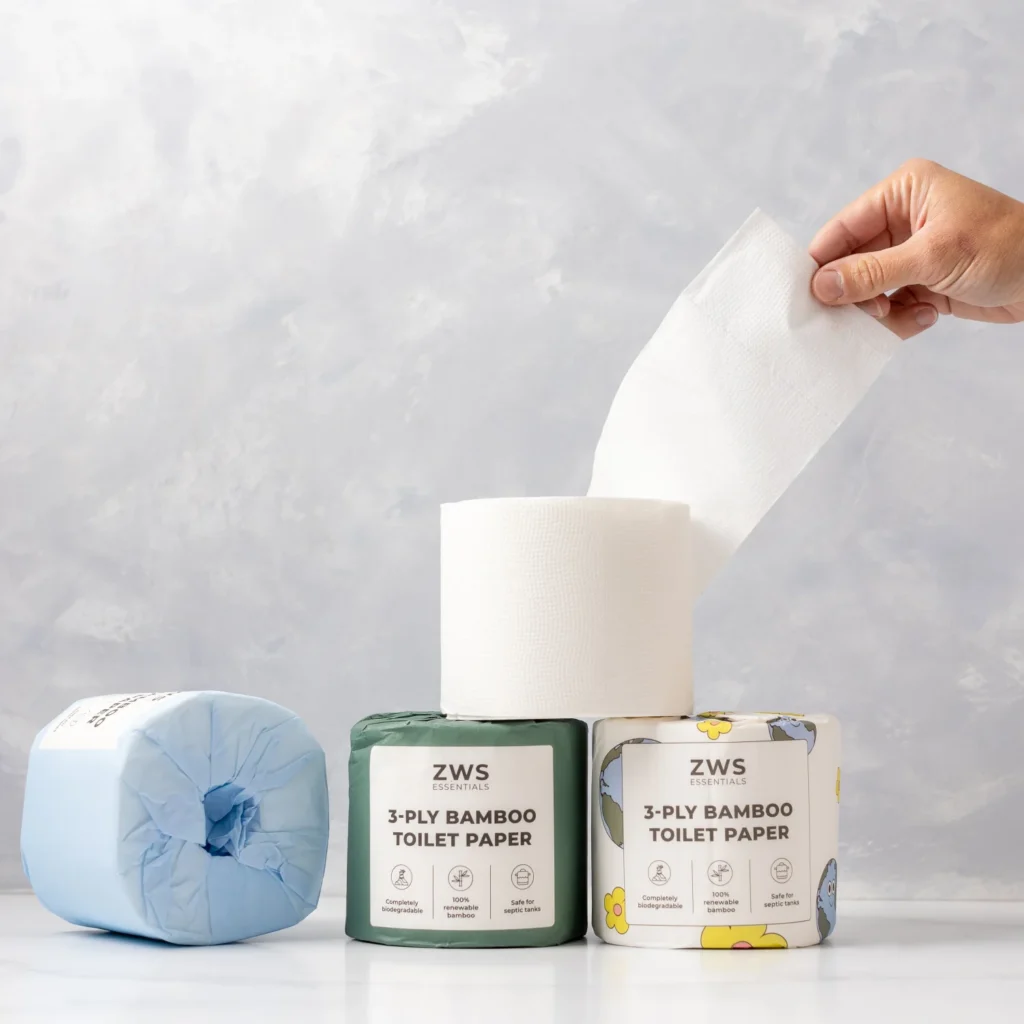
ZeroWasteStore Bamboo Toilet Paper
🌿 ZeroWasteStore Bamboo Toilet Paper is soft, strong, and sustainable.
💖 This organic bamboo toilet paper is made from 100% renewable bamboo and designed to give you way more sheets (and value) than the average TP brand.
It is wrapped in plastic-free, planet-friendly packaging. Better for your bum, better for the planet.
Made with Bamboo Sourced from small family farmers
It is the most sustainable option since it is a fast-growing, carbon-neutral, and with a unique fiber composition.
🌎 27,000 trees are cut down to make everyday toilet paper. These rolls are crafted entirely from 100% bamboo fibers, helping to protect our forests.
A softer, stronger, and more sustainable roll that your bum (and the Earth) will thank you.
- ✅ 100% renewable bamboo
- ✅ Bleach-free
- ✅ Sourced from small family farmers
- ✅ Plastic-free packaging and shipping materials are biodegradable.
MATERIAL: 100% renewable bamboo. Packaging: Plastic-free.
🐠 🐙 🐢 GOOD option
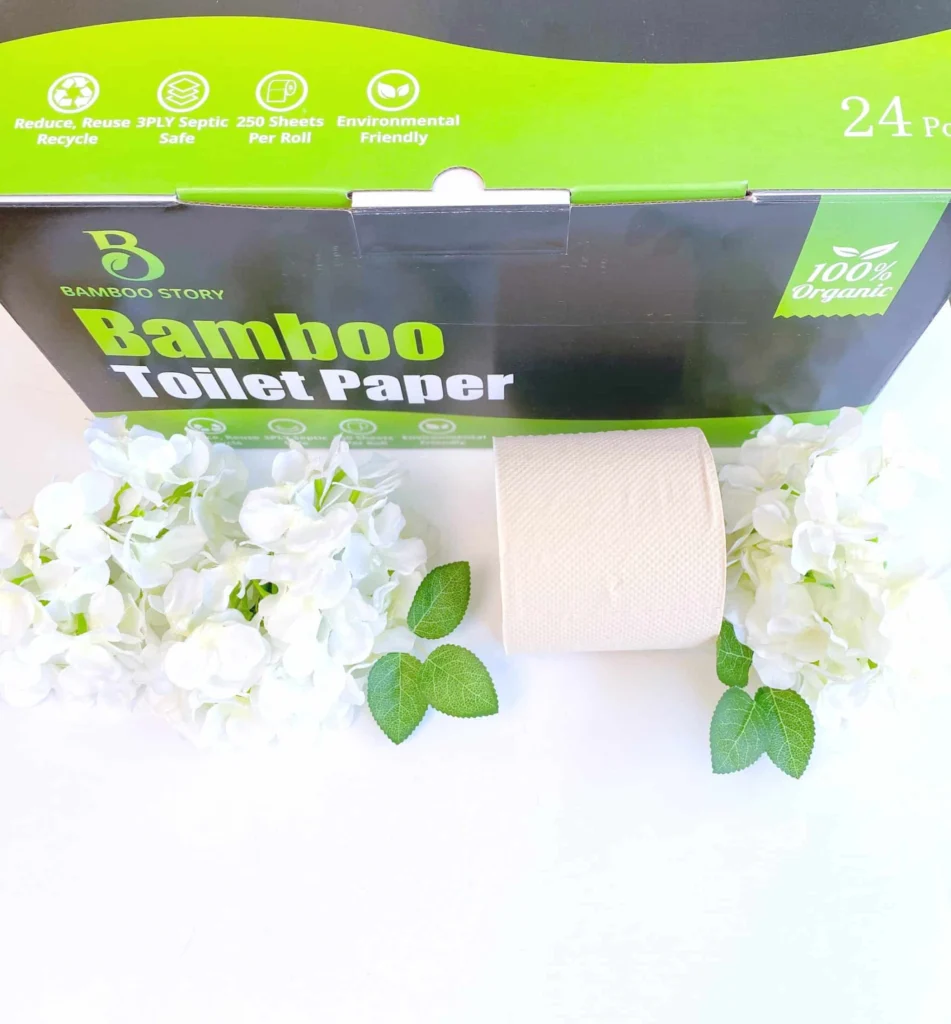
Bamboo Story 100% Unbleached Premium
💖 100% Bamboo FSC CERTIFIED UNBLEACHED Bamboo Toilet Paper. Free of formaldehyde, and free of hydrogen peroxide. Hypoallergenic, no chlorine, BPA-free, fragrance-free, paraben-free, non-GMO, and chemical-free.
-
🍃TREE FREE Eco Toilet Paper is made from a sustainable, fastest-growing alternative to traditional tree-based bathroom toilet paper. Eco-friendly, biodegradable, and hypoallergenic for all sensitive skin types, including eczema and atopy dermatitis.
-
🍃BLANKET WRAPPED ROLLS to reduce paper waste. PREMIUM BAMBOO Toilet Paper, 3 PLY sheets for extra strength, and extra absorption.
-
🌎 100% PLASTIC FREE Packaging, Box made to be recycled with minimum effort, and blanket wrap paper is made to be composted, free of ink or dyes.
MATERIAL: FSC Certified Bamboo, unbleached, paper bob🐠 🐙 🐢
GREAT: 100% FSC Certified bamboo, Plastic-free, Unbleached
I tried it, and it is very soft
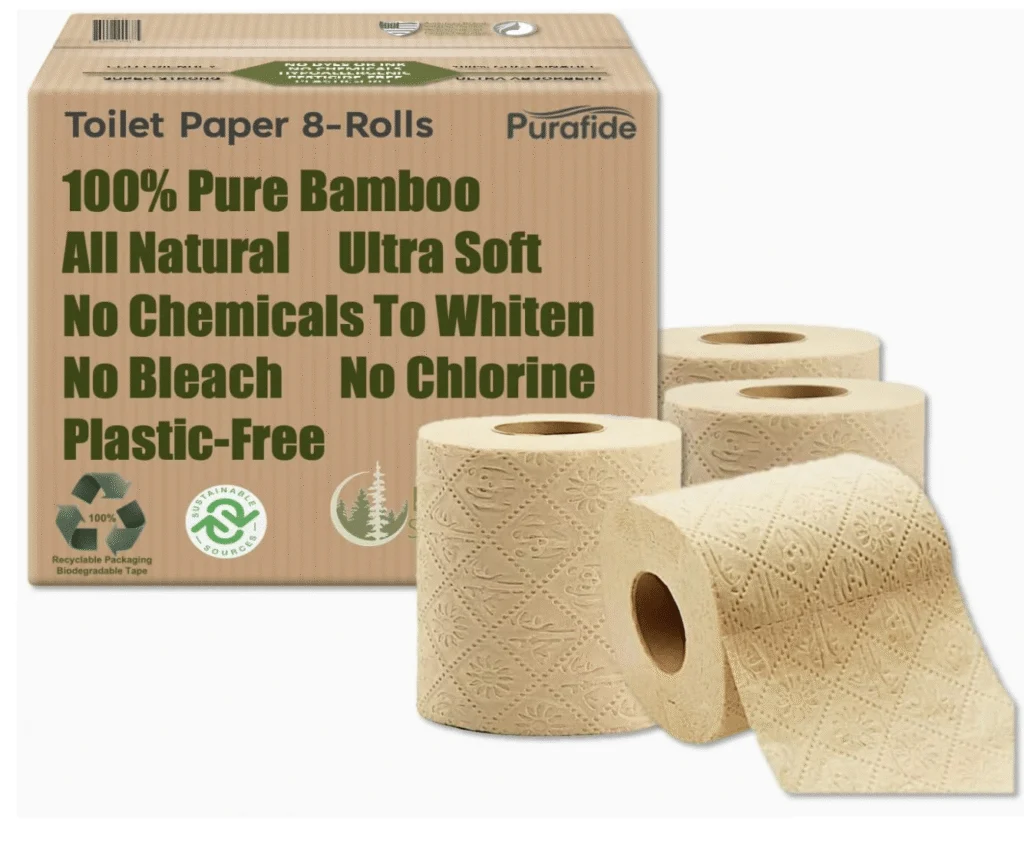
Purafide Natural Bamboo Toilet Paper
💖Purafide 100% Pure is an all-natural Bamboo Toilet Paper luxurious 3-ply paper made from 100% bamboo, giving you a soft, strong, and sustainable option for your everyday needs.
With no toxic chemicals, bleach, or chlorine used, gentle on your skin and the environment.
🍃BPA-free and FSA-certified Bamboo Toilet Paper!
-
FSA-Certified & BPA-Free
-
Naturally hypoallergenic and septic-safe
-
10x stronger than your typical toilet paper
-
No toxic chemicals used to whiten!
-
3-ply tissue made with 16 GSM sheets
-
Highly effective at preventing the spread of germs
-
100% sustainable & recyclable packaging
-
Pack of 8, 16 and 24 Large Rolls
MATERIAL: FSA-Certified bamboo, unbleached
GREAT: 100% FSC Certified bamboo, Plastic-free, Unbleached

Caboo Toilet Paper
Caboo is accredited by the BRC Global Standards, FSC, ISO 14000. It is truly fragrance-free I tested it!
🍃This sustainable toilet paper is made FSC®Certified bamboo
This tree-free bath tissue is septic systems safe.
Caboo Bamboo Toilet Paper has been recently independently tested for PFAS and it shows: non-detect organic fluorine
i just wished they offered all plastic packaging and Unbleached toilet paper options, because unbleached is better, means not wasteful bleaching process involved which requires chlorine
Elemental Chlorine Free (ECF) does involve chlorine.
ECF processes avoid elemental chlorine gas (Cl₂), the highly toxic form historically used in bleaching, but they use chlorine dioxide (ClO₂) instead. Chlorine dioxide is a chlorine-based compound that bleaches wood pulp more safely, producing far fewer harmful dioxins than elemental chlorine. But is still prefer avoiding that.
- ✅ FSC® certified Bamboo
- ✅ PFAS-free
- ✅ Biodegradable
- ✅ Septic systems safe
- ✅ Panda friendly
MATERIAL: FSC®Certified bamboo


Bumboo Unwhitened Organic Bamboo Toilet Paper
🍃 Bumboo Unwhitened Organic Bamboo Toilet paper is made with a 3-ply toilet roll made from 100% FSC® certified bamboo. For every single square of tissue you buy from us, they will rewild double that area in nature. They conduct detailed fiber tests on every batch of their products.
FSC® certified: the bamboo pulp is sourced from managed forests that preserve biological diversity and support the lives of local people and workers.
PFA-free Certified: by TUV testing. This brand is not just claiming to be PFAS-free it is actually proving it!
🍃 Free from de-inking agents, formaldehyde, and BPA associated with the paper recycling process and elemental chlorine free. Free from pesticides and fertilizers, scents, dyes, and tissue dust
- ✅ FSC® certified
- ✅ PFAS-free certified by FIDRA
- ✅ Third Party Fibre Tested
- ✅ Vegan Certified
- ✅ B Corp
- ✅ UK Company
MATERIAL: 100% FSC® certified Unwhitened bamboo. 100% plastic-free packaging: FSC certified wraps paper, printed with soybean based inks. Their cartons are made from recycled paper and printed with soybean inks.
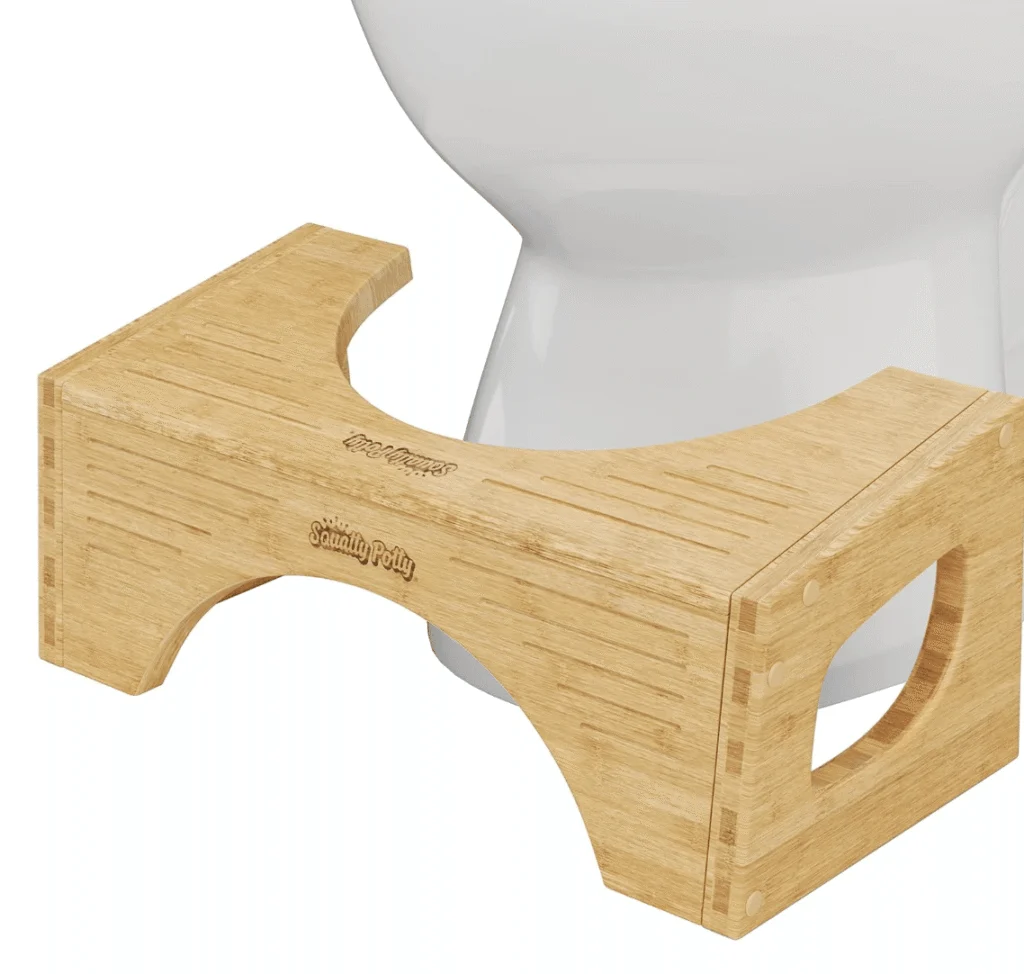
Squatty Potty The Original Toilet Stool
🍃One Stool, Two Heights
This versatile toilet stool can flip to 7” or 9” in height. Perfect for any toilet size. The Bamboo Flip Toilet Stool is made from natural bamboo. This makes it durable yet comfortable to use! Adding bamboo to your bathroom is a great way to create a warm, beautiful space.
Human bodies perform more efficiently if we squat when we poop, which will unkink your colon. Our toilet stools support your legs at the proper angle, which creates a squat (legs at the proper angle: 35°) while you sit comfortably on the toilet seat.
-
Sleek high-end design toilet stool that elevates the look and feel of your bathroom.
-
Fits discreetly in front of your toilet and seamlessly blends with your toilet… unlike those other stools.
-
Carefully crafted curvature to keep your feet comfy during your equally comfy sh*t.
-
Original: 9” H x 16.5” W x 9” L
Relaxed: 7.5” H x 16.5” W x 9” L
-
🐠 🐙 🐢
Not Recommended
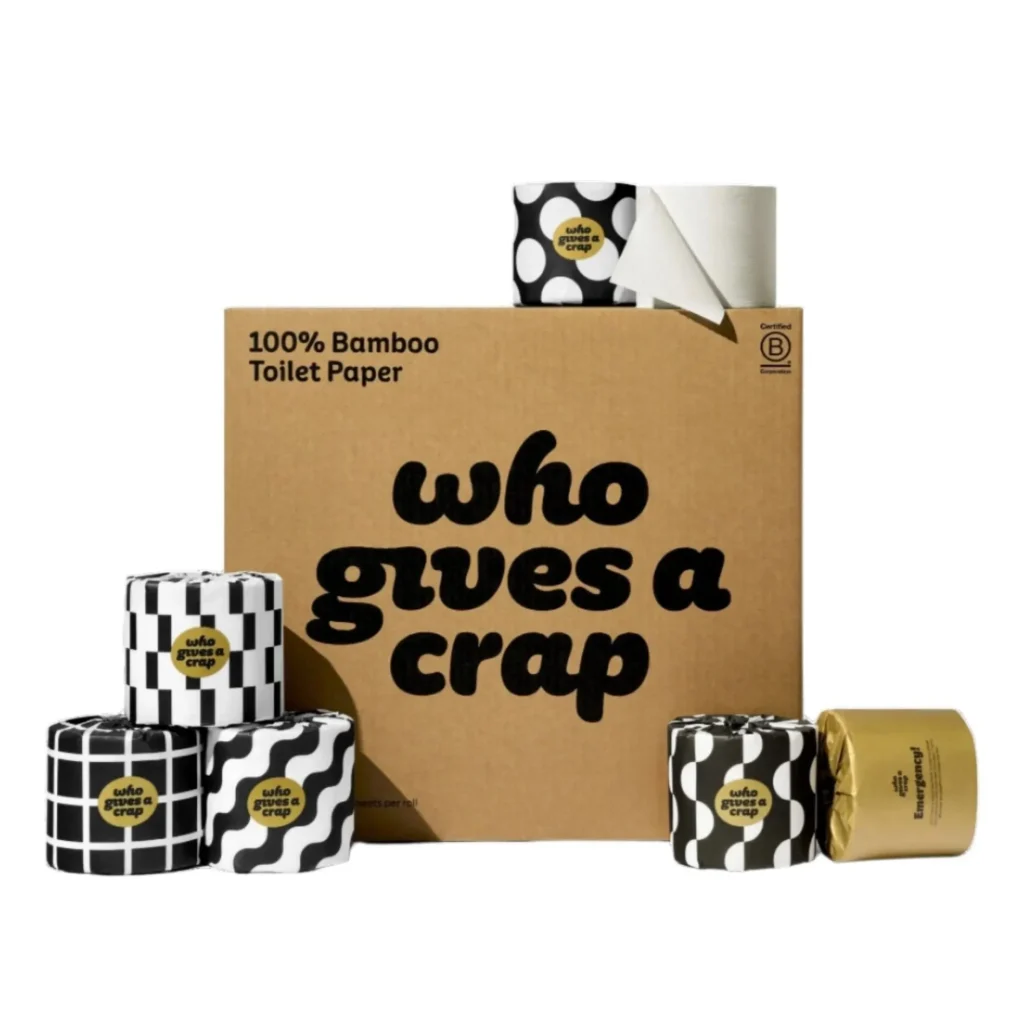
❌ Not Recommended: Who Gives a Crap Toilet Paper
Currently I don't recommend Who Gives a Crap Bamboo Toilet Paper as it has been tested recently and it has been found to contain PFAS:
- Who Gives a Crap Bamboo Toilet Paper — 11 parts per million (ppm) organic fluorine
Hopefully they will be addressing this soon.
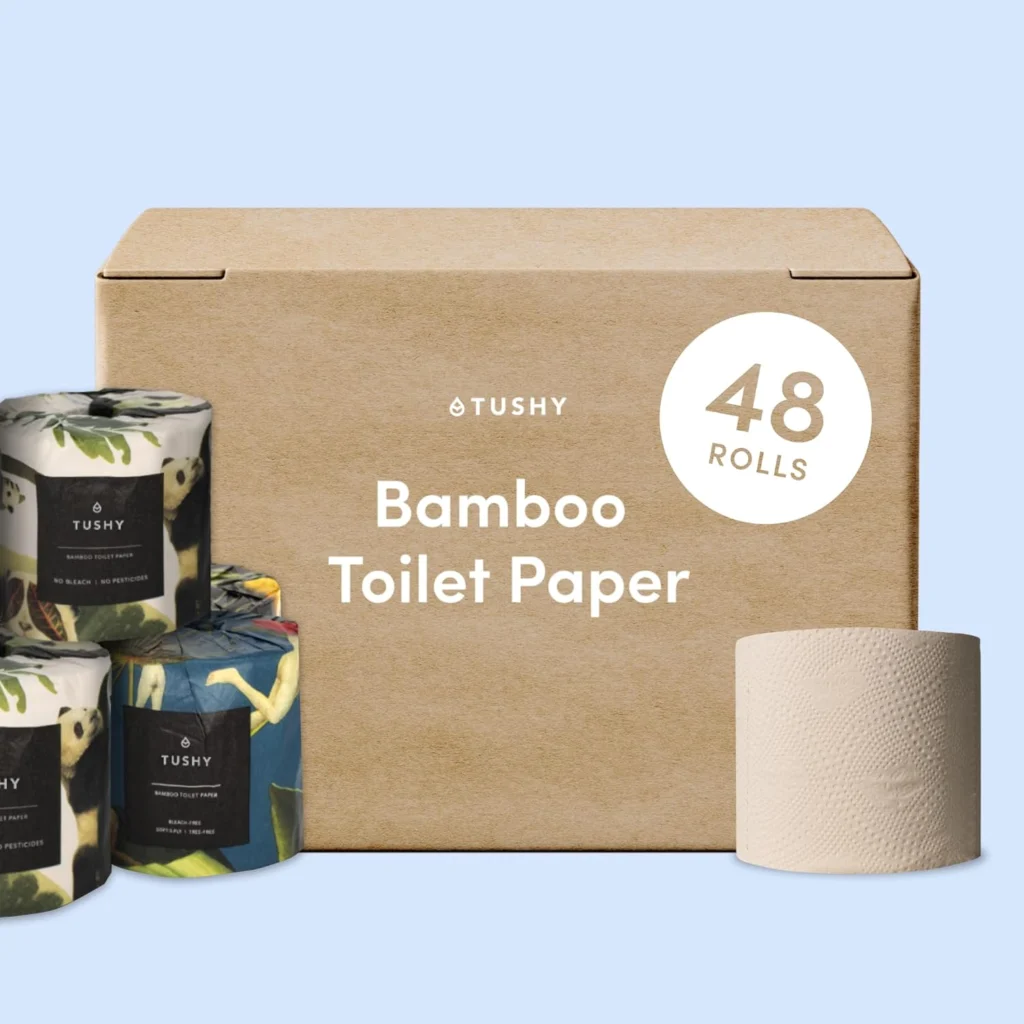
❌ Not Recommended: Tushy Toilet Paper
Currently, I don't recommend Tushy Bamboo Toilet Paper, as it was tested recently and was found to contain PFAS:
- Tushy Bamboo Toilet Paper — 10 parts per million (ppm) organic fluorine
Tushy is not FSC certified: FSC told me they are not certified, as they claim to be.
TUSHY has also stated in its own content that the product is in the process of being FSC certified, not fully certified yet.
Let's see!

❌ Not Recommended: NooTrees Toilet Paper
I don't recommend NooTrees Toilet Paper
GREAT PART: NooTrees 3-ply Bathroom Rolls are made with 100 percent bamboo pulp. Their bamboo products are 100% renewable and FSC certified. This means the source comes from certified mills and farms.
NOT SO GREAT: ECF. They confirmed to me in the chat that they use elemental chlorine.
The packaging is also plastic

❌ Not Recommended: Bim Bam Boo Toilet Paper
I don't recommend Bim Bam Boo Toilet Paper because it is ECF elemental chlorine free.
FSC Certified bamboo, organically grown and harvested in China.
Bim Bam Boo tissue is made with a proprietary blend of bamboo pulp and water, naturally-derived conditioners (to improve softness and strength), hydrogen-peroxide, and pectin-derived gelatin. It DOES NOT contain methylisothiazolinone or benzisothiazolinone.

❌ Not Recommended: Bippy Toilet Paper
I don't recommend Bippy Toilet Paper because uses ECF technology.
Good part: third-party certifications like FSC, ISO, BSCI, and toilet paper contains no inks, dyes, or fragrances. The outer packaging (recycled wrappers and kraft boxes) does contain water-based inks.
FSC-certified bamboo farms in China where bamboo.
Plastic-free rolls: Instead they are wrapped in FSC-certified.
Not so good: ECF (Elemental Chlorine Free) technology to whiten our rolls. It includes hydrogen peroxide as the primary compound but also includes oxygen and chlorine dioxide.

❌ Not Recommended: Rebel Green Tree Free Toilet Tissue
I don't recommend Rebel Green - Tree Free Toilet Tissue
I wish they didn't use plastic packaging.
GOOD/NOT SO GREAT: plastic packaging
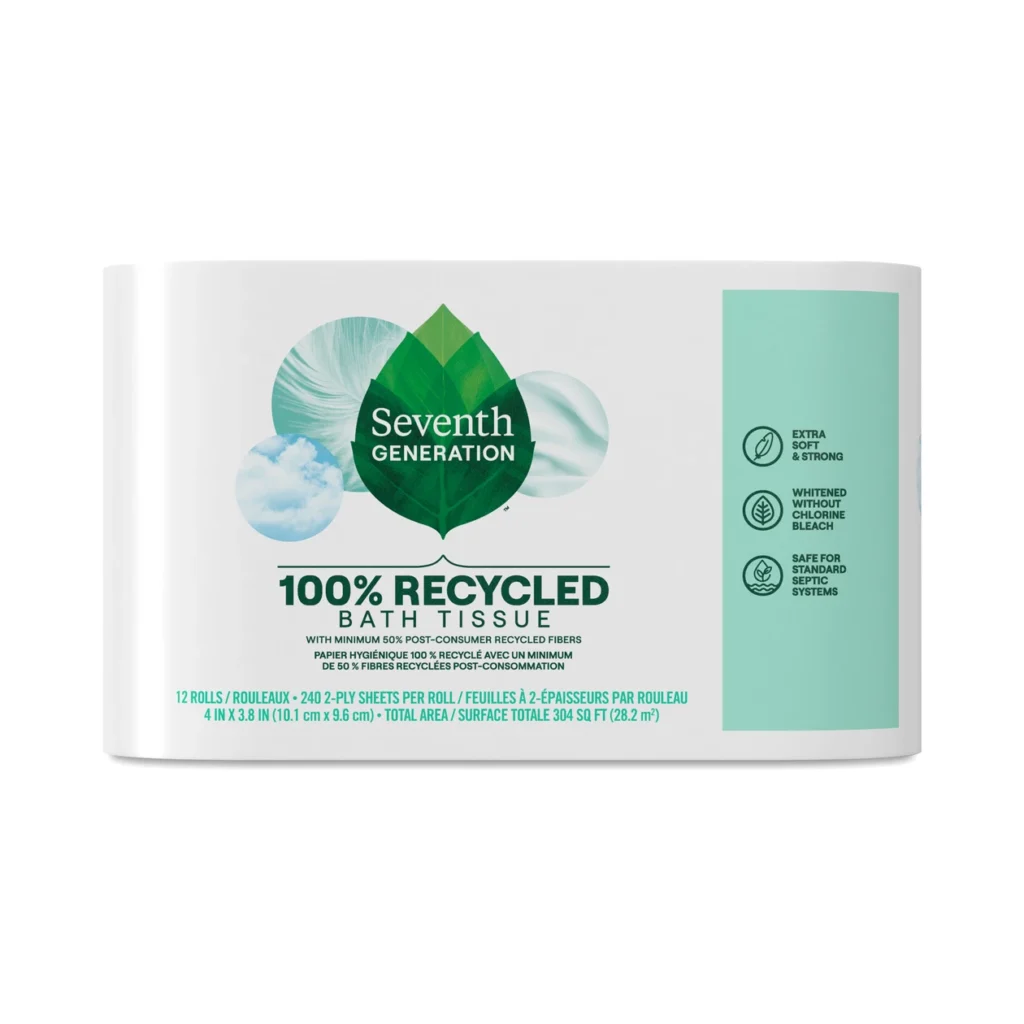
❌ Not Recommended: Seventh Generation 100% Recycled Bath Tissue
Currently I don't recommend Seventh Generation 100% Recycled Bath Tissue as it has been tested recently and it has been found to contain PFAS:
- Seventh Generation 100% Recycled Bath Tissue — 35 parts per million (ppm) organic fluorine
Plus it is greenwashing: Seventh Generation was bought by Unilever in 2016. Unilever is one of the largest corporations in the world. Unilever sells approximately 1,700 plastic sachets per second, amounting to an estimated 53 billion sachets in 2023. Unilever has faced significant scrutiny over allegations of greenwashing.
They claim to be “eco-friendly” and “safe” when they are owned by Unilever, which owns other toxic and polluting brands such as Axe and Dove, responsible for creating toxic rivers and for polluting communities in countries like India, Indonesia, and the Philippines.
Unilever is responsible for toxic mercury contamination; it is one of the top ten global plastic polluters (by BreakFreeFromPlastic), promoted toxic (and racist) skin lighteners, and participated in violence against striking workers.

❌ Not Recommended: Emerald Tree Free Toilet Paper
I don't recommend Emerald Tree Free Toilet Paper
Emerald™ Tree-Free™ products are transforming agricultural waste and barren land into new revenue streams. Many farmers leave their waste to decompose or are forced to burn and discard the dry pulp residue after it is extracted from their crops. Burning and wasting this valuable material takes time and energy away from farmers and causes local air pollution to increase within the community.
MATERIAL: 50% FSC bamboo and 50% biopreferred agricultural waste.
It is a great idea; we just don't know if the renewable resources were organic or conventional, which means potential pesticides.
NOT SO GREAT: potential pesticides
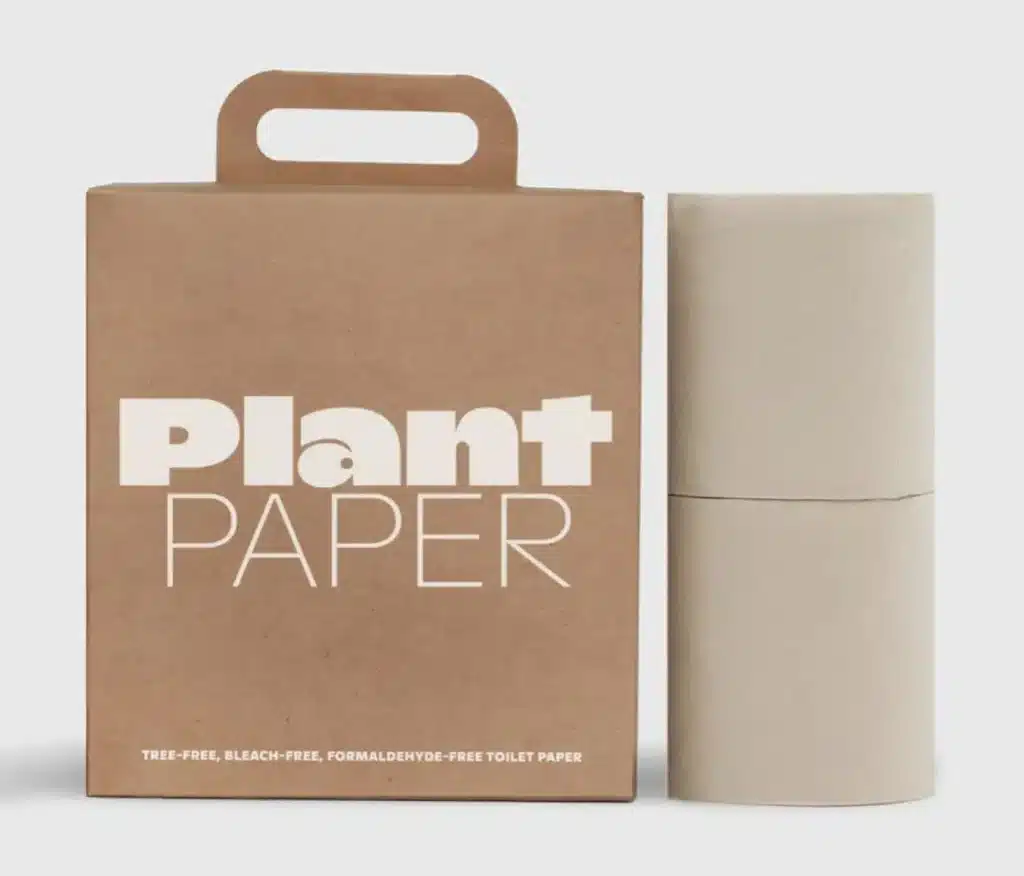
❌ Not Recommended: PlantPaper toilet paper
I don't recommend PlantPaper since they are not responsive as a brand or transparent in their communication. For this reason, I can't trust them or recommend their products.
Also, their products are not like they describe:
This is a review from someone using PlantPaper: "I placed a large order with them of toilet paper and face tissue. It was absolutely awful! So scratchy and irritating to the skin. Tore up my nose after blowing my nose twice. "