Kids Wear

🍃Do you know that conventional cotton is considered the dirtiest crop in the world? It is responsible for 16% of insecticides and 7% of pesticides on the planet! 🙈
While there are those who keep intoxicating us and the polluting world, it is up to us to not feed this unsustainable system.
Conventional Kids Wear
Avoid conventional kid clothing made with petroleum-derived material or conventional cotton.
- ❌ Synthetic clothing: made of polyester, nylon, acrylic, spandex, rayon, or polyamide. This clothing is not only toxic for you but also releases 9MILLION plastic microfibers into the ocean every time we wash it. They make up 35% of the primary microplastics found in the oceans!
- ❌ Conventional Cotton: Avoid conventional cotton of any kind. Any cotton brand without the Organic Certification seal is considered conventional = toxic. Cotton is considered the world’s dirtiest crop due to its heavy use of pesticides. Conventional cotton requires farmers to purchase seeds every year from AG chemical companies like Monsanto.Roundup Ready Cotton (RR Cotton) has been genetically modified to survive the herbicide weapon called glyphosate Roundup, invented by Monsanto. This resulted in predictable consequences of stronger weed resistance to glyphosate, which in turn led to an increase in pesticide use. The glyphosate rate of application per crop year has tripled on cotton farms.
Greenwashing Kids Wear
Avoid greenwashing kids’ clothing made by brands that pretend to be organic, sustainable, non-toxic, or eco-friendly when they are not. They will use their marketing trick to convince you to buy their products.
- ❌ Greenwashing Cotton: Even if they claim “organic” or “natural” cotton, if they don’t display the GOTS Certified seal, they may have something to hide. These terms are not regulated. Brands such as H&M and Gap claim the cotton in their baby clothing to be organic without proving it. Carter’s seems to mention the certification, but I would like to see it.
- ❌ Recycled synthetic material: it still releases microplastic when washing
- ❌ Controversial manufactory: dresses made by exploiting child labor and in other unfair environments
- ❌ Avoid Viscose AKA Rayon: Viscose Rayon is responsible for deforestation in Indonesia. Every year, 3.2 billion trees are cut down to make paper packaging or fabrics such as rayon and viscose. Viscose fabric is made from cellulose that’s been extracted from the bark, wood, or leaves of plants. It’s most often made from bamboo, pine, or eucalyptus trees. Viscose is used to make clothing (especially loungewear and activewear), sheets, and bedding. Viscose is toxic: chemicals are then used to break down cellulose so it can be spun into viscose—some of which are toxic. One of the most ubiquitous, and dangerous, is carbon disulfide.
- ❌ Avoid Bamboo viscose AKA Bamboo rayon: It is a bio-based semi-synthetic material created from cellulose fibers from bamboo. Even though bamboo is grown without pesticides, it is made into viscose which requires toxic chemicals (chemicals carbon disulfide, solvents such as sodium hydroxide — a.k.a caustic soda) and a polluting process. Plus it is mostly made in China! Therefore bamboo viscose is greenwashing
- ❌ Avoid Modal: viscose that has been made using a closed-loop production process. This more sustainable process also tends to lead to slightly stronger, more durable fabrics.
- ❌ Avoid Lyocell: it’s processing also omits certain harmful chemicals altogether.
- ❌ Avoid Lenzing: Lenzing is a fiber production company based in Austria.
- ❌ Avoid Tencel: Tencel is Lenzing’s trademarked version of lyocell or modal yarn
Organic Kids Wear
✅ GOTS Certified Organic Cotton: GOTS is the worldwide leading textile processing standard for organic fibers, including ecological and social criteria. The Global Organic Textile Standard (GOTS) was created to set criteria for how fibers and textiles must be ginned, knitted, woven, dyed, manufactured, and labeled.

✅ OEKO-TEX Standard 100: Ensures the product is tested for harmful substances. This independent lab tests finished fabrics for over 350 harmful substances, including: pesticides, heavy metals like lead, cadmium, mercury, formaldehyde, phthalates (hormone disruptors), allergenic dyes, and PFAs (known as forever chemicals)

✅ The Fair Trade Certified Factory: logo means these brands partner with Fair Trade Certified™ factories that provide safe working conditions, community support, and additional development funds to those working on-site. A Fair Trade Certified™ product is made according to rigorous social, environmental, and economic standards.is a way to make a conscious choice for a better world.

The Best GOTS Certified Organic Kids Apparel Brands
🍃By choosing GOTS Certified Organic, Oeko-Tex Standard 100 and Fair Trade Certified, we are sending a clear message to the toxic and greenwashing cotton companies: their marketing strategies are not working with us. By not supporting their brands, we are reshaping the market for better and more responsible products. 🌎 I am determined to support only companies that care about us and the planet. Here you can find my favorite Certified Organic cotton kids brands.
- 🌿Apple Park 10% off code: PRETTYORGANICGIRL. Founded by a mom coming from a family of experienced toymakers, she offers a super cute and large collection of GOTS Certified Organic Toys and GOTS Certified Stuffed Animals, organic baby accessories, and GOTS Certified Organic Baby apparel and GOTS Certified Organic Toddler Apparel made only of certified organic, renewable, and recycled materials.
- 🌿 Mightly 15% off code: PRETTYORGANICGIRL
- 🌿 MakeMake Organics
- 🌿 Little Green Radicals
- 🌿 Nest Designs 10% off code: PRETTYORGANICGIRL. My number one recommendation for GOTS-certified Organic Baby Cashmere
- 🌿 MATE 15% off code: PRETTYORGANICGIRL15
- 🌿Hahaha 7% off code: PRETTYORGANICGIRL
- 🌿 Quince
Shop with my links to support my research!💖







Makemake Organics Baby Clothing
🌿Makemake Organics is dedicated to quality and sustainability and committed to providing high-quality, organic products that are safe and gentle on delicate skin. They are made with GOTS Certified organic material, sourced only from ethical and sustainable suppliers.
🌿 From newborns to 6 years old.
Make make Organics is a GOTS-certified brand with license number IDFL 010673. All their products go through rigorous testing throughout the whole supply chain and are free of harmful chemicals during farming, weaving, manufacturing, transportation, and storage.
- ✅ GOTS Certified Organic: GOTS is the gold standard for the sustainable processing of clothing and textiles made with organically grown fibers (like organic cotton).
- ✅ Fair Trade Certified™
- ✅ Hypoallergenic
MATERIAL: 100% GOTS Certified Organic Cotton, Fair Trade


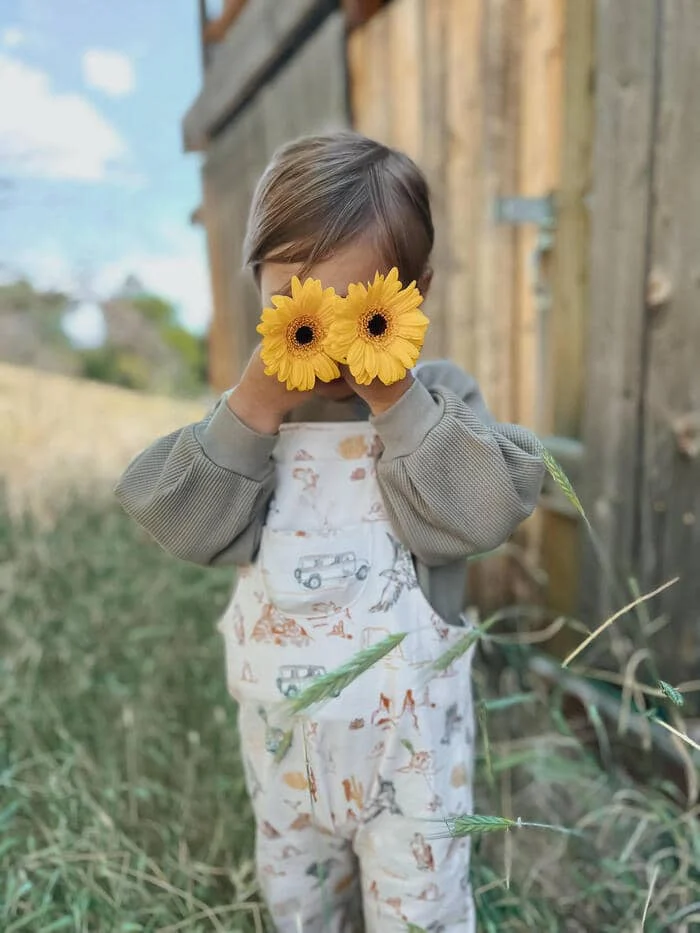

Apple Park GOTS Certified Organic Toddler Apparel
🌿Apple Park, founded by a mom who comes from a family of experienced toymakers, offers a super cute and large collection of GOTS Certified Organic Toys, GOTS Certified Organic Dolls, and GOTS Certified Stuffed Animals.
Organic baby accessories, and GOTS Certified Organic Baby apparel and GOTS Certified Organic Toddler Apparel made only of certified organic, renewable, and recycled materials.
Apple Park offers GOTS Certified Organic Cotton Toddler Apparel: dresses, tops, bottoms, one pieces, pajamas and accessories.
Available in a beautiful rainbow of muted earth-tones inspired by nature, our new organic muslin layette is perfect for the warmer weather seasons.
🐻 Short ruffled sleeves at arm openings, Snap back closure at neck
- ✅ GOTS Certified Organic Cotton
- ✅ 100% organic muslin cotton
- ✅ OEKO-TEX 100 eco-friendly fabric dyes
- ✅ Organic waffle, Organic muslin, and organic cotton
MATERIAL: 100% GOTS Certified Organic Cotton
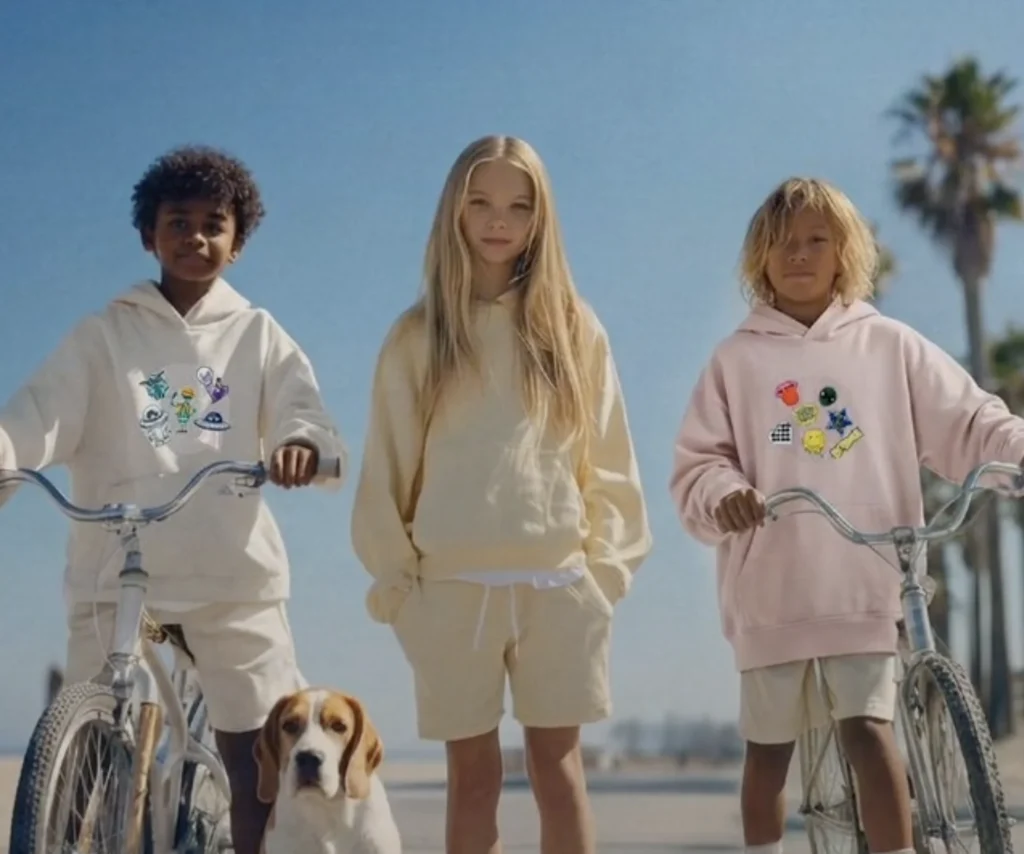
Hahaha GOTS Certified Organic Kids Wear
🌿Hahaha, all organic GOTS-certified organic cotton kids' streetwear, all amazingly made in Los Angeles!!
Every garment is Cut, sewn, and finished in LA. Bright colors, fun characters, playful designs, trendy, that give freedom of expression for the kids!
They came up with a way to reduce waste and to extend the durability of the garments: their signature fun patches!
Interchangeable hook-and-loop patch system: all the tops (hoodies, tees, and jackets) come with a built-in round patch panel on the chest, and kids swap embroidered patches to express their mood, their culture, or their favorite characters. It's one garment with endless combinations, designed to replace the cycle of buying a new character tee every month. 🐻For ages 3-12.
OEKO-TEX Standard 100: lab tests the finished fabrics for over 350 harmful substances
- ✅ 100% GOTS Certified Organic Cotton
- ✅ OEKO-TEX Standard 100
- ✅ No azo dyes
- ✅ No heavy metals
- ✅ Made in Los Angeles
- ✅ Zero waste
MATERIAL: 100% GOTS-certified organic cotton
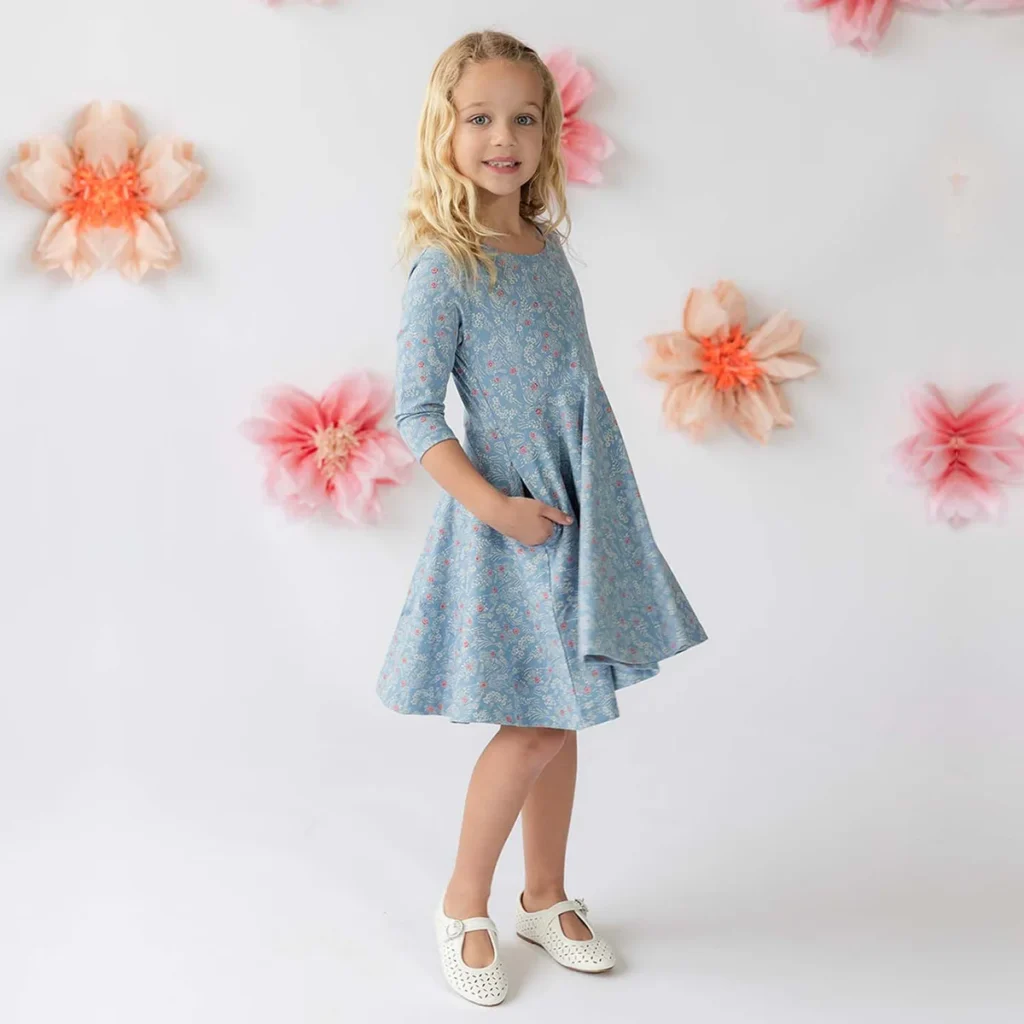
Mightly Organic Kids Wear
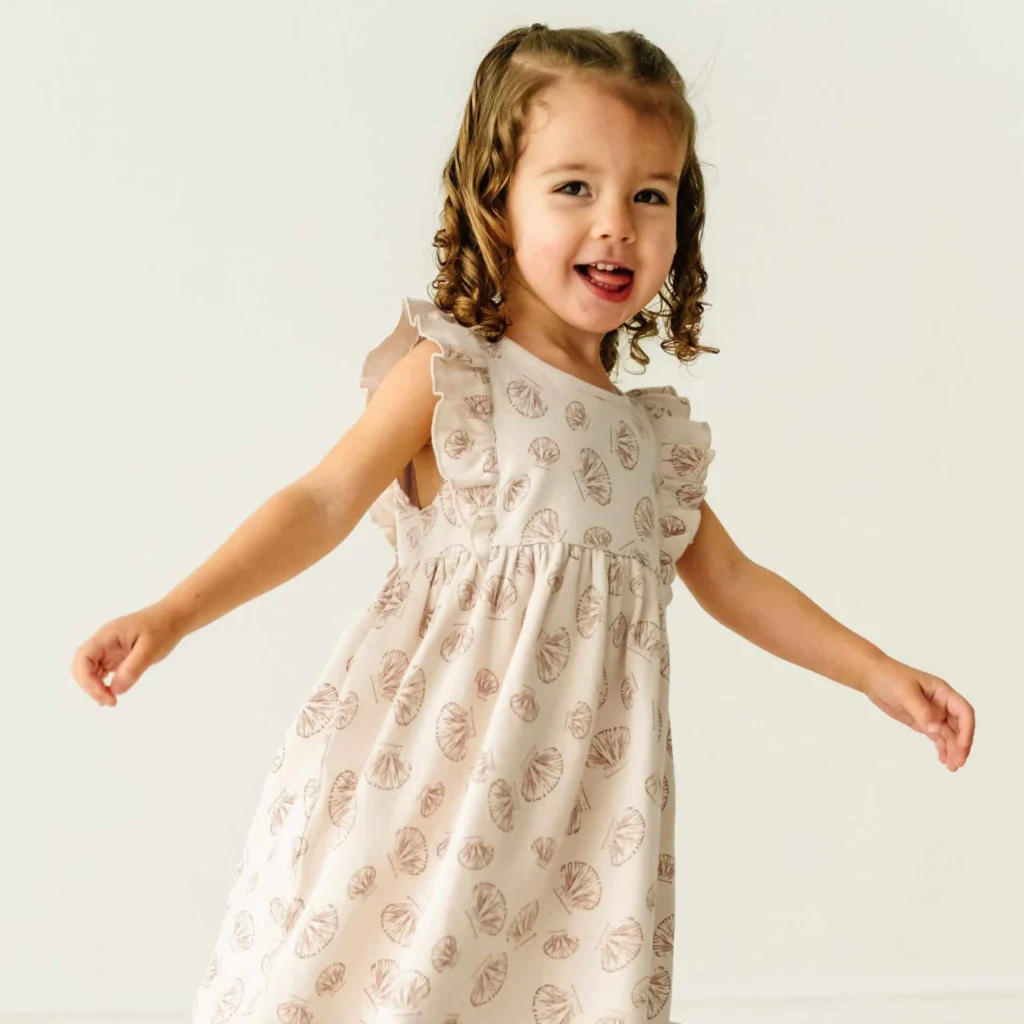
🌿Mightly Kids Organic Cotton 3/4 Sleeve Twirl Dress: Cherry Blossom
This organic kid dress is made from 100% GOTS Certified organic cotton. Designed in California. Made in India.
🌿 This pretty organic dress is designed to be used for parties and is comfortable enough for everyday wear. From dancing, playing, or school pictures, this dress has everyday adventure written all over! The three-quarter-length sleeves make this the perfect all-season dress.
✅ GOTS Organic cotton: its growth, harvest, and manufacturing processes are safe for farm and factory workers and are kind on Earth’s water and land.
✅ Fair Trade certified: ensures everyone involved in the making of their products is treated with the respect and care they deserve.
- ✅ 95% GOTS Certified Organic Cotton / 5% Spandex
- ✅ Hypoallergenic
- ✅ Fair Trade Certified
- ✅ Designed in California. Made in India
- ✅ Women Owned
MATERIAL: 95% GOTS Certified Organic Cotton / 5% Spandex
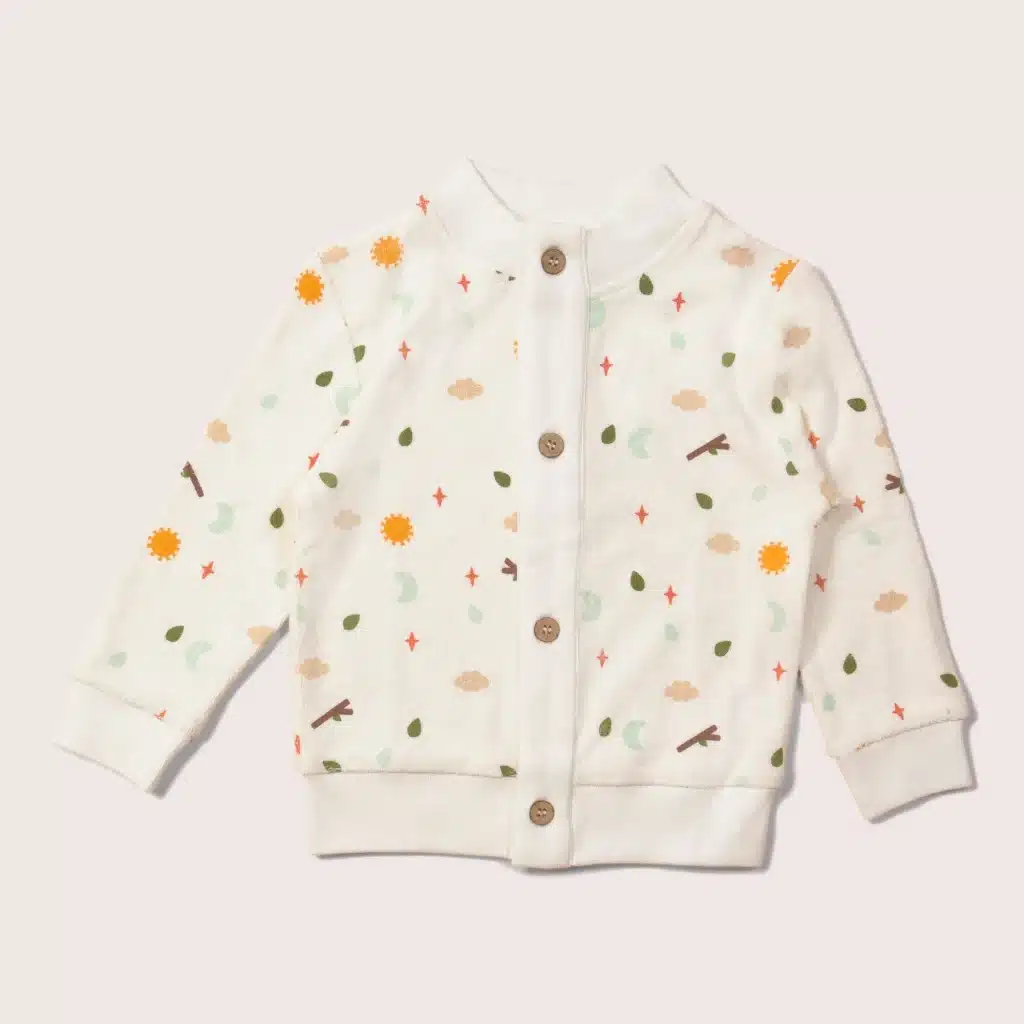
Little Green Radicals Organic Baby Clothing
🌿Little Green Radicals started life in 2005 with the aim to do business differently. They use Fairtrade and organic cotton to make long-lasting clothes that will survive wriggly newborns, excitable toddlers, and adventurous children, and still come looking great so they can be passed on again and again.
🐻 100% Organic & Fairtrade Towelling Cotton, Soft Organic Cotton Terry Towelling, Unisex style
Long-lasting fabric so it can be passed along again & again. Easy wear comfy style. Long ribbed cuffs so it will last your growing child even longer
- ✅ Global Organic Textile Standard Certified
- ✅ Fairtrade Foundation Certified
- ✅ Fair Rubber Association Certified
- ✅ The Soil Association Certified
- ✅ UK brand
MATERIAL: 100% GOTS Certified Organic Cotton, Fair Trade
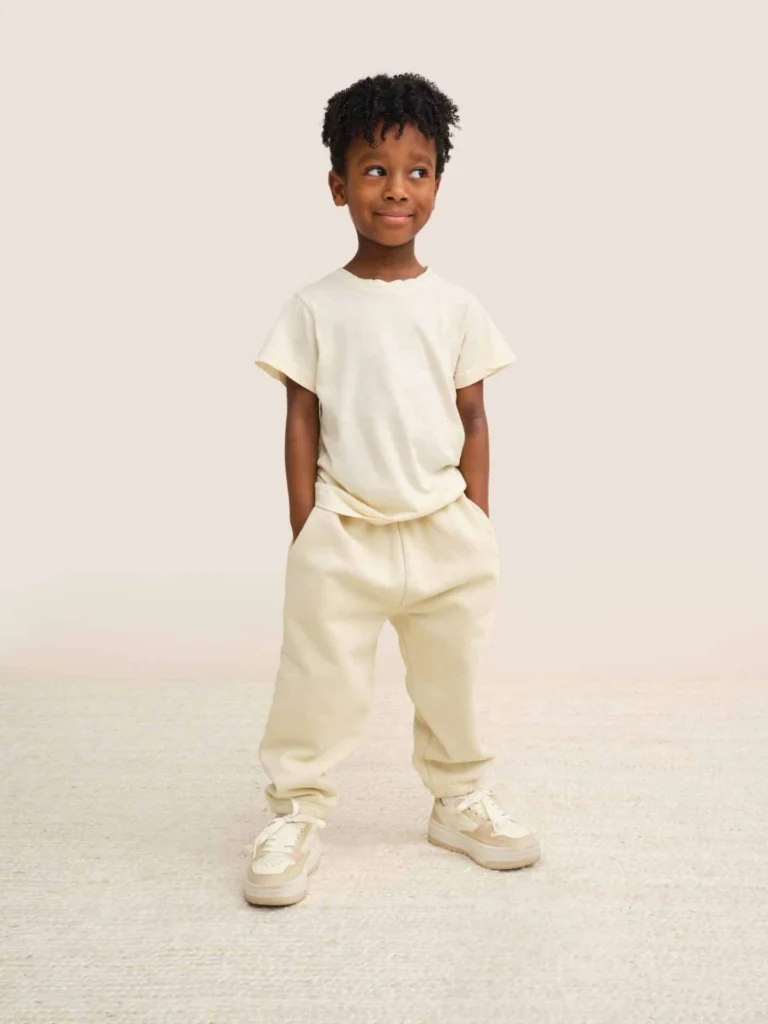
MATE Kids Organic Fleece Sweatpant
🍃 MATE Organic Fleece is made with cozy 100% Organic Cotton and designed with an extra-roomy fit for supreme comfort.
✅ This organic kids' wear is made with organic yarns and dyes that protect our skin, the workers, and the environment!
🌿 Sourcing Organic preserves and improves the full production process and the soil!
They also have organic matching sets for fathers, mothers, and sons or daughters.
👉When you buy organic, it means no pesticides, endocrine disruptors, or other toxic chemicals end up in your closet and on your skin!! By having the opportunity to buy organic, there is no excuse for supporting the polluting and greedy conventional fashion industry! Buying conventional clothing feeds the toxic cycle!
✅ Organic clothing brands offer us sustainable options made with natural materials and dyes that respect us, the workers, and the planet's resources!
MATE sustainable products are made with non-toxic, natural, and organic materials. No polyester, nylon, or polyamide in their organic products. Women-owned brand: founded by women, run by women. Their labels and packaging are plastic-free.
Their products use significantly less water and less carbon compared to non-organic, conventional materials.
- ✅ GOTS Certified Organic Cotton
- ✅ Pesticides-free, BPA-free, PFAS-free, Formaldehyde-free
- ✅ B Corp
- ✅ Women-owned
MATERIAL: 50% Organic Cotton, 50% Cotton Fleece

Nest Designs Cashmere Long Sleeve Cardigan
🌳 Amazing! Nest Designs brand offers GOTS Certified Organic cashmere for babies!
Check out their entire collection!
They offer a Baby, toddlers, and kids collection
This sweet Cashmere Long Sleeve Cardigan is the perfect outer layer piece for your bubs' wardrobe. Includes GOTS Certified cashmere overalls, GOTS Certified cashmere Harem pants, GOTS Certified long sleeve rompers, GOTS Certified cashmere long-sleeve cardigans, and GOTS Certified cashmere sweaters!
🌿Dress your bubs in this cardigan for daytime play or a dinner outing. Luxuriously soft, this cardigan is made from GOTS-certified organic cashmere, giving it an unparalleled lightweight warmth.
Organic cashmere is the purest form of cashmere, free from any form of harmful chemicals or pesticides, and dyed responsibly.
- ✅ GOTS-certified organic cashmere
- ✅ Lined with Nest Designs' classic Feather Grey print
- ✅ Made in Canada
MATERIAL: 100% GOTS Certified Organic Cashmere
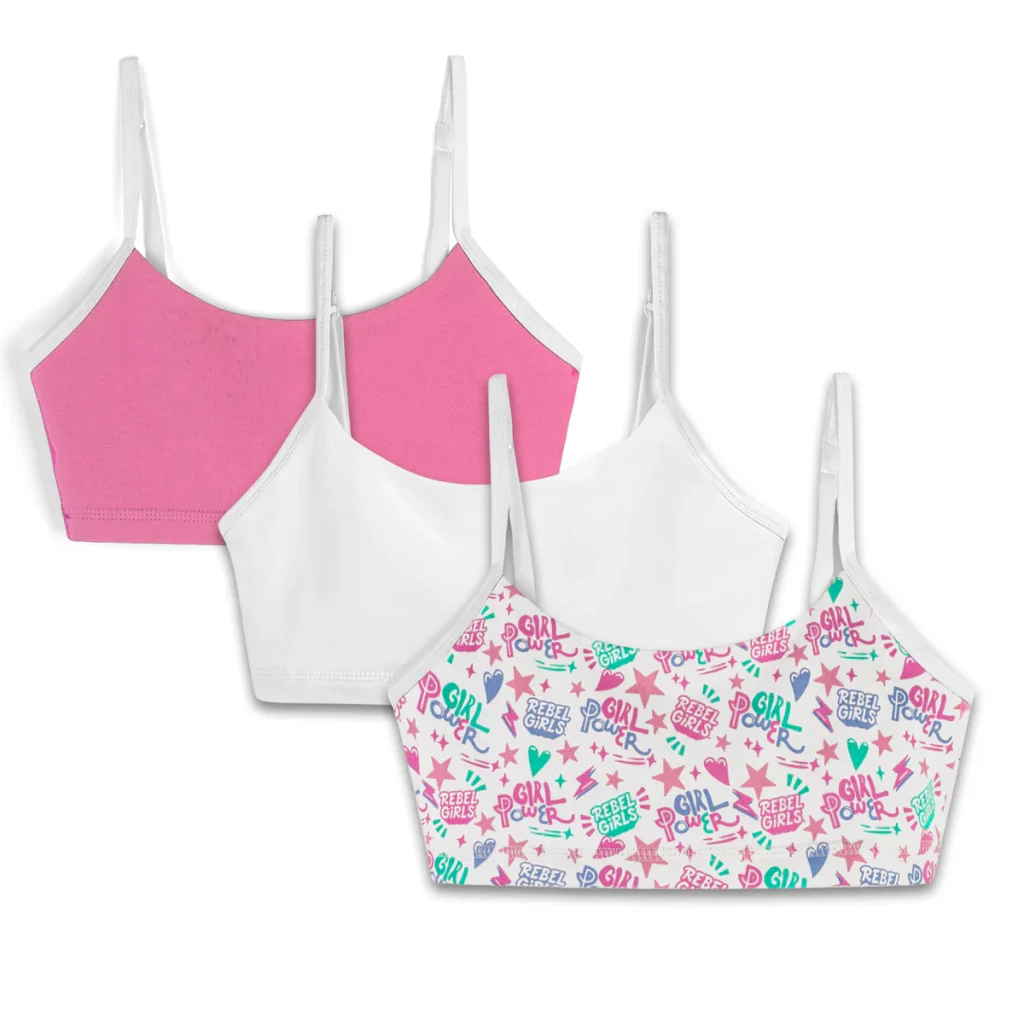
Mightly Girls Organic Cotton Bras
🌿Mightly Rebel Girls Organic Cotton Bras
🌸 These organic teen bralettes are made with GOTS certified Organic Cotton and Fair Trade certified
The perfect choice for moms seeking comfortable and stylish undergarments for their young ones. Designed with growing girls in mind, these girls' bras offer a combination of support, coverage, and adjustability. Made from certified organic cotton and featuring adjustable straps.
🌸 Thoughtfully designed to prioritize your child's comfort, making them perfect for everyday wear. With adjustable straps, your child can customize the fit to their preference, ensuring maximum comfort throughout the day.
This is specifically crafted for youth and tweens, providing them with a supportive and comfortable option. These girls' bras are made with a double-layer front, ensuring adequate coverage and light support.
- ✅ GOTS Organic cotton: its growth, harvest, and manufacturing processes are safe for farm and factory workers and are kind to Earth’s water and land.
- ✅ Fair Trade certified: ensures everyone involved in the making of their products is treated with the respect and care they deserve.
MATERIAL: GOTS Certified Organic Cotton
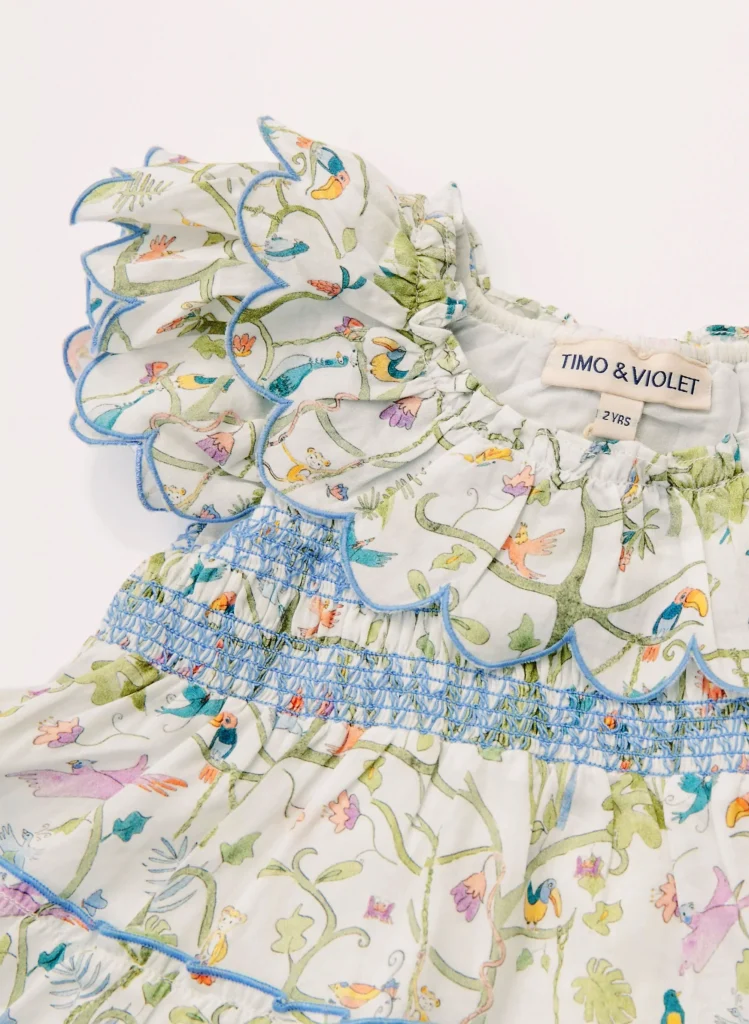
Timo & Violet Organics Baby Clothing
🌿 Timo & Violet Organics Baby Clothing is organic, ethically sourced, and environmentally responsible.
They are made with GOTS (Global Organic Textile Standard) certified organic cotton grows in Turkey and Tanzania.
GOTS Certified organic cotton is grown and processed without synthetic pesticides, fertilizers, or harmful chemicals, making it safer for the environment, the farmers, and those who wear it.
This approach nurtures healthier soil and water, reduces the carbon footprint. The result is longer, more durable fibers for a softer, hypoallergenic material that’s gentle on sensitive skin especially for babies.
Their labels are made from 100% organic cotton, and hang tags are made from 100% post-consumer content. They are also printed with soy-based ink and are 100% recyclable and biodegradable.
This organic baby Dress is crafted from 100% GOTS-certified organic cotton sateen, it’s soft, breathable, and designed for all-day comfort.
- ✅ GOTS Certified Organic Cotton
- ✅ Fair Wages
- ✅ Hypoallergenic
- ✅ B Corp
MATERIAL: 100% GOTS Certified Organic Cotton, Fair Trade
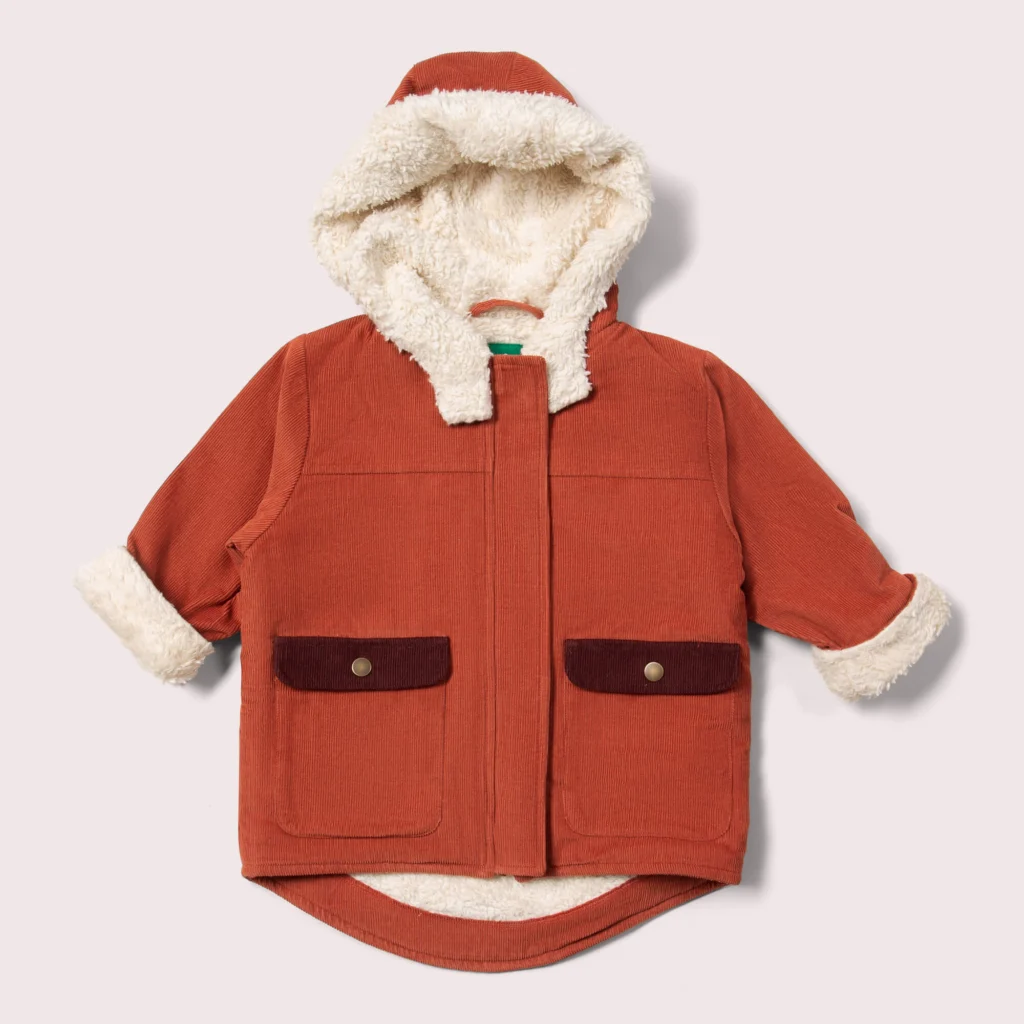
Little Green Radicals Organic Baby Coat
🌿Little Green RadicalsGinger Organic Sherpa Toasty Coat
This cosy kids' coat is made with 100% organic cotton. Breathable, super snug, and hooded, this winter jacket will keep your little explorer warm on all their adventures.
🐻 Great organic winter wear for winter months
Great For Valentine's Day.
Unisex
Longer at the back to keep bottoms dry!
Hooded
Fully lined
Breathable
Extra warm
Front pockets
Machine washable
- ✅ Global Organic Textile Standard Certified
- ✅ Fairtrade Foundation Certified
- ✅ Fair Rubber Association Certified
- ✅ The Soil Association Certified
- ✅ UK brand
MATERIAL: 100% GOTS Organic & Fairtrade Cord & Sherpa Cotton

Bleuet Girls Organic Cotton Bras
🌿Bleuet Girls Organic Cotton Bras: Bleum Organic Bra
🌸Bleuet is my number one organic teen bra brand. They offer organic bralettes and sports bras as well as underwear that is made of natural fibers.
This organic teen bra is made with organic cotton. It will give you the confidence and support you need under your favorite shirts, dresses and jerseys. Whether it’s your first bra, training bra or your 20th teen bra.
These Organic Bras for Girls, Tweens, and Teens are designed to be age-appropriate. Designed to offer all the girls safer and comfortable bras and confidence. For all girls as they grow and develop.
Created by a mom who could not find the best option for her tween daughter with sensitive skin or skin sensitivities, who thought every bra was itchy and scratchy.
- ✅ GOTS Certified Organic cotton: its growth, harvest, and manufacturing processes are safe for farm and factory workers and are kind to Earth’s water and land.
- ✅ OEKO-TEX® STANDARD 100
- ✅ Fair Trade: certified Guatemalan factories
- ✅ Zero‑waste packaging, and carbon‑neutral shipping
- ✅ Ultra-Soft & Double-lined for smooth coverage
- ✅ Adjustable straps for the perfect fit
- ✅ Minimal seams and tag-free for comfort
- ✅ Performance, moisture-wicking fabric
MATERIAL: 95% GOTS Certified Organic Cotton / 5% Elastane
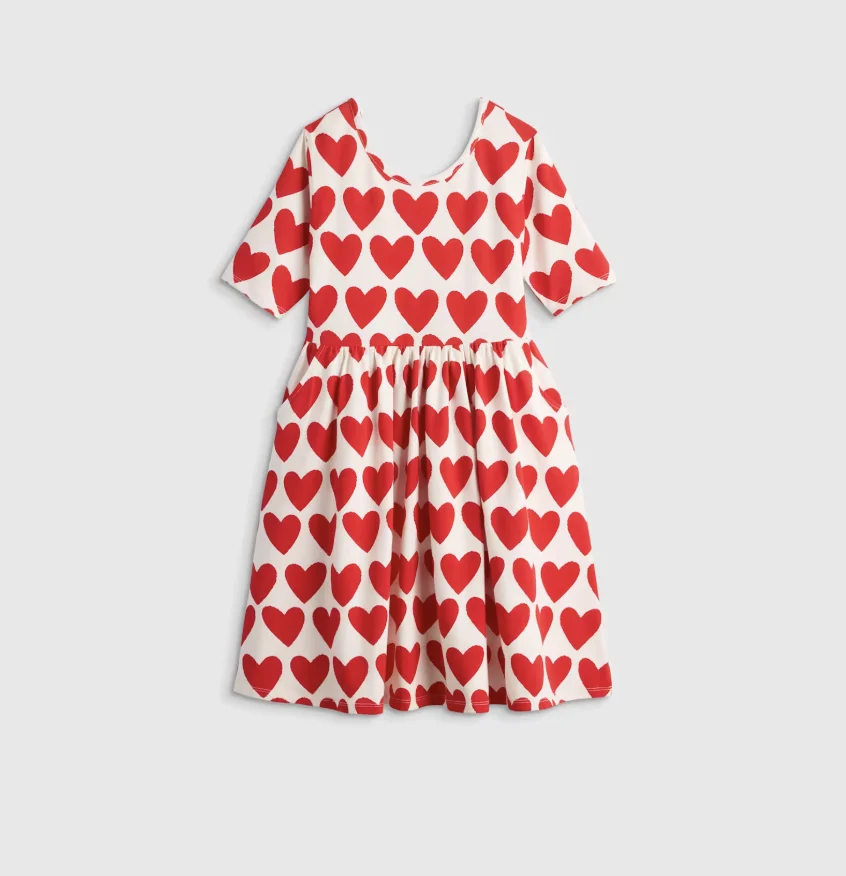
Quince Organic Cotton Skater Dress
🌿 Quince Organic Cotton Skater Dress
This organic kids' dress is made with Organic Cotton. Great For Valentine's Day.
This Organic Cotton Skater Dress features comfort with style in soft organic cotton with a hint of stretch for ease of movement.
It is specifically designed to let your child twirl and play with ease. Crafted with pockets to stash their favorite things.
Featuring a full circle skirt, scoop neckline in front and back, and side slant pockets
Also for an Organic Halloween costume as the Queen of Hearts
- ✅ Organic Cotton
- ✅ This material is certified by Standard 100 OEKO-TEX® certificate 21.HCN.89915; which ensures that no hazardous substances are present
- ✅ They partner with a factory that upholds the highest ethical and environmental standards, fully compliant with ZED (Zero Effect, Zero Defect). They ensure a safe, fair, and empowering work environment, where every worker is valued, every process is sustainable, and every garment is crafted with care.
- ✅ ZED GOLD Certificate Number: 22.HIN.32544
MATERIAL: 95% Organic Cotton, 5% Spandex Jersey

Bleuet Girls Organic Cotton Hipster
🌿Bleuet Girls Organic Cotton Hipster
🌸Bleuet is my number one organic teen bra brand. They offer organic bralettes and sports bras as well as underwear that is made of natural fibers.
This organic teen underwear is made with organic cotton which is growth, harvest, and manufacturing processes are safe for farm and factory workers and are kind to Earth’s water and land.
It is breathable and moisture wicking
Created by a mom who could not find the best option for her tween daughter with sensitive skin or skin sensitivities, who thought every bra was itchy and scratchy.
Soft, light, and breathable comfort for everyday confidence. Gentle on the skin.
- ✅ GOTS Certified Organic cotton
- ✅ OEKO-TEX® STANDARD 100
- ✅ Fair Trade: certified Guatemalan factories
- ✅ Zero‑waste packaging, and carbon‑neutral shipping
- ✅ Minimal Seams
- ✅ Breathable & Moisture wicking
MATERIAL: 95% GOTS Certified Organic Cotton 5% spandex
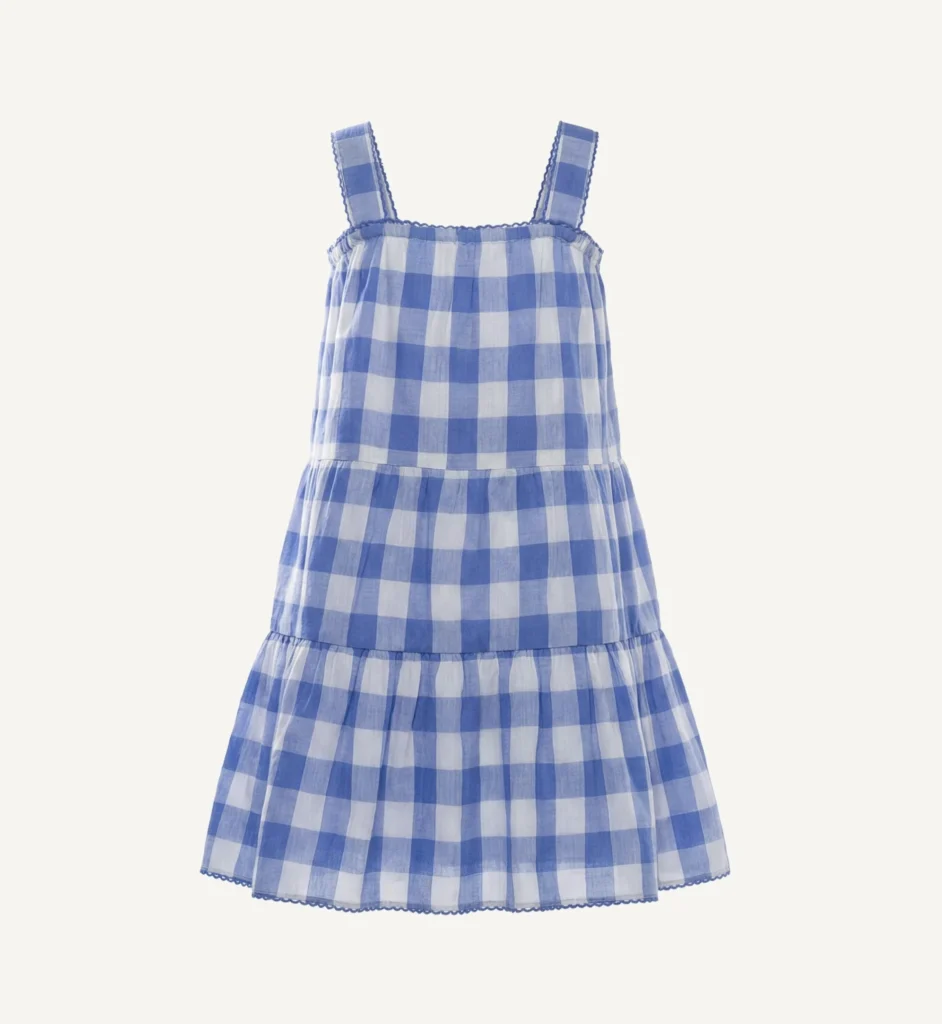
Cleobella Organic Kids Dress
💖 Cleobella makes super gorgeous organic dresses made with GOTS-certified organic cotton and sustainable bags.
🍃 This organic kids' dress is ethically handmade from 100% GOTS-certified organic cotton. Sometimes you can also find, depending on their current collection, organic cotton mother-and-daughter matching dresses.
These organic fibers have been certified by the Global Organic Textile Standard, meaning no use of genetically modified seeds, harmful pesticides, or synthetic fertilizers.
Intricate eyelet detailing is woven throughout, along with hidden pockets. Designed with a soft, swingy silhouette, it features a removable waist tie for versatile styling. This style is an online exclusive, made for moments you won’t find anywhere else.
🍃Cleobella sustainable dresses are handmade by local artisans and small factories. This process creates jobs and sustainable incomes around the world. They support sustainable manufacturing practices and celebrate traditional craftsman techniques.
- ✅ 100% GOTS-certified organic cotton
- ✅ Handmade
- ✅ Ethically Made
- ✅ Made in India
- ✅ B Corp
MATERIAL: 100% GOTS-certified organic cotton
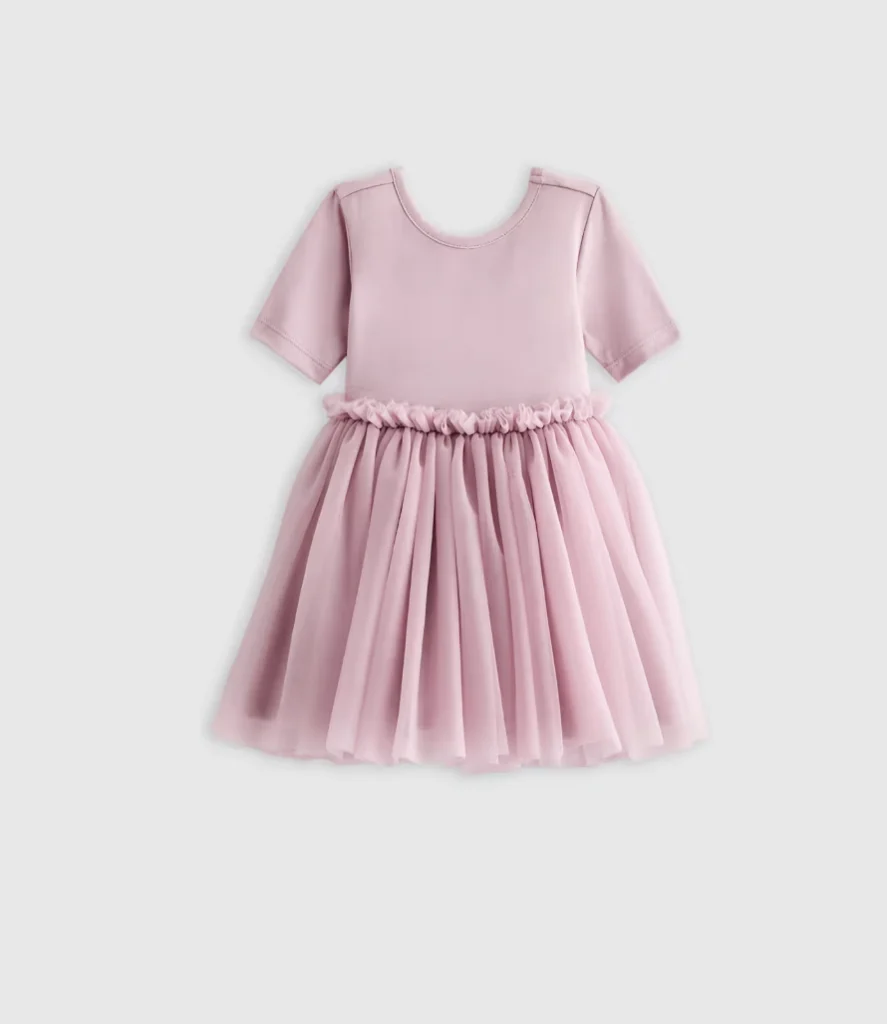
Quince Organic Princess Costumes
🌿 Quince Organic Cotton Tulle Tutu Dress
This Organic Cotton Tulle Tutu Dress is made with 95% Organic Cotton and 5% Elastane. This sustainable Princess Halloween costume for a baby girl is made for dreaming!
It is a perfect organic princess costume for Halloween, to feel like a princess. It is also perfect to use again and reduce waste, great for any special occasion, parties, or anytime she wants to feel like a princess and express their inner royalty.
Soft, breathable, organic cotton blend perfect for everyday wear. Whether it's for a birthday party, wedding, or when frills are their first priority, this dress is sure to make your little one feel like a princess.
Organic fibers are never treated with pesticides, insecticides, or herbicides, and conserve more natural resources like water. The factory upholds the highest ethical and environmental standards, fully compliant with ZED (Zero Effect, Zero Defect). They ensure a safe, fair, and empowering work environment, where every worker is valued, every process is sustainable, and every garment is crafted with care.
ZED GOLD Certificate Number: UDYAM-GJ-25-0001224
- ✅ Organic Cotton
- ✅ Ethically made dress
- ✅ ZED GOLD Certificate Number
- ✅ made in India
MATERIAL: 95% Organic Cotton, 5% Elastane
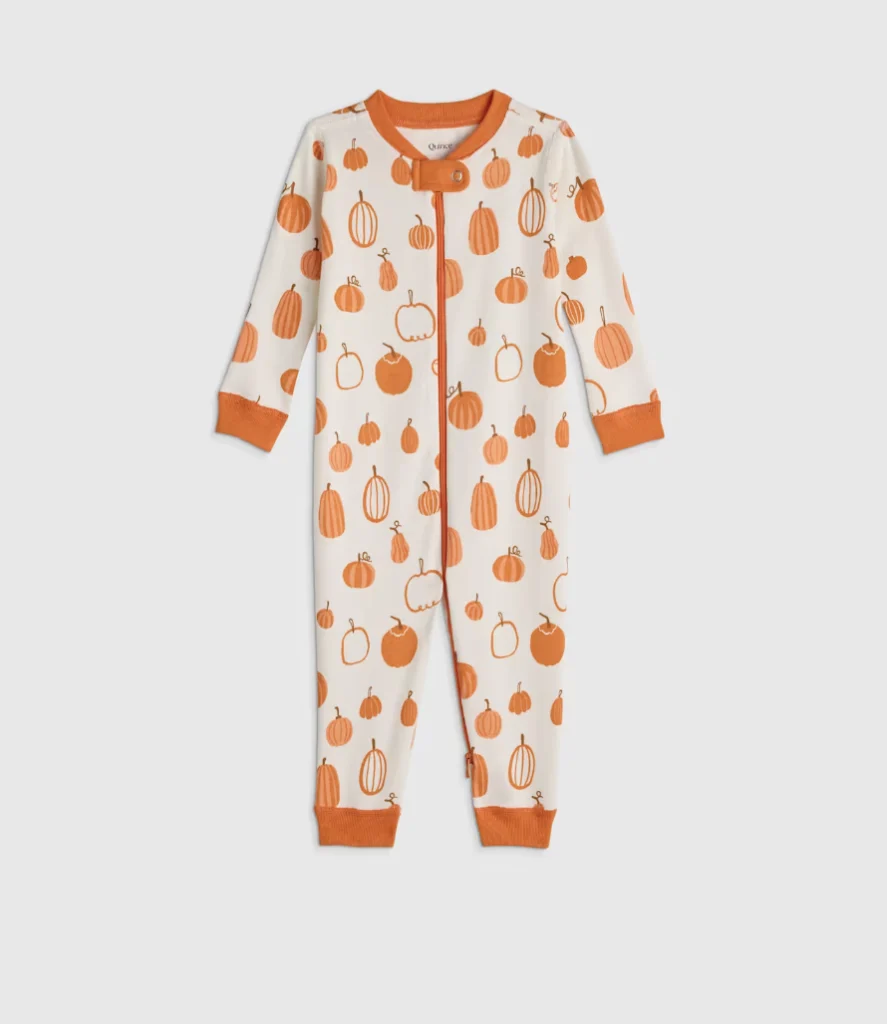
Quince Organic Cotton Pumpkins Pajama
🌿 Quince Organic Cotton Pumpkins Pajama
This organic kid pajama is made with 100% organic cotton
It is super soft against your little one’s skin to encourage a blissful naptime and bedtime. The two-way zipper allows for easy on and off, with a snap tab and inner zipper cover to protect delicate skin. No matter the season, these one-piece pajamas are a must-have for restful nights and naps to come!
This material is certified by Standard 100 OEKO-TEX (Certificate numbers: SH050 188709, BJ020 280914, & 223.HIN.43120), which ensures that no hazardous substances are present
Great as Organic Halloween costume to celebrate Halloween, or Thanksgiving
- ✅ 100% Organic Cotton
- ✅ Standard 100 OEKO-TEX® certificate 21.HCN.89915
- ✅ They partner with a factory that upholds the highest ethical and environmental standards, fully compliant with ZED (Zero Effect, Zero Defect). They ensure a safe, fair, and empowering work environment, where every worker is valued, every process is sustainable, and every garment is crafted with care.
- ✅ ZED GOLD Certificate Number: 22.HIN.32544
MATERIAL: 100% Organic Cotton
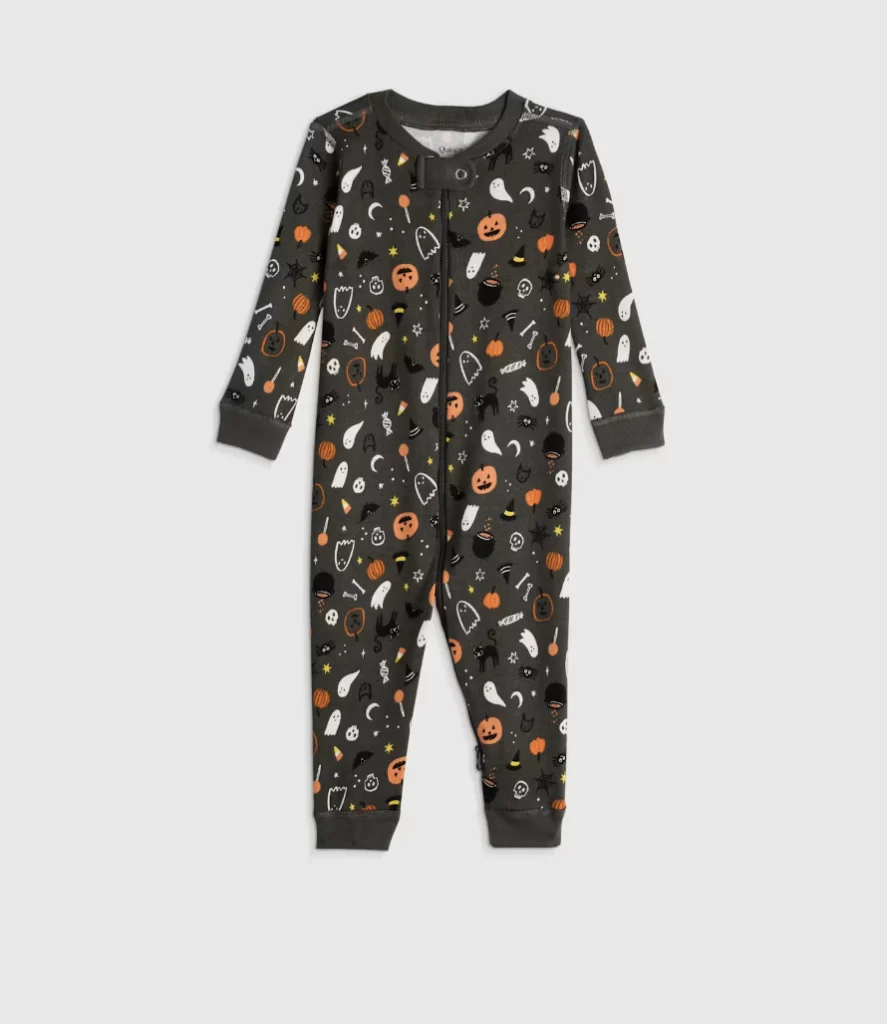
Quince Organic Cotton Halloween Pajama
🌿 Quince Organic Halloween Pajama
This organic kid pajama is made with 100% organic cotton
It is super soft against your little one’s skin to encourage a blissful naptime and bedtime. The two-way zipper allows for easy on and off, with a snap tab and inner zipper cover to protect delicate skin. No matter the season, these one-piece pajamas are a must-have for restful nights and naps to come!
This material is certified by Standard 100 OEKO-TEX (Certificate numbers: SH050 188709, BJ020 280914, & 223.HIN.43120), which ensures that no hazardous substances are present
Great as an organic Halloween costume to celebrate Halloween
- ✅ 100% Organic Cotton
- ✅ Standard 100 OEKO-TEX® certificate 21.HCN.89915
- ✅ They partner with a factory that upholds the highest ethical and environmental standards, fully compliant with ZED (Zero Effect, Zero Defect). They ensure a safe, fair, and empowering work environment, where every worker is valued, every process is sustainable, and every garment is crafted with care.
- ✅ ZED GOLD Certificate Number: 22.HIN.32544
MATERIAL: 100% Organic Cotton
Not Recommended


❌ Not Recommended: Burt's Bee
I don't recommend Burt's Bee: Greenwashing
Clorox, a company that makes bleach and countless other chemicals, bought Burt’s Bees in 2007 for an astounding $925M. Burt was even bought out of any ownership in his company in 1999 in exchange for a house valued at only $130,000 and some other minor compensation!
Plus Burt's Bees has been independently tested and they found PFAS in their products.
"Burt’s Bees Products Company and the Clorox Company have been accused of manufacturing cosmetic products containing “forever chemicals”. This accusation follows similar complaints about a number of long-lasting and waterproof makeup products from multiple manufacturers including Loreal, and Maybelline. Cover Girl and others."
In addition to previous lawsuits filed against national cosmetics companies, Burt’s Bees and Clorox may be facing a new round of lawsuits over its failure to disclose that some of its makeup or cosmetic products contain polyfluoroalkyl and perfluoroalkyl substances (PFAS), known to be toxic to humans. PFAS have also become known as “forever chemicals” as they do not break down easily, either in the environment or in the body and stick around “forever”
A class-action lawsuit has been filed in the U.S. District Court for the Northern District of California. The lawsuit claims the products have been independently tested and found to contain PFAS which are not listed on product labeling and that the company used false or deceptive advertising.