Cradle Cap

Cradle Cap
Cradle Cap is often mistaken for dry skin, cradle cap is actually caused by a fungus known as Malassezia, which also causes dandruff and seborrheic dermatitis.
Seborrheic Dermatitis is linked to a type of yeast (fungus) called Malassezia that naturally lives on the skin, especially in oily areas like the scalp, face, and chest.
Although Malassezia is a natural part of the skin microbiome, this fungus can take over the scalp, causing itching and flaking skin. It can wake up and become dominant especially during stress, with an imbalanced diet, or when the scalp is subjected to today’s toxic shampoos.
According to Wikipedia: The Malassezia Yeast is believed to play a role. Seborrhoeic dermatitis-like eruptions are also associated with vitamin B6 deficiency. My naturopath recommends taking B6 with the superior form P5P not higher than 50 mg a day, and zinc.
Conventional Cradle Cap Products
Avoid conventional Cradle Cap products made with chemicals and synthetic ingredients that can only fix the problem temporarily.
Conventional products for cradle cap typically include conventional baby shampoos, emollients like baby oil or mineral oil, and occasionally mild hydrocortisone creams for irritated cases.
CeraVe or Aveeno
-
❌ Petroleum derived: Emollients such Mineral oil, petroleum jelly, or baby oil applied before shampooing softens crusts.
-
❌ Sulfates SLS/SLES: strip natural oils, raise skin pH, and cause dryness.
-
❌ Fragrances including linalool, limonene, and geraniol lead to contact dermatitis.
-
❌ Phthalates: Often hidden in fragrances, they leach from plastics, act as endocrine disruptors, and trigger allergies or yeast overgrowth in seborrheic-prone skin.
-
❌ Hydrocortisone cream: For red, irritated scalps. Prolonged or excessive use weakens the skin barrier, increasing tear risk and vulnerability to infections. Suppresses local immune response, raising chances of bacterial or viral skin infections. Adrenal suppression: Absorption into the bloodstream can disrupt hormone production, potentially causing growth delays or more severe effects with overuse. May cause redness, color changes, dryness, or unwanted hair growth; avoid on large areas or under coverings like diapers.
-
❌ Ketoconazole: This antifungal can cause scalp irritation, dryness, itching, burning, or rare allergic reactions like hives and rash. It may alter hair texture or lead to temporary shedding
Greenwashing Cradle Cap Products
Avoid greenwashing Cradle Cap products made by brands that pretend to be natural, safer or eco-friendly when they are not. They will use their marketing tricks to convince you to buy their products. They contain controversial ingredients such as:
- ❌ Zinc Pyrithione: Acute toxicity of Zinc pyrithione to human skin cells in vitro
- ❌ Salicylic acid: Widely available (e.g., Neutrogena T/Sal); exfoliates flakes but can dry skin.
- ❌ Phenoxyethanol: preservative classified as an irritant, toxic, and harmful. Can have adverse effects on the central and peripheral nervous systems, linked to allergic contact uritica and dermatitis. Made by the reaction of corrosive phenol with carcinogen ethylene oxide. Exposure to phenoxyethanol has been linked to reactions ranging from eczema[2] to severe, life-threatening allergic reactions.
- ❌ Ethylhexylglycerin: Harmonized classification: This substance causes serious eye damage. Severe eye damage observed in animal testing. Classified as an irritant, this substance causes serious eye damage. Severe eye damage was observed in animal testing.
- ❌ Avoid heavy oils: olive, coconut feed Malassezia yeast.
The Best Seborrheic Dermatitis Natural Products
Here are the natural alternatives that have been proven to help the condition:
- ✅ Organic Ingredients
- ✅ Safe and gentle
- ✅ Non-GMO Project Verified
- ✅ Plastic Neutral
- ✅ No petrolatum or artificial fragrance.
- ✅ Safe for use while breastfeeding
The Best Organic Brands For Cradle Cap
- 🌿 Earth Mama Organics 10% off code: PRETTYORGANICGIRL
- 🌿 DermaZen 10% off link
Shop with my links to support my research! 💖

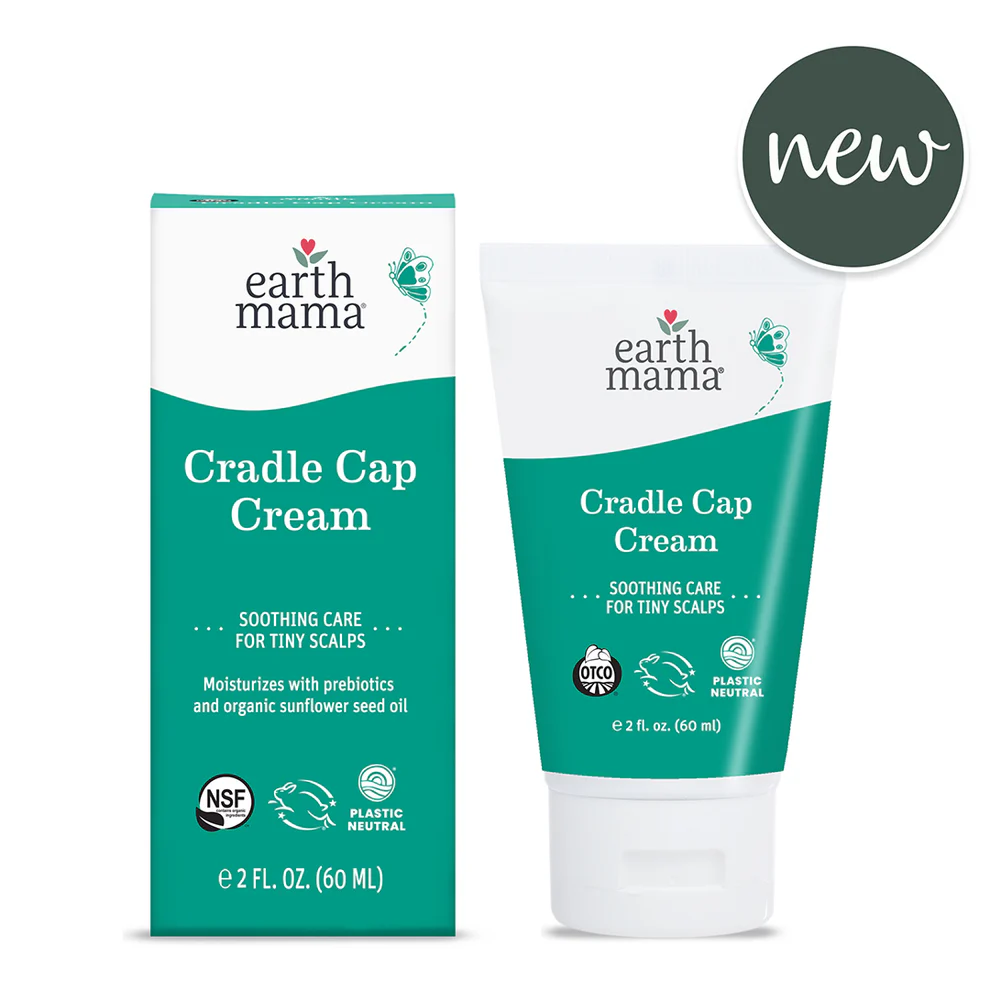
Earth Mama Organic Cradle Cap
🌸Earth Mama Organic Cradle Cap
This Organic Cradle Cap is made with organic and sooting ingredients.
Formulated with organic sunflower seed oil, organic avocado oil and organic shea butter. It is like an organic hair mask for babies. Safe and gentle ingredients that lock the moisture in and tackle skin flaking.
Apply the cradle cap cream once a day directly on dry patches in the evening. Leave it in overnight, then wash baby's hair with shampoo the next day to remove loosened flakes.
Certified to the NSF/ANSI 305 Standard for Personal Care Products Containing Organic Ingredients by Oregon Tilth, Leaping Bunny Certified & Plastic Neutral.
- ✅ Organic Ingredients
- ✅ Safe and gentle
- ✅ Non-GMO Project Verified
- ✅ Plastic Neutral
- ✅ No petrolatum or artificial fragrance.
- ✅ Safe for use while breastfeeding
INGREDIENTS: Aloe barbadensis leaf juice*, Sunflower seed oil*, Olive oil*, Glycerin*, Shea butter*, Cetearyl alcohol, Glyceryl stearate, Potassium olivoyl hydrolyzed oat protein, Avocado oil*, Galactoarabinan, Glyceryl oleate, Xanthan gum, Sodium benzoate, Gluconolactone, Calcium gluconate *Organic
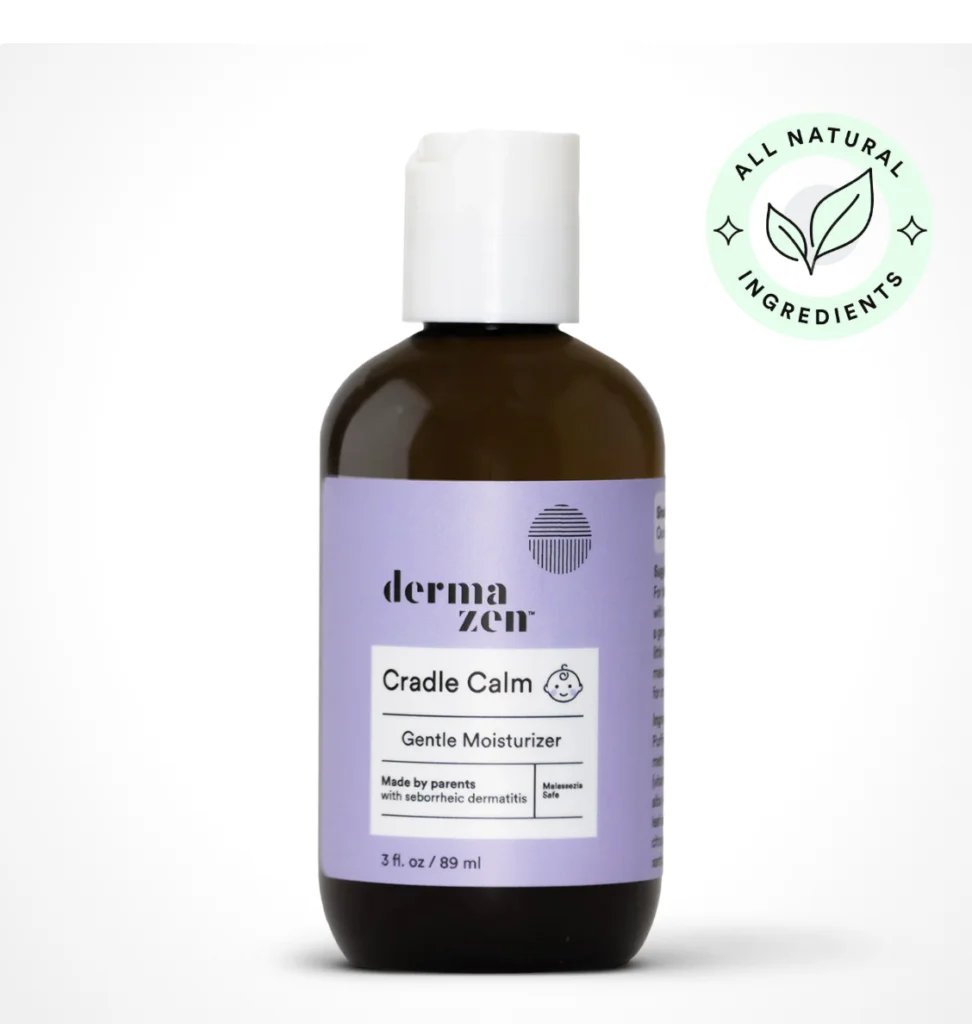
DermaZen Baby Cradle Cap
🌿 DermaZen Cradle Cap
This Natural Cradle Cap solution is a gentle formula made with all-natural ingredients.
Made by my number one organic brand recommendation for dandruff and seborrheic dermatitis.
🌿 Cradle Cap is often mistaken for dry skin; it is actually caused by a fungus known as Malassezia, which also causes dandruff and seborrheic dermatitis.
This dual‑relief formula helps soothe and clarify the scalp while gently nourishing and hydrating your baby’s delicate skin—without using oils that can contribute to yeast‑related buildup.
It safely remove excess flakes. For best results, start by removing excess flakes with a comb or by washing your baby's scalp with a bath.
- ✅ All natural
- ✅ Gentle Formula
- ✅ Fungal-Safe
- ✅ Oil-Free
- ✅ Pediatrician Friendly
INGREDIENTS: Water, Squalane, Xylitol, Methylsulfonylmethane (MSM), Niacinamide (vitamin B3), Glycerin, Aloe Barbadensis Leaf Juice, Rosa Damascena Flower Water, Benzyl Alcohol, Salix Alba (Willow) Bark Extract, Sodium Hyaluronate, Citrus Grandis (Grapefruit) Seed Extract, Xanthan Gum, Hydroxypropyl Guar, Sorbitol
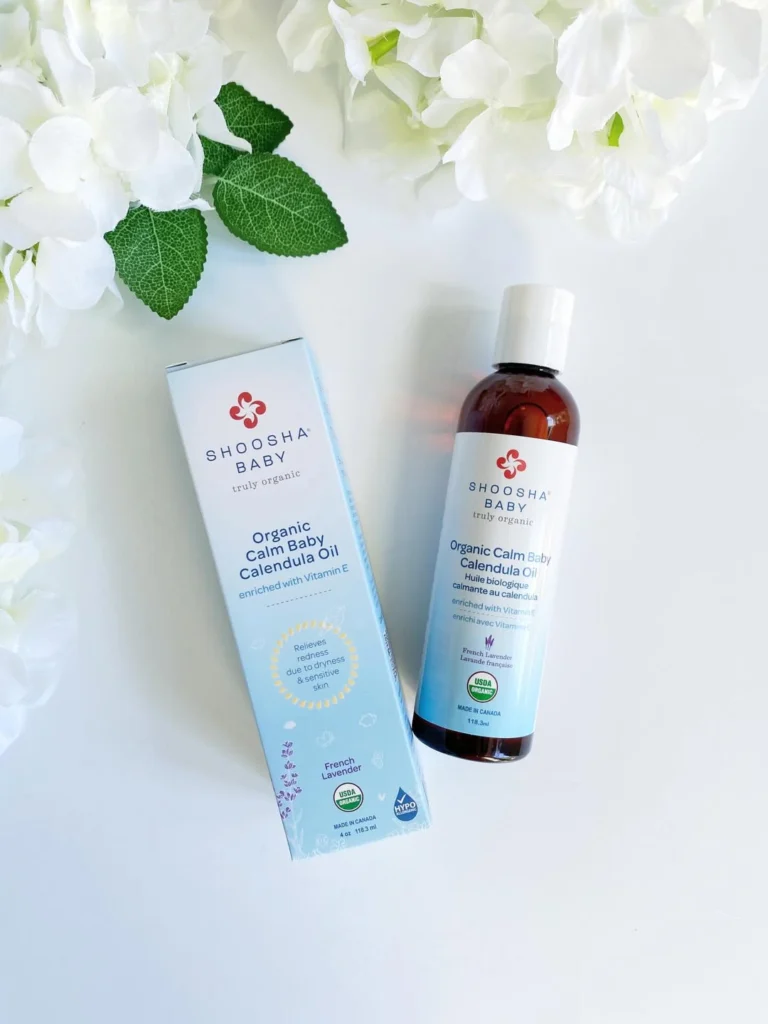
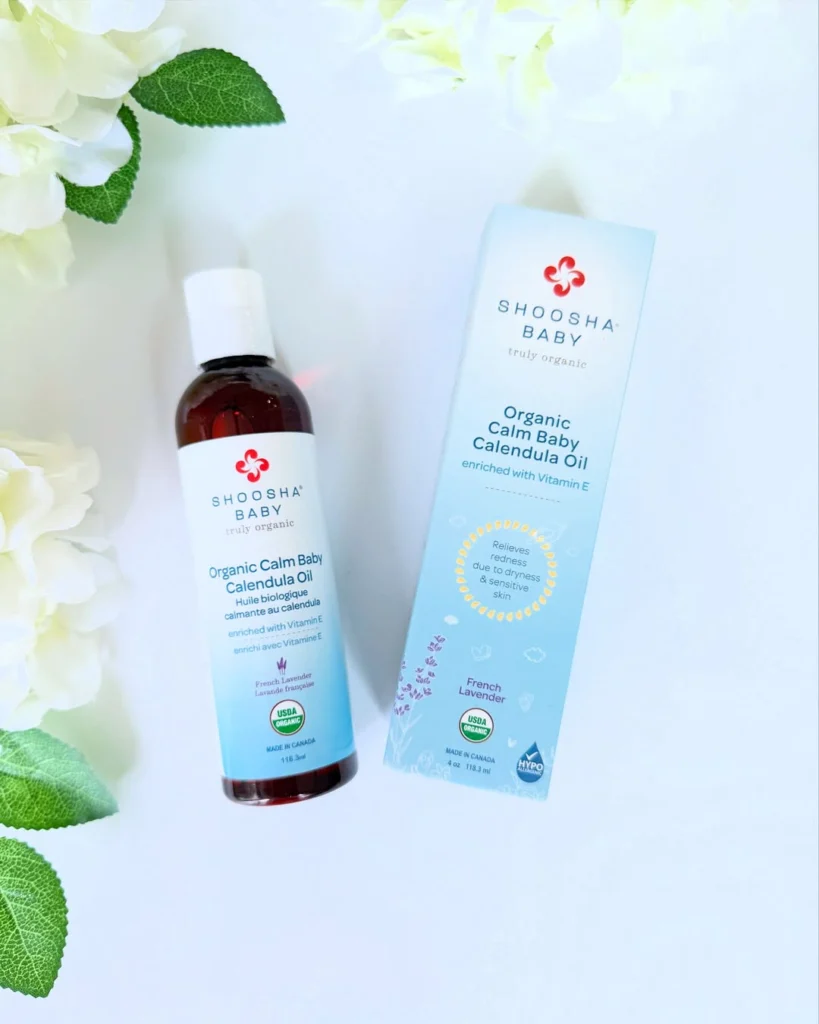
Shoosha Certified Organic Baby Oil
🌿 Shoosha Organic Calm Baby Calendula is a USDA Certified Organic Baby Oil. It moisturizes while protecting your baby’s delicate skin. It calms redness, flakiness, irritation, and dryness. Made with organic calendula, which is healing, nourishing, and anti-inflammatory
Use it as an Organic baby moisturizer, organic baby massage oil, and organic bath oil, both for babies and for adults, for softer and healthier skin. Made in Canada
🌿It comes in a Lavender or unscented version recommended for newborns under six months of age and for eczema skin.
It provides 24-hour moisture to a baby’s skin, calms the cradle cap, super dry and irritated skin, and sensitive and eczema-prone skin. Only 5 nourishing ingredients
- ✅ Shoosha is the first brand in North America to offer a complete USDA-certified organic skincare line for babies!
- ✅ USDA-certified organic
- ✅ Food-grade ingredients
- ✅ Biodiversity
- ✅ Made in Canada
- ✅ Women Owned
INGREDIENTS: French Lavender: *Helianthus Annuus (Sunflower) Seed Oil, *Calendula Officinalis Flower Extract, *Cocos Nucifera (Coconut) Oil, *Lavandula Angustiflia (Lavender) Essential Oil, *Rosmarinus Officinalis (Rosemary) Leaf Extract, Tocopherol (Vitamin E). *USDA/NOP Certified Organic Ingredient.
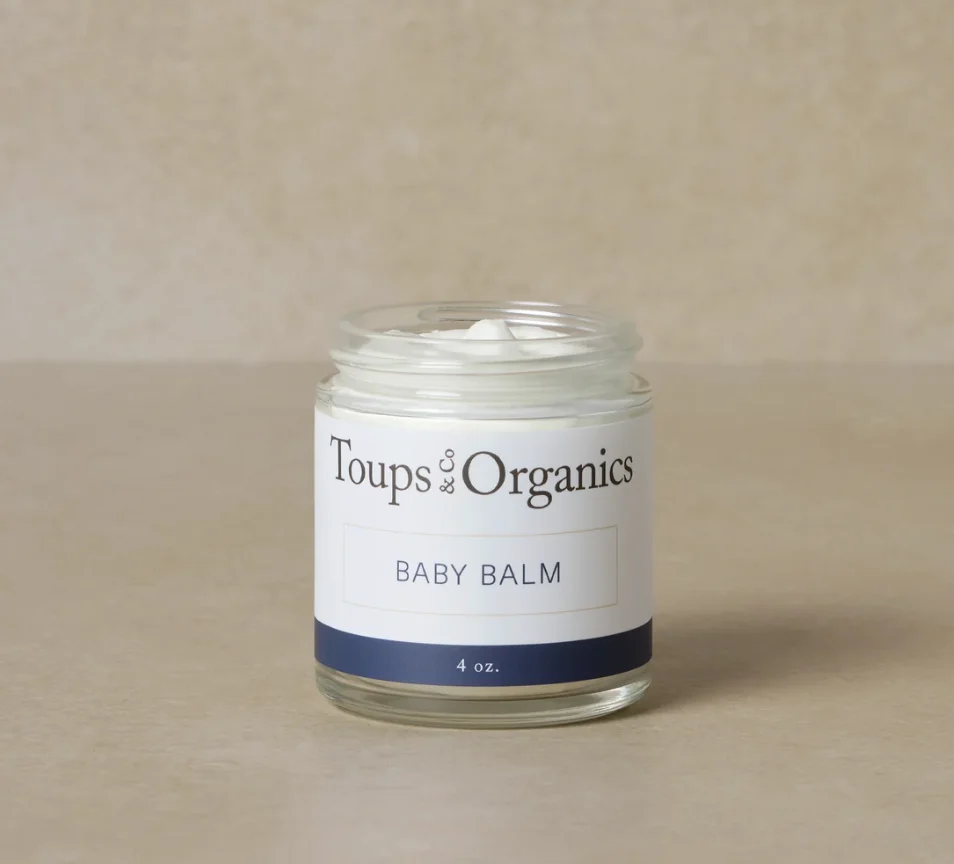
Toups & Co. Organics Baby Balm
🌿 Toups & Co. Organics Baby Balm conquers diaper rash, eczema, and baby acne.
This Organic Baby Balm is made with Organic Tallow Balm from 100% grass-fed and grass-finished cows.
Baby Balm doubles as a diaper rash cream and ointment for dry and irritated skin.
Safe for sensitive skin and created with gentle ingredients.
Made with natural ingredients featuring Grass-fed tallow, organic olive oil, and gentle essential oils meets for a powerful healing blend.
- ✅ Soothe diaper rash
- ✅ Protect your baby’s delicate microbiome
- ✅ Heal cuts and scrapes, cradle cap
- ✅ Feed vitamins to your baby’s skin
- ✅ Heals baby eczema, baby acne, rashes, and more
INGREDIENTS: 100% grass-fed tallow, organic virgin olive oil, organic essential oils of German chamomile and blue yarrow.
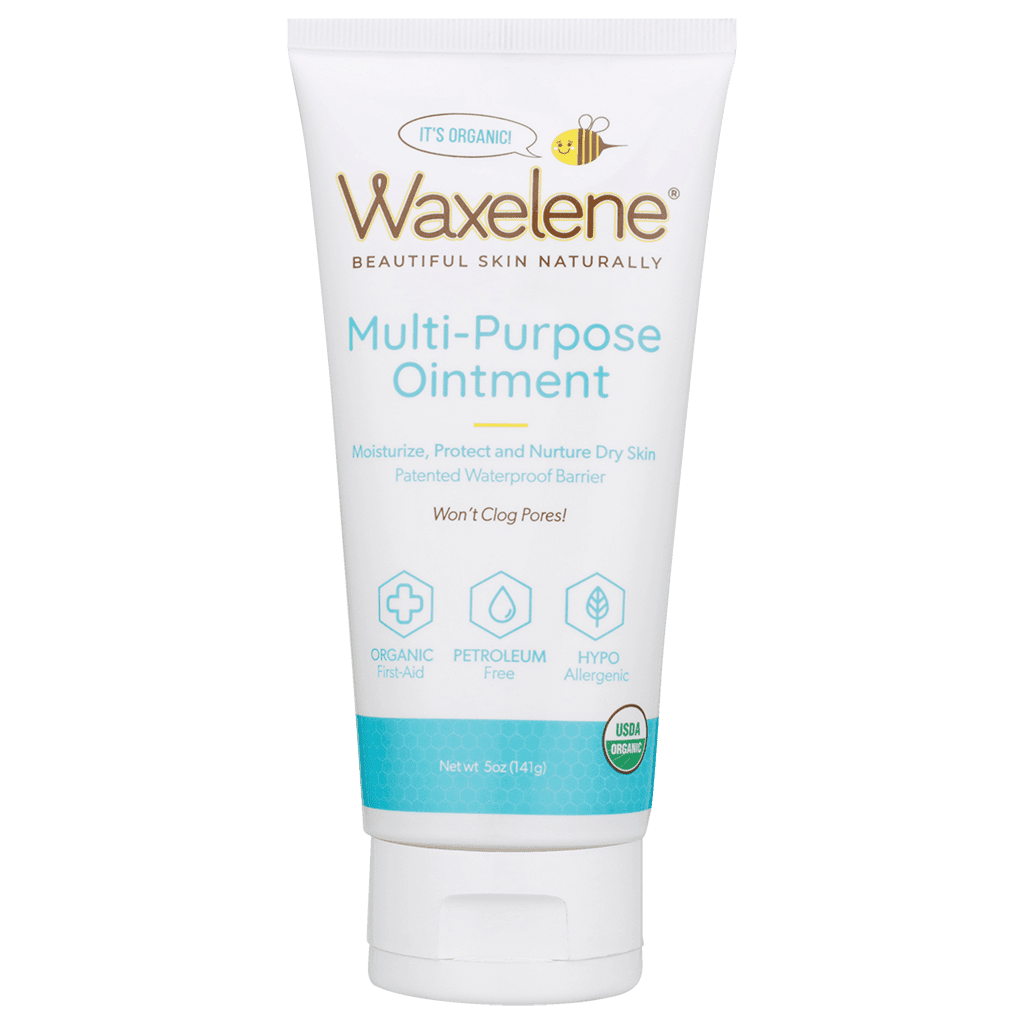
Waxelene Organic Multi-Purpose Ointment
🍃Waxelene Organic Multi-Purpose Balm is formulated to moisturize dry skin while providing a breathable, water-proof barrier to allow cuts, rashes, and irritations to heal. It is a fast-acting treatment for eczema and psoriasis flare-ups.
🍃 This Organic Ointment is made with certified organic, petroleum-free, and hypoallergenic ingredients. It is safe for infants and children.
🍃This silky smooth natural ointment features a unique patented aeration process: by infusing air particles in the ointment, pores are not clogged, and the skin is able to absorb air (which the skin needs to heal) and release toxins.
Great for Eczema, baby eczema, and psoriasis-prone skin is able to heal and stay hydrated for long periods.
- Skincare: Dry Skin, Chapped Lips, Night Cream, Make-up Remover
- Skin Issues: Eczema, Psoriasis, Diaper Rash
- Bay Care: Baby Eczema, Cradle Cap, Minor Scrapes, and Burns
- Hair care: Hair Gel / Styling, Hydrate Split Ends, Dandruff Relief
- Men's Care: Aftershave, and Beard & Moustache Maintenance
- Tattoo Care: Tattoo after repair, Anti-Chafe
- Pet care: Pet Paws, Canine Hot Spots
INGREDIENTS: Organic Soy Oil (Organic Glycine Soja), Organic Beeswax (Organic Cera Alba), Natural Vitamin E Oil (Mixed Tocopherols Oil), Organic Rosemary Oil (Organic Rosmarinus Officinalis Oil)
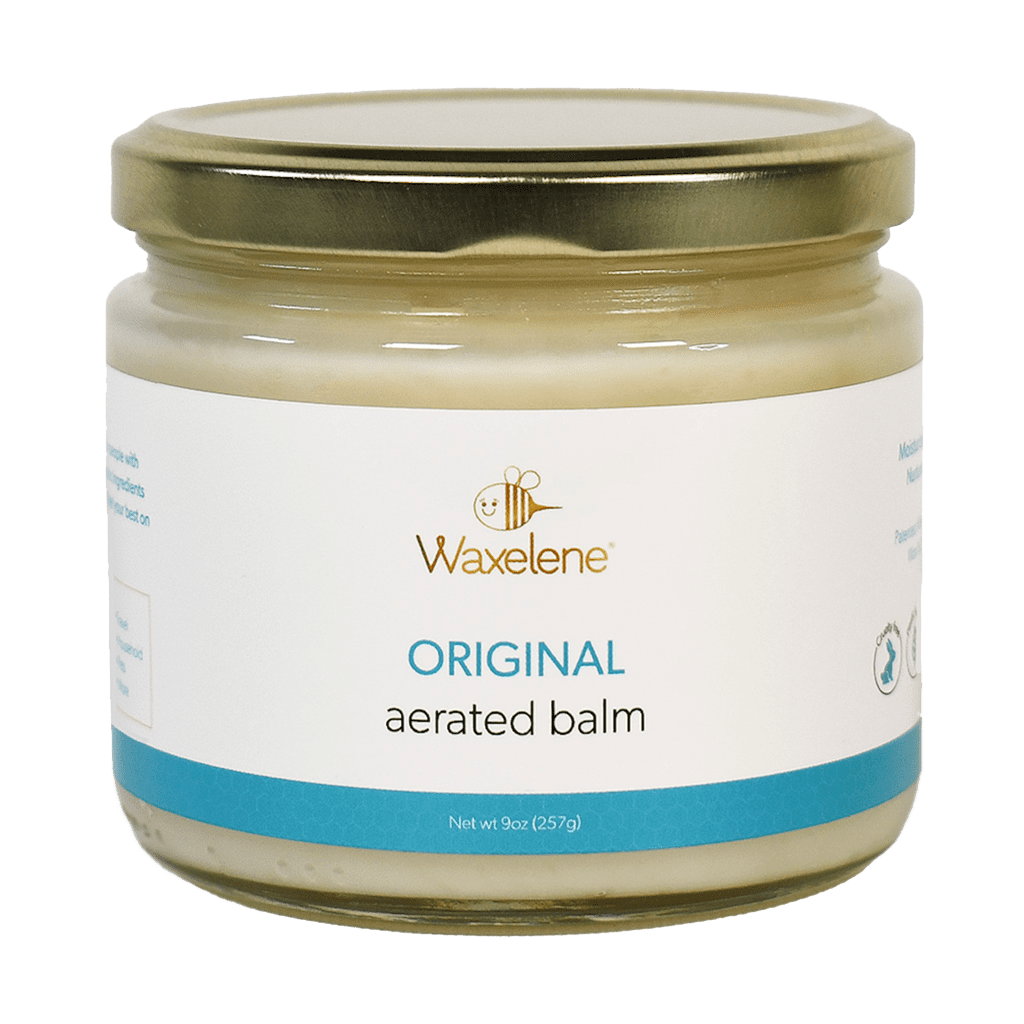
Waxelene Organic Multi-Purpose Balm
🍃Waxelene Organic Multi-Purpose Balm is formulated to moisturize dry skin while providing a breathable, water-proof barrier to allow cuts, rashes, and irritations to heal. It is a fast-acting treatment for eczema and psoriasis flare-ups.
🍃 This organic baby balm is made with certified organic, petroleum-free, and hypoallergenic ingredients. It is safe for infants and children.
🍃This silky smooth natural ointment features a unique patented aeration process: by infusing air particles in the ointment, pores are not clogged, and the skin is able to absorb air (which the skin needs to heal) and release toxins.
Great for Eczema, baby eczema, and psoriasis-prone skin is able to heal and stay hydrated for long periods.
- Skincare: Dry Skin, Chapped Lips, Night Cream, Make-up Remover
- Skin Issues: Eczema, Psoriasis, Diaper Rash
- Bay Care: Baby Eczema, Cradle Cap, Minor Scrapes, and Burns
- Hair care: Hair Gel / Styling, Hydrate Split Ends, Dandruff Relief
- Men's Care: Aftershave, and Beard & Moustache Maintenance
- Tattoo Care: Tattoo after repair, Anti-Chafe
- Pet care: Pet Paws, Canine Hot Spots
INGREDIENTS: Organic Soy Oil (Organic Glycine Soja), Organic Beeswax (Organic Cera Alba), Natural Vitamin E Oil (Mixed Tocopherols Oil), Organic Rosemary Oil (Organic Rosmarinus Officinalis Oil)
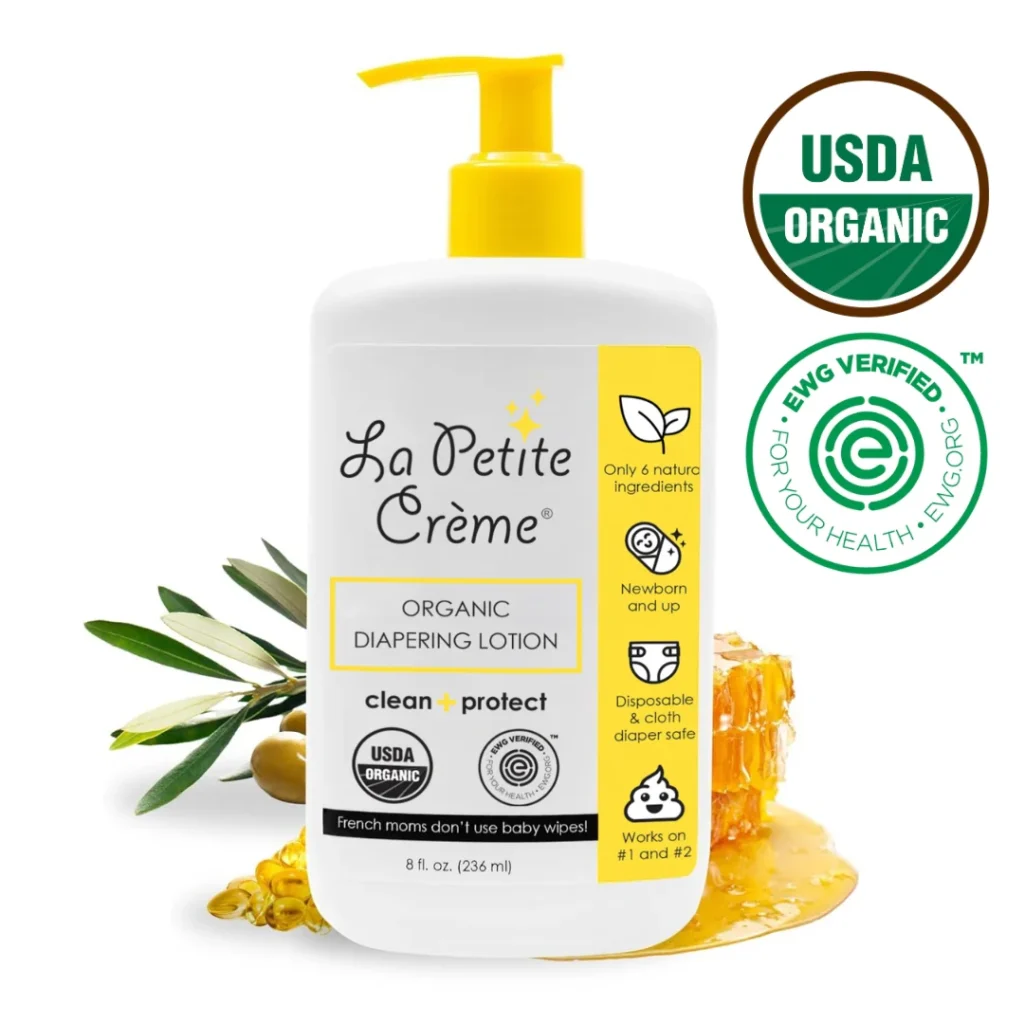
Le Petite Creme Organic Baby Lotion
🌿Le Petite Creme Organic Baby Lotion is made in the USA according to the highest European Standards
✨ This Certified Organic Baby Lotion is made with USDA Certified Organic ingredients, which means its products contain more than 95% of organic ingredients. Le Petite Creme Organic products contain 99.7% certified organic content.
Great for dry skin, dry lips/nose during winter, cradle cap, makeup remover, such as for waterproof mascara, dry scabs
Made with 6 ingredients :
Organic extra virgin olive oil: traps all residues and leaves a protective shield on the skin
Organic beeswax: healing properties
Limestone: is a natural disinfectant.
🐣 La Petite Creme products are designed to be used with either organic cloth diapers or sustainable disposable diapers.
- ✅ USDA Certified Organic
- ✅ EWG Verified
- ✅ Leaping Bunny certified
- ✅ Made in the USA Miami, Florida
INGREDIENTS: Organic extra virgin olive oil, Organic beeswax, Organic vegetable glycerin, Water, Limestone, Vitamin E.
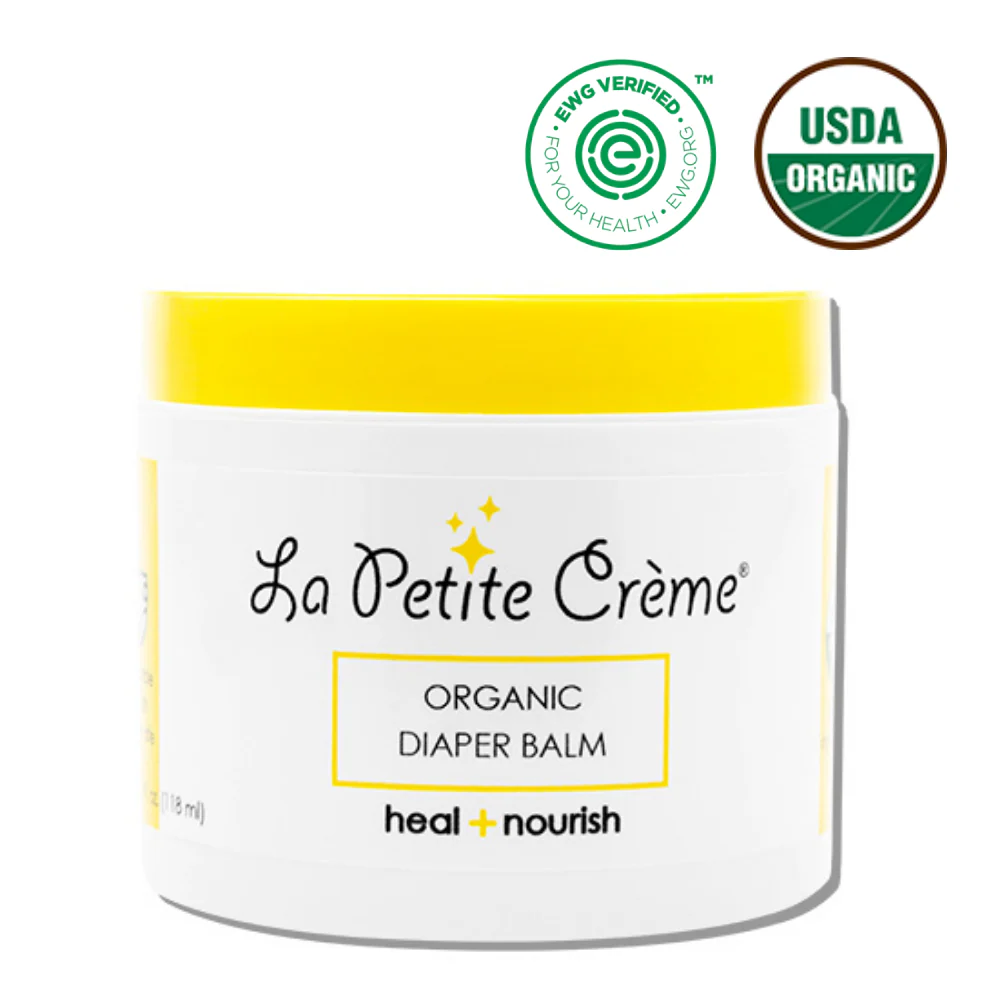
Le Petite Creme Organic Baby Balm
🌿Le Petite Creme Organic Baby Lotion is made in the USA according to the highest European Standards
✨ This Certified Organic Baby Lotion is made with USDA Certified Organic ingredients, which means its products contain more than 95% of organic ingredients. Le Petite Creme Organic products contain 99.7% certified organic content.
Great for dry skin, dry lips/nose during winter, cradle cap, makeup remover, such as for waterproof mascara, dry scabs
Only made with 5 ingredients :
Organic extra virgin olive oil: traps all residues and leaves a protective shield on the skin
Organic beeswax: healing properties
Limestone: is a natural disinfectant.
🐣 La Petite Creme products are designed to be used with either organic cloth diapers or sustainable disposable diapers.
- ✅ USDA Certified Organic
- ✅ EWG Verified
- ✅ Leaping Bunny certified
- ✅ Made in the USA, Miami, Florida
INGREDIENTS: Organic extra virgin olive oil, Organic beeswax, Water, Limestone, Vitamin E.
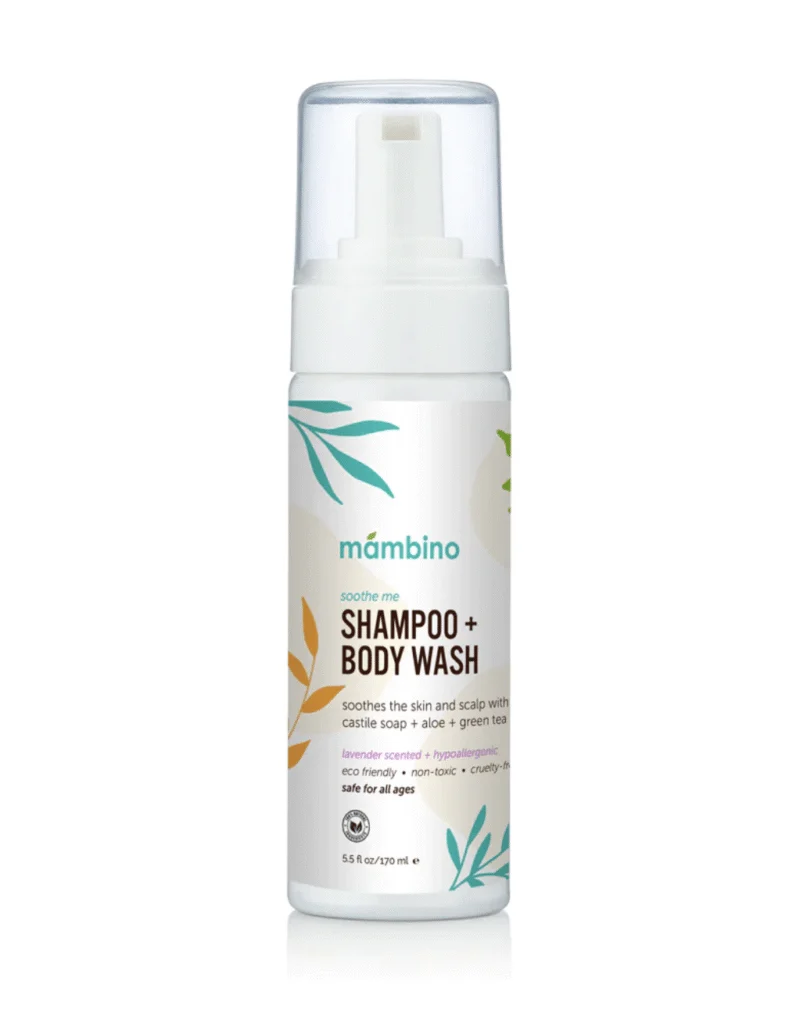
Mambino Organic Shampoo & Body Wash
🌿 Mambino 2-in-1 gentle foaming cleanser is perfect for everyday use on the face, body, and hair. It is suitable for infants, toddlers, and beyond, and is specially formulated for reactive and sensitive skin, cradle cap, and itchy, dry skin.
🌿This organic baby wash is made with all-natural and organic castile soap and infused with soothing botanicals that promote natural immunity building from day one. It effectively nourishes, soothes, and protects the baby's skin while providing a gentle, detergent-free clean. It's easy to use with a convenient foaming pump and washes out instantly from hair. Plus, it's free of all petrochemicals, synthetic surfactants, foaming agents, formaldehyde, or phthalates, making it a safe and healthy choice for your little one.
INGREDIENTS: saponified cocos nucifera (organic coconut) oil, saponified olea europaea (organic olive) oil, saponified simmondsia chinensis (organic jojoba) oil, vegetable glycerin, aloe barbadensis (organic aloe) leaf juice, camellia sinensis (organic green tea)leaf extract,rosmarinus officinalis (rosemary) leaf extract, lavandula angustifolia (lavender) oil. Organic content: 74% Certified Organic / Sustainable Packaging and Fair Trade Practices / Never Tested on Animals
Shop Now with on the brand website or Shop on Amazon
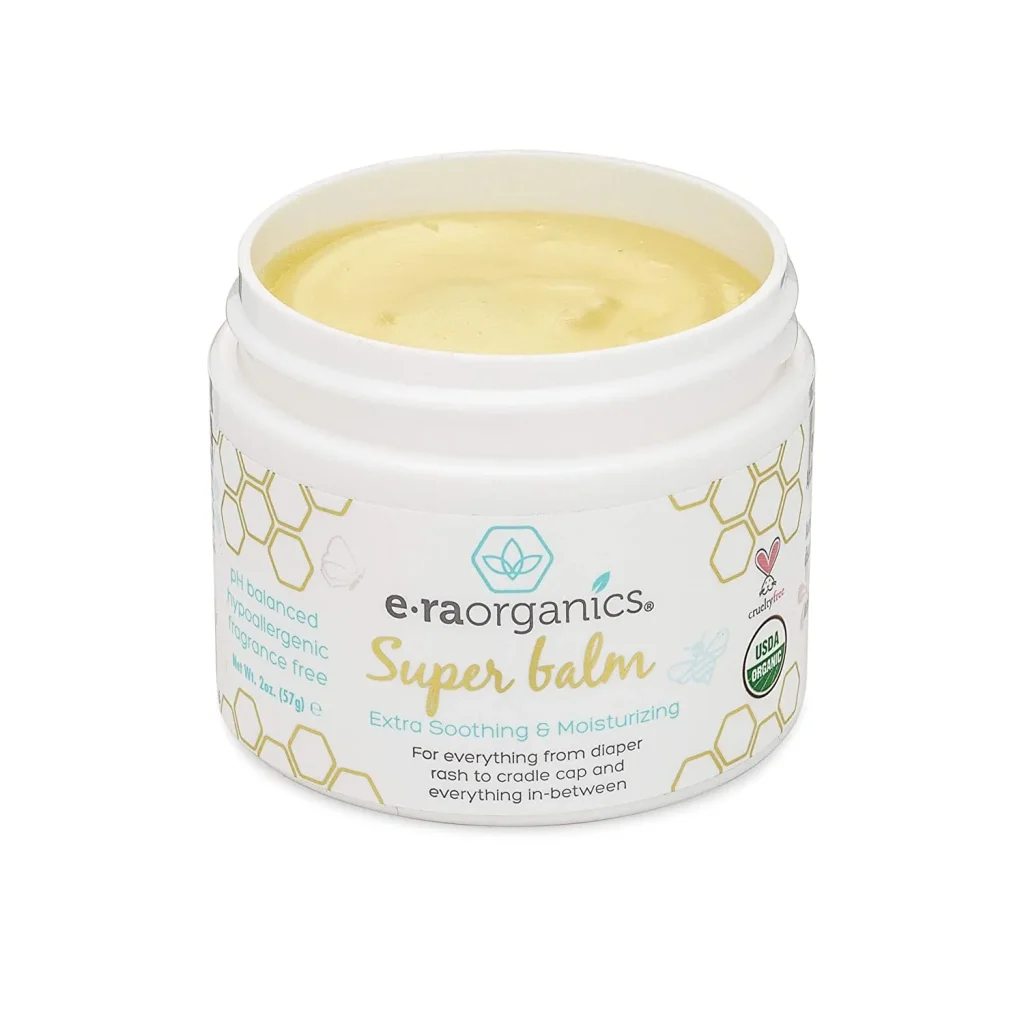
Era Organics Healing Ointment for Babies
🍃Era Organics Healing Ointment for Babies for Sensitive Skin. For everything from baby eczema to cradle cap and everything in between.
🍃Extra Strength Organic Formula. Soothe itchily, and irritated-looking skin with the first application. Boost recovery and nourish the skin the more you use it. Best natural baby healing ointment for delicate skin prone to baby eczema, baby acne, cradle cap (Infant Seborrheic Dermatitis), chapped nose, hives, skin rashes, and more.
🍃Made For Delicate Skin
All are scientifically proven to help alleviate and heal the skin. 🌸 👶
INGREDIENTS: Organic Chickweed and Chamomile infusion in Organic Sunflower Oil, Organic Castor Oil, Organic Beeswax, Organic Cocoa Butter, Organic Vegetable Glycerin, Organic Coconut Oil, Organic Arrowroot Powder, Organic Calendula Oil, Organic Avocado Oil, Organic Rosehip Seed Oil, Organic Arnica Oil, Organic Gluten-Free Oats, Organic Rosemary Extract, Non-GMO Mixed Tocopherols.
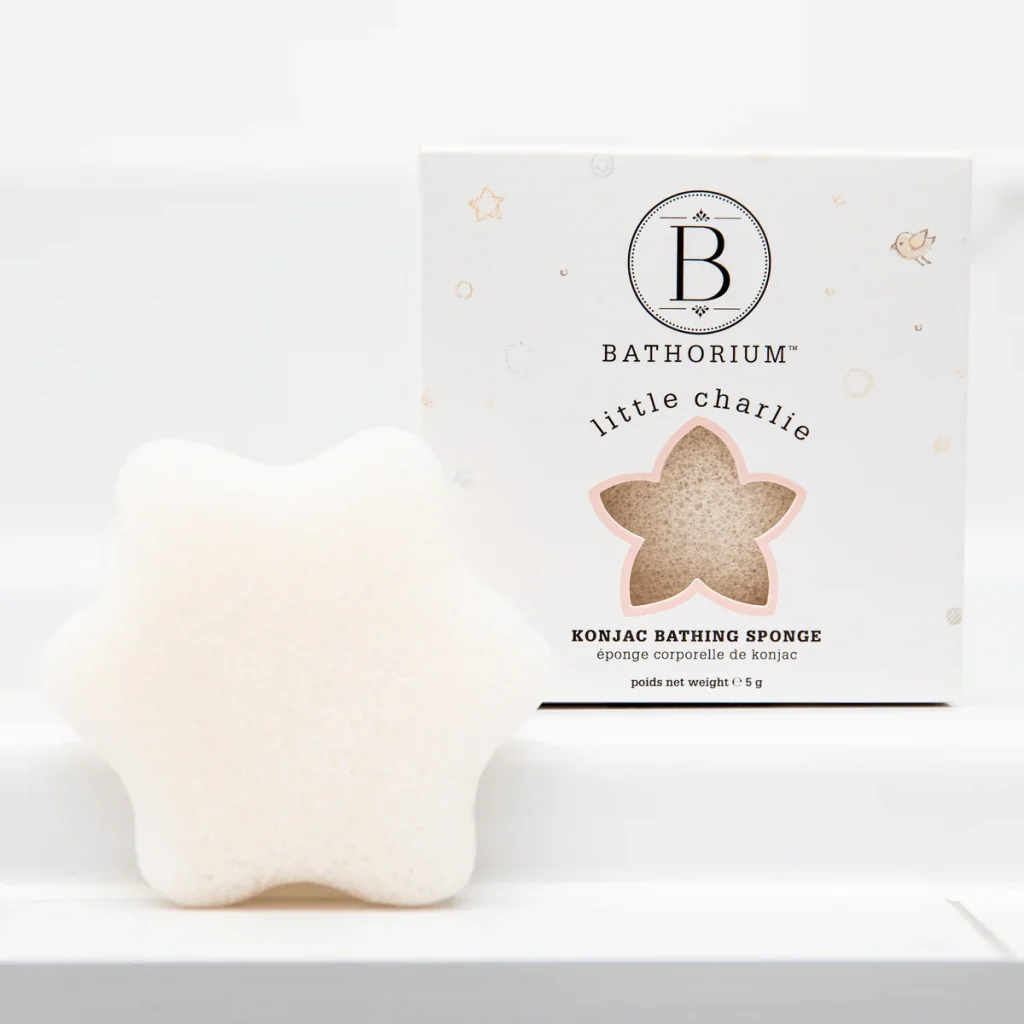
Bathorium Baby Sponge
🌿 Bathorium Baby bath sponges loofahs gently cleanses and refreshes your child's skin with this hand-harvested, plant-based konjac sponge crafted for their sensitive skin and baby eczema.
This naturally antibacterial sponge deeply cleanses skin without the buildup of bacteria typical of traditional loofas or sponges.
Konjac sponges were invented by Japanese farmers and were originally used to wash babies' skin because the sponge is so gentle and natural.
This natural sponge is:
- ✅ Crafted from 100% natural vegetable fibers
- ✅ Gentle enough to use daily
- ✅ Biodegradable & compostable
- ✅ For dry skin sensitivities like cradle cap, psoriasis and eczema
- ✅ Made in Canada
MATERIAL: 100% natural vegetable fibers
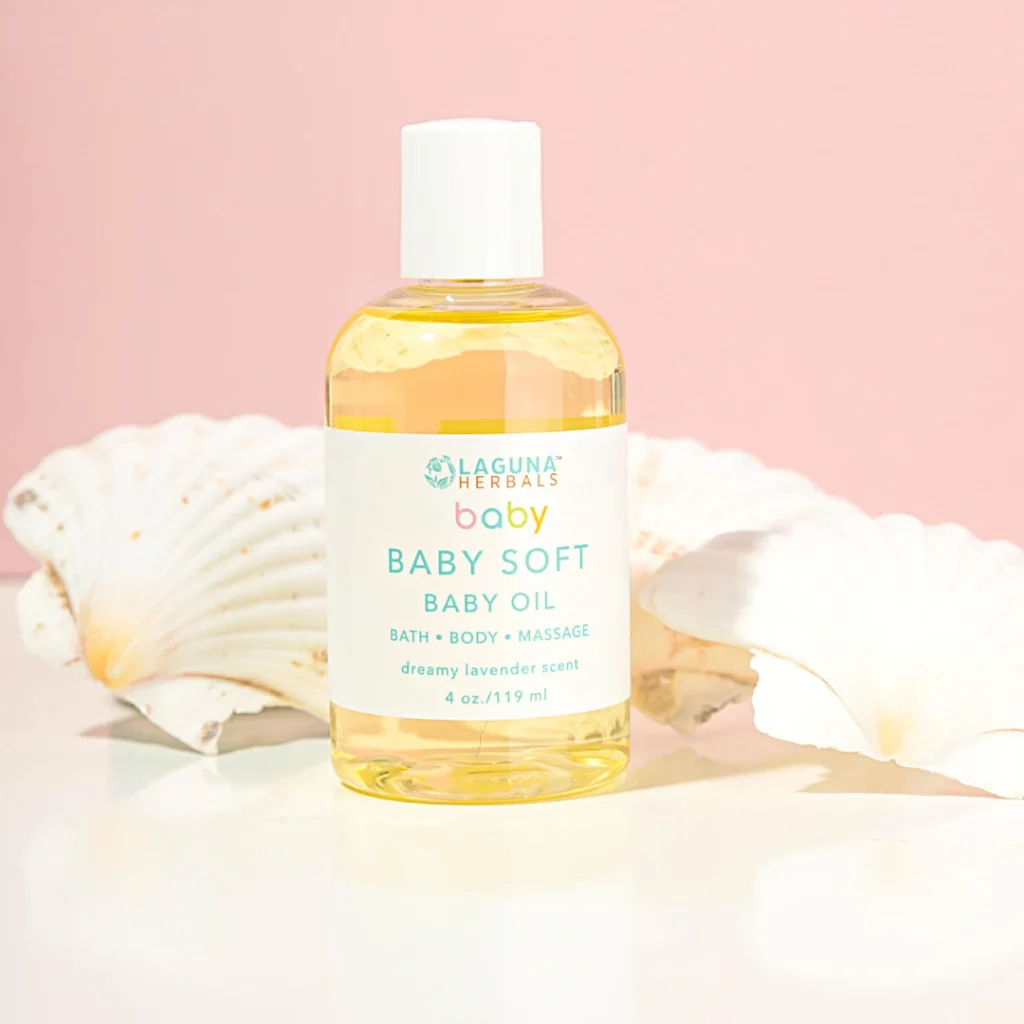
Laguna Herbals Organic Baby Oil
🍃Laguna Herbals Organic Baby Oil
This Organic Baby Oil is made with certified organic ingredients, including relaxing organic lavender.
It suitable for all skin types, even the most sensitive.
It targets dryness, rash, and Irritation. This multi-purpose oil can be used for body, bath, and even scalp to help soothe cradle cap.
Made with
Apricot Kernel Oil is hydrating and naturally rich in vitamins A, B, and GLA.
Chamomile is great for baby's skin because it can help to prevent discomfort to keep baby's delicate skin soothed and protected.
Rose contains vitamin C to help lock moisture into the skin.
- ✅ Certified organic ingredients
- ✅ Vegan
- ✅ Glass bottle
INGREDIENTS: *Helianthus Annus (Sunflower) seed oil, *Carthamus Tinctorius(Safflower) oil, *Prunus Armeniaca (Apricot Kernel) oil, *Anthemis Nobilis(Chamomile), *Rosa Dama Scena (Rose), *Lavendula Officinalis(Lavender), *Calendula Officinalis (Calendula), non-GMO vitamin E, essential oil of lavender *certified organic ingredients
Not Recommended
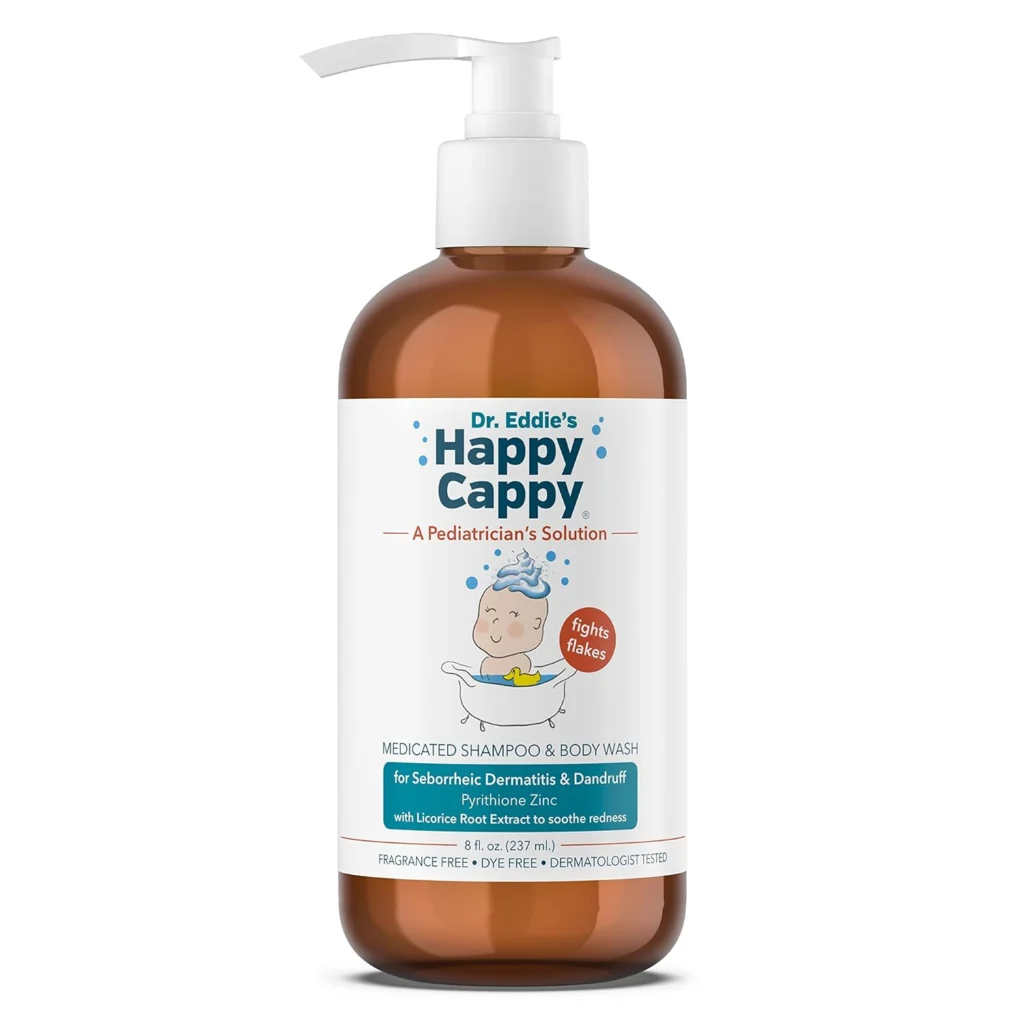
❌ Not Recommended: Happy Cappy Dr
I don't recommend Happy Cappy Dr. Eddie’s Medicated Shampoo
What a mix of ingredients!!
INGREDIENTS: Active Ingredient: Pyrithione Zinc; Inactive ingredients: Water (Aqua), Glycerin, Sodium Lauroyl Methyl Isethionate, Sodium Laurylglucosides Hydroxypropylsulfonate, Cocamidopropyl Hydroxysultaine, Acrylates Copolymer, Pyrus Malus (Apple) Fruit Extract, Phenoxyethanol, Sodium Chloride, Guar Hydroxypropyltrimonium Chloride, Sodium Hydroxide, Dipotassium Glycyrrhizate, Panthenol, Ethylhexylglycerin, Citric Acid.
❌ Pyrithione Zinc: Classified as expected to be toxic or harmful
❌ Phenoxyethanol: adverse effects on the central and peripheral nervous systems, linked to allergic contact uritica, and dermatitis. Classified as toxic or harmful. Made by the reaction of corrosive phenol with carcinogen ethylene oxide.
❌ Ethylhexylglycein: Classified as an irritant, this substance causes serious eye damage. This substance is harmful to aquatic life with long-lasting effects.
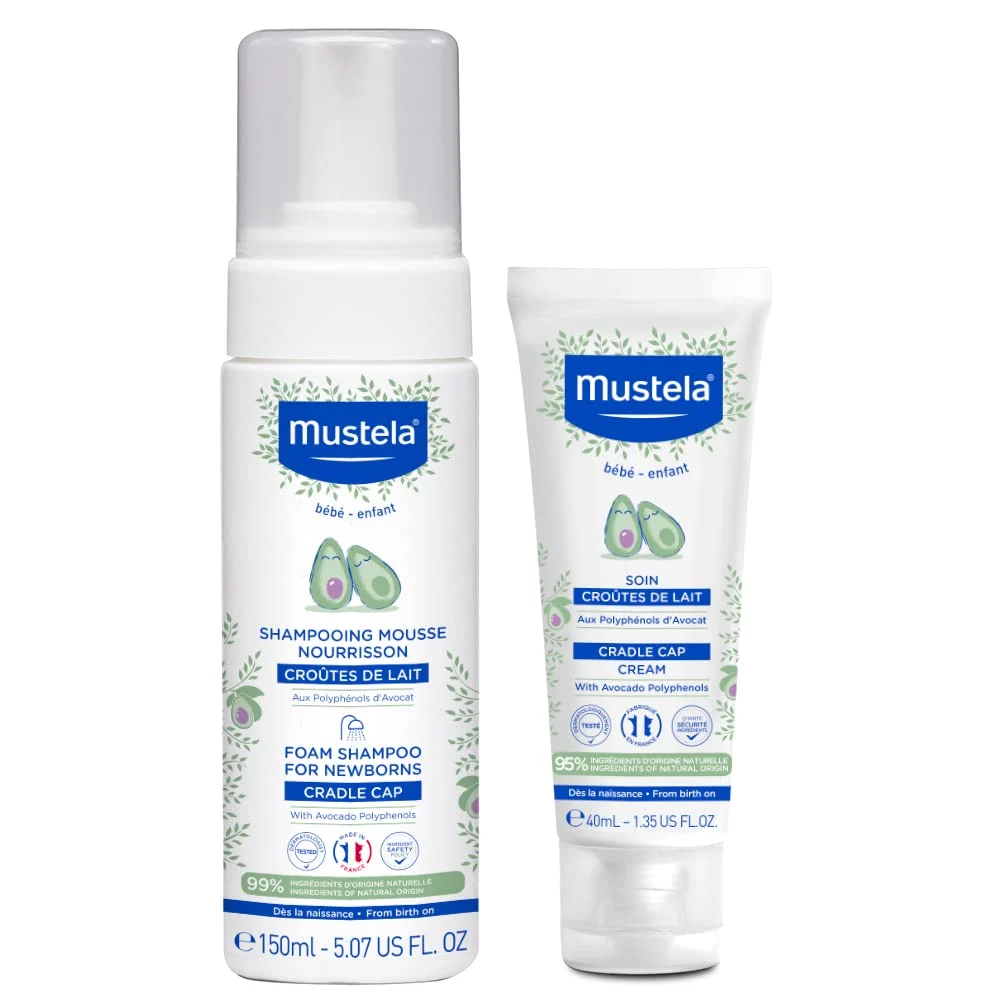
❌ Not Recommended
I don't recommend Mustela Cradle Cap Fragrance-Free Baby Shampoo & Cream for Baby
Mustela, a popular French baby skincare brand, has faced scrutiny over product safety and contaminants. A 2009 Campaign for Safe Cosmetics report tested baby products and found several Mustela items—like its Baby Shampoo, Dermo-Cleansing Gel, and Multi-Sensory Bubble Bath—contained 1,4-dioxane (up to 4.2 ppm) and formaldehyde (up to 340 ppm), both probable carcinogens that can form during manufacturing.
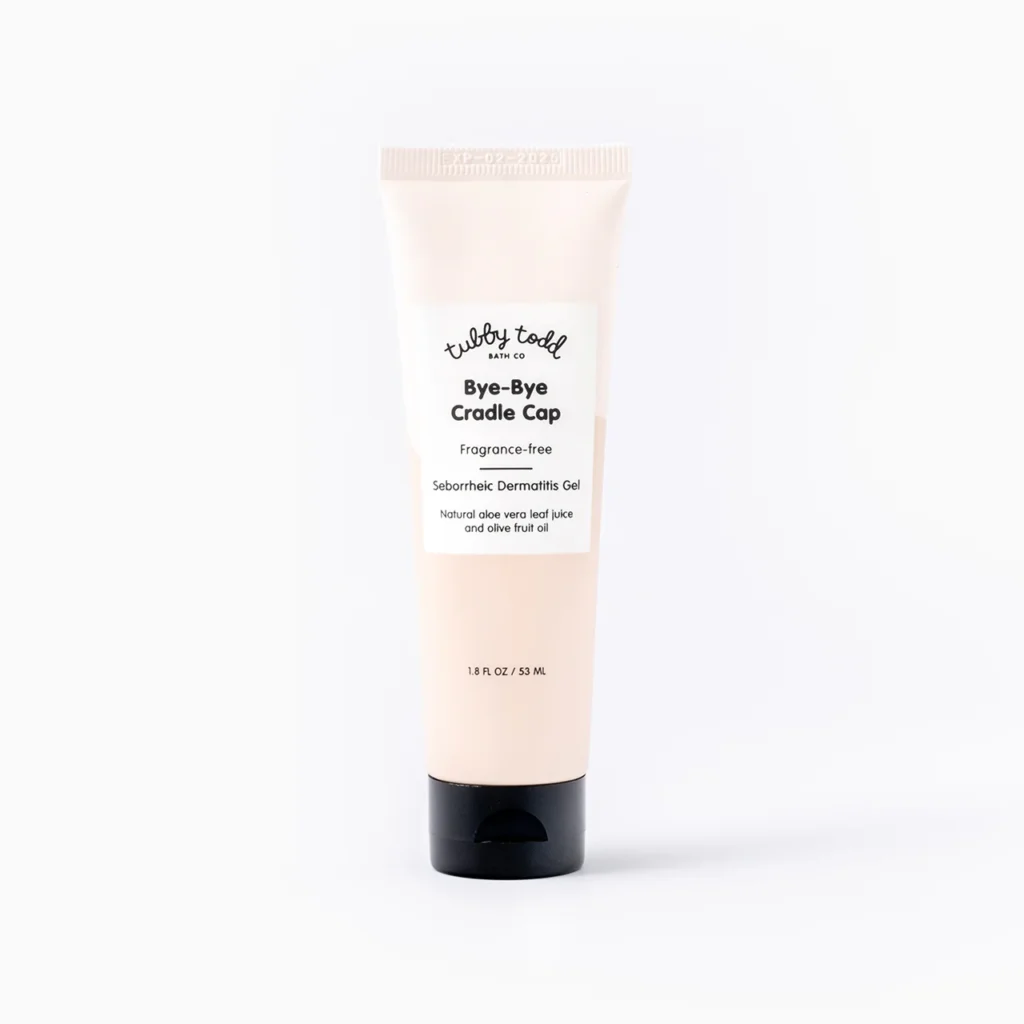
❌ Not Recommended: Tubby Todd Cradle Cap
I don't recommend Tubby Todd Cradle Cap
INGREDIENTS: Active Ingredients: zinc pyrithione .95%
Inactive Ingredients: aloe barbadensis leaf juice,camellia sinensis leaf extract*,citric acid,cucumis sativus (cucumber) fruit extract*,decyl glucoside,glycerin,hydroxypropyl starch phosphate,lonicera caprifolium (honeysuckle) flower extract,lonicera japonica (honeysuckle) flower extract,mangifera indica (mango) fruit extract*,olea europaea (olive) fruit oil*,persea gratissima (avocado) fruit extract*,saccharomyces ferment filtrate,water,xanthan gum
*Organic ingredient
❌ Pyrithione Zinc: Classified as expected to be toxic or harmful