Natural Antibiotics

Conventional Antibiotics
About 47 million antibiotic are prescribed yearly for infections that don’t need antibiotics. At least 30% of these antibiotic prescriptions were unnecessary. Antibiotics can be necessary to fight infections and diseases caused by bacteria, but the potential side effects and overuse can’t be ignored. Antibiotics removes harmful bacteria and good bacterial strains. Studies show it can takes years some beneficial bacteria to return to their prior levels, allowing resistant “bad strains” to run more rampant.
Typical are Mupirocin, Neosporin, Bacitracin, Neomycin and Gentamicin
❌ Topical Antibiotic: Antibiotic Resistance and Overuse of antibiotics, including systemic (oral/injectable) ones, can contribute to the emergence of resistant bacteria. Topical antibiotics can occasionally cause local allergic reactions or skin sensitization.
❌ Petrolatum-derived: some individuals may develop allergic contact dermatitis. Many topical antibiotic ointments (such as mupirocin) utilize polyethylene glycol (PEG) bases.
❌ Conventional topical antibiotics: are applied for skin issues contains parabens, silicones, or plastics, this product is preservative-free.
❌ Over-the-counter (OTC): can cause allergic reactions and have been linked to toxicity in some cases, particularly with prolonged use
Greenwashing Antibiotics
Avoid greenwashing natural antibiotics made by brands that pretend to be organic, all natural, when they are not. They will use their marketing tricks to convince you to buy their products.
❌ Phenoxyethanol: preservative classified as an irritant, toxic, and harmful. Can have adverse effects on the central and peripheral nervous systems, linked to allergic contact uritica and dermatitis. Made by the reaction of corrosive phenol with carcinogen ethylene oxide. Exposure to phenoxyethanol has been linked to reactions ranging from eczema[2] to severe, life-threatening allergic reactions.[3] Infant oral exposure to phenoxyethanol can acutely affect nervous system function.[4]
❌ Ethylhexylglycerin: Harmonized classification: This substance causes serious eye damage. Severe eye damage observed in animal testing. Classified as an irritant, this substance causes serious eye damage. Severe eye damage was observed in animal testing. Liver effects observed at low doses in repeat-dose studies in rats. This substance is harmful to aquatic life with long-lasting effects. Ethylhexylglycerin: highly relevant, sensitizer in ‘hypo-allergenic’ cosmetics. To report on 13 patients who presented with allergic contact dermatitis caused by ethylhexylglycerin.
The Best Natural Antibiotics
Here you will find the best organic antibiotic options made with natural and effective ingredients.
I found these natural antibiotic alternatives, natural topical antibiotics made with organic ingredients to target for cuts, rash, minor injury, eczema, and dermatitis. No side effects. Safer for adults and kids.
The Best Natural Topical Antibiotics
- 🌿 Manuka Honey: Medical-Grade Honey is recognized for its strong antibacterial properties. Studies show that manuka honey can effectively inhibit the bacteria responsible for impetigo in laboratory (in vitro) trials. By Using Medical Manuka Honey you are covering the antiviral and antibiotoics part. Manuka Honey is increasingly being used in clinical settings, particularly in wound care, due to its ability to promote healing and reduce infection rates. Studies show its ability to stimulate macrophages, enhancing the immune response and aiding in tissue repair.
- 🌿 Aloe Vera: Aloe vera can be used to soothe the skin irritation and itching associated with impetigo. While some studies indicate that aloe vera extract has antimicrobial activity against bacteria like Staphylococcus aureus in laboratory (in vitro) settings
- 🌿 Tea tree oil: Known for its antimicrobial and anti-inflammatory properties, it can be applied topically to help fight the bacteria, but it must be diluted in water or a carrier oil to avoid further irritating the skin
The Best natural oral antibiotic
There are natural and effective alternatives, such as Fermented Garlic Honey and Oil of Oregano.
-
🌿 Manuka Honey is recognized for its potent antibacterial properties, making it a valuable natural alternative to conventional antibiotics. Manuka Honey offers antibacterial properties against various pathogens. Research indicates that it is particularly effective against antibiotic-resistant strains. The Unique Manuka Factor (UMF) rating system quantifies the antibacterial strength of Manuka honey. Higher UMF ratings indicate greater antibacterial potency, with values above 10 being considered therapeutically usefull.
- 🌿Oregano: has antibacterial, antimicrobial, and antiviral properties, amongst many other potential benefits. To treat fungal infections on your skin, add one drop of oregano essential oil per teaspoon of a carrier oil such as olive or coconut oil. Apply the mixture to the affected area.
- 🌿Fermented Garlic Honey: has immunomodulatory, antioxidant, anti-inflammatory, and antibacterial properties and may help relieve unwanted respiratory symptoms.
-
🌿 Garlic (allicin): Strong broad‑spectrum antibacterial effect; often taken raw or as a capsule for internal infections and oral health.
The Best Natural Antibiotics Brands
- 🌿 New Zealand Manuka Honey 10% off code: PRETTYORGANICGIRL
Shop with my links to support my research!💖

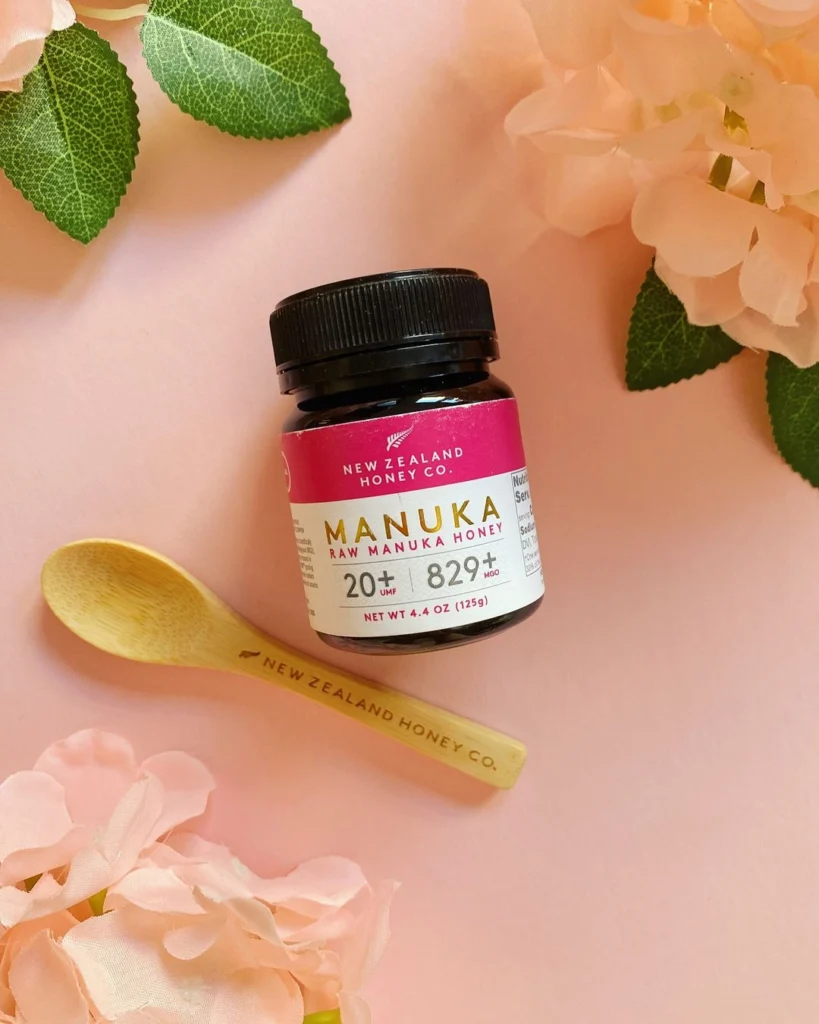
New Zealand Manuka Honey Co.
🌿 New Zealand Manuka Honey Co. is my number one Mānuka Honey brand recommendation. Not all Mānuka Honey brands are approved, since it is an expensive product, there are many fake brands on the market.
Authentic Mānuka Honey is made in New Zealand, and Unique Mānuka Factors UMF™ is certified by Unique Mānuka Factor Honey Association (UMFHA) independently tests and certifies every batch. To learn more here.
New Zealand Manuka Honey Co. is an approved and certified brand that makes authentic Mānuka Honey: they harvest this honey from hives in remote and undisturbed locations around Aotearoa, New Zealand, where the air and landscape are clean and free from pesticides.
Antibacterial, anti-inflammatory, antimicrobial, and energy boosting, it supports the respiratory system, promotes digestive and gastrointestinal health, fights cough and colds, and soothes the throat, for teeth and gum health. It is also great to make a DIY luxurious organic face mask or organic hair mask.
🐝 Mānuka Honey as a topical skin remedy is a natural humectant, and it helps to moisturize skin. The antioxidants in honey also help to prevent oxidation and cellular damage, which can have anti-aging effects on the skin to assist recovery from cold sores, shingles, scars, and eczema. It improves acne, dandruff, and rosacea when applied topically, remedies breakouts, helps wounds to heal, and supports the natural recovery from burns or as an organic after-sun.
Manuka honey can support proper hydration, helping the body absorb electrolytes and water.
🌿 New Zealand Manuka Honey Co. is Non-GMO, certified by The Detox Project to be glyphosate and agricultural pesticide-free.
- ✅ 100% New Zealand Made, ethically produced
- ✅ Traceable To The Source: Every jar of monofloral manuka honey has a unique QR code.
- ✅ Laboratory Tested: Every batch is tested and verified for authenticity and purity.
- ✅ Glyphosate-free Certified
- ✅ Halal Friendly: All of their Manuka Honey is approved as Halal by FIANZ.
- ✅ Packaged in BPA Free PETE plastic🌟
INGREDIENTS: Authentic Manuka Honey
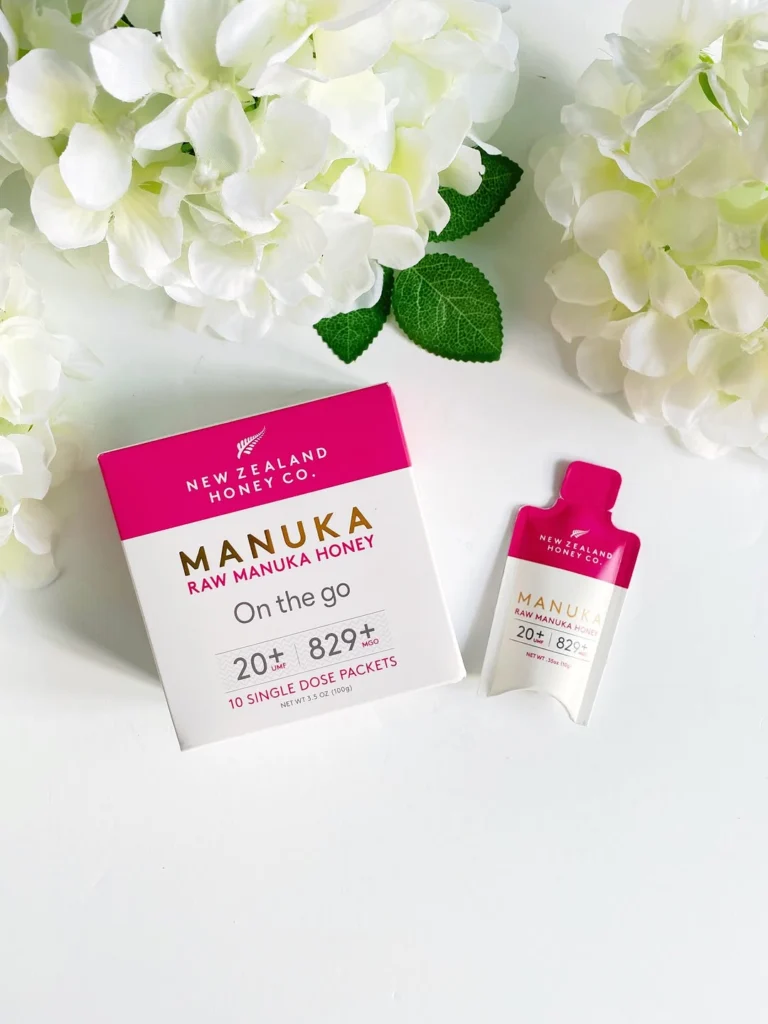
New Zealand Honey Co. Authentic Manuka Honey
New Zealand Manuka Honey is my number one Manuka Honey brand recommendation!
👉There are so many fake Manuka Honey on market including one very popular found in major grocery stores and online. Many are not third party certified by the New Zealand official certification and they are still sold as top brands!
New Zealand Honey Co. has been my fav for years and now it is expanding their line with new products!
🐝If you don’t know what Manuka Honey is, consider it as the king of the honey. It is a superfood used by local indigenous Māori for the natural medicinals properties internally and for the skin!
🍯Authentic Manuka Honey is only derived from the flower of the Manuka tree only found in New Zealand and certified by UMFHA to have unique Manuka factor by licensed companies!
⭐️Higher in their rate and higher is their medicinal property.
🌿Antibacterial, antiviral, anti inflammatory, antimicrobial, energy booster and incredible delicious, everyone should have Manuka Honey at home !
✨To support the immune system, respiratory system (lungs & nose), digestive and gastrointestinal health, to fight colds, cough, for teeth and gums health, for wound healing and skin conditions as cold sores, herpes and impetigo
🌸For organic beauty mask and hair mask. From kitchen, home remedies, beauty treatments! Manuka Honey does it all! To kit in your organic fist aid kit. Great for travel and to carry your organic flight kit essentials.
- ✅ Certified authentic
- ✅ MGO Certified
- ✅ Non-GMO Project
- ✅ Glyphosate free
INGREDIENTS: Authentic Manuka Honey
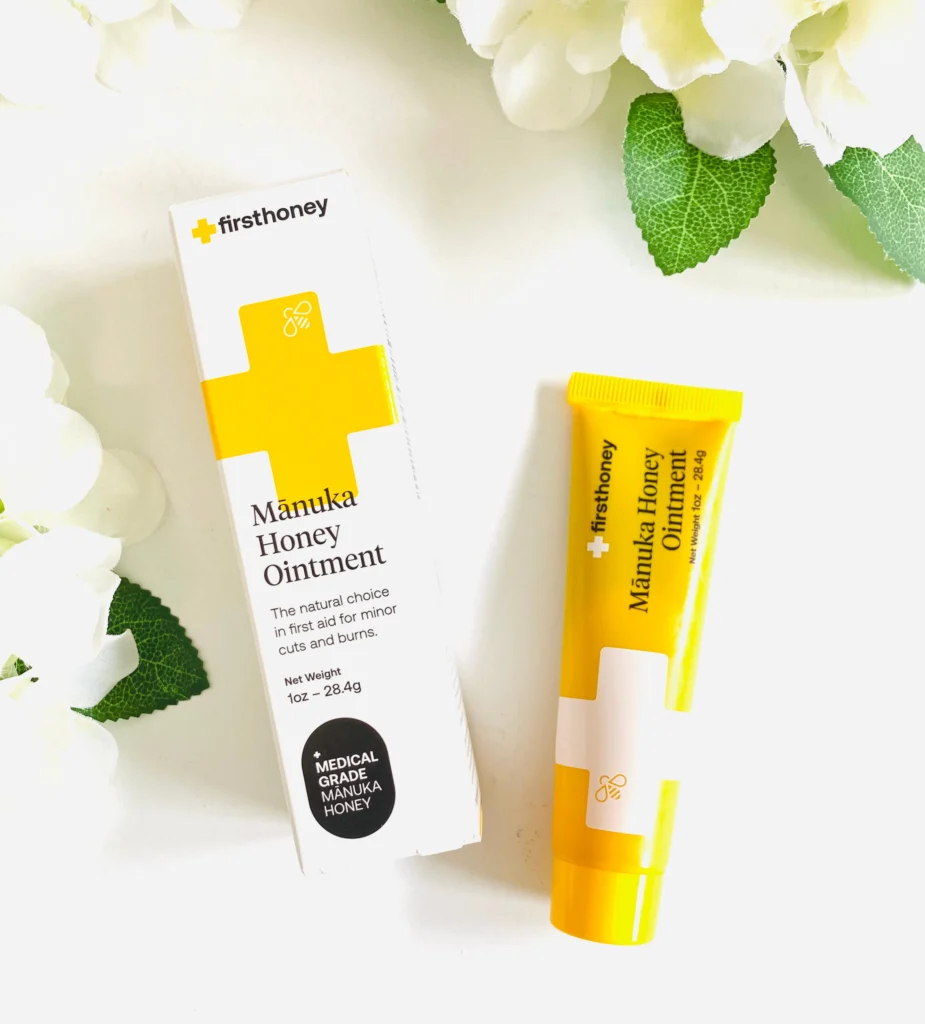
First Honey Manuka Honey Ointment
🌿This Organic Skin Healing Ointment contains the superfood, Manuka Honey.
This is a sterile and easy-to-apply ointment that creates the ideal healing environment for minor wounds, cuts, and burns. The low pH level aids the wound healing process. Keep it in your organic first aid kit.
With its natural antibiotic properties, typical of only Medical Grade Manuka Honey, it provides infection protection, reduces discomfort, and minimizes scarring.
🍯Medical Grade Manuka Honey is often used as a natural topical remedy for cold sores and impetigo due to its potential antiviral and antibacterial properties.
Their farms are monofloral, meaning there’s no cross-pollination with other plants, resulting in the production of the highest-quality rated active Manuka Honey.
🍃Sterile Honey has healing properties because it offers natural bioactivity and high viscosity, which helps to provide a moist protective barrier to protect from infection and minimize scarring.
🌷ISO 13485 Certified Medical Device: First Honey Sterile Honey Ointment is manufactured in a certified ISO 13485 facility, so it’s extremely potent when it comes to healing minor abrasions, lacerations, minor cuts, minor scalds, and burns.
I recommend applying it with an organic cotton swab!
- ✅ Natural antibiotic properties
- ✅ Natural antiviral properties
- ✅ Natural antibacterial properties
INGREDIENTS: 100% medical-grade active Manuka Honey
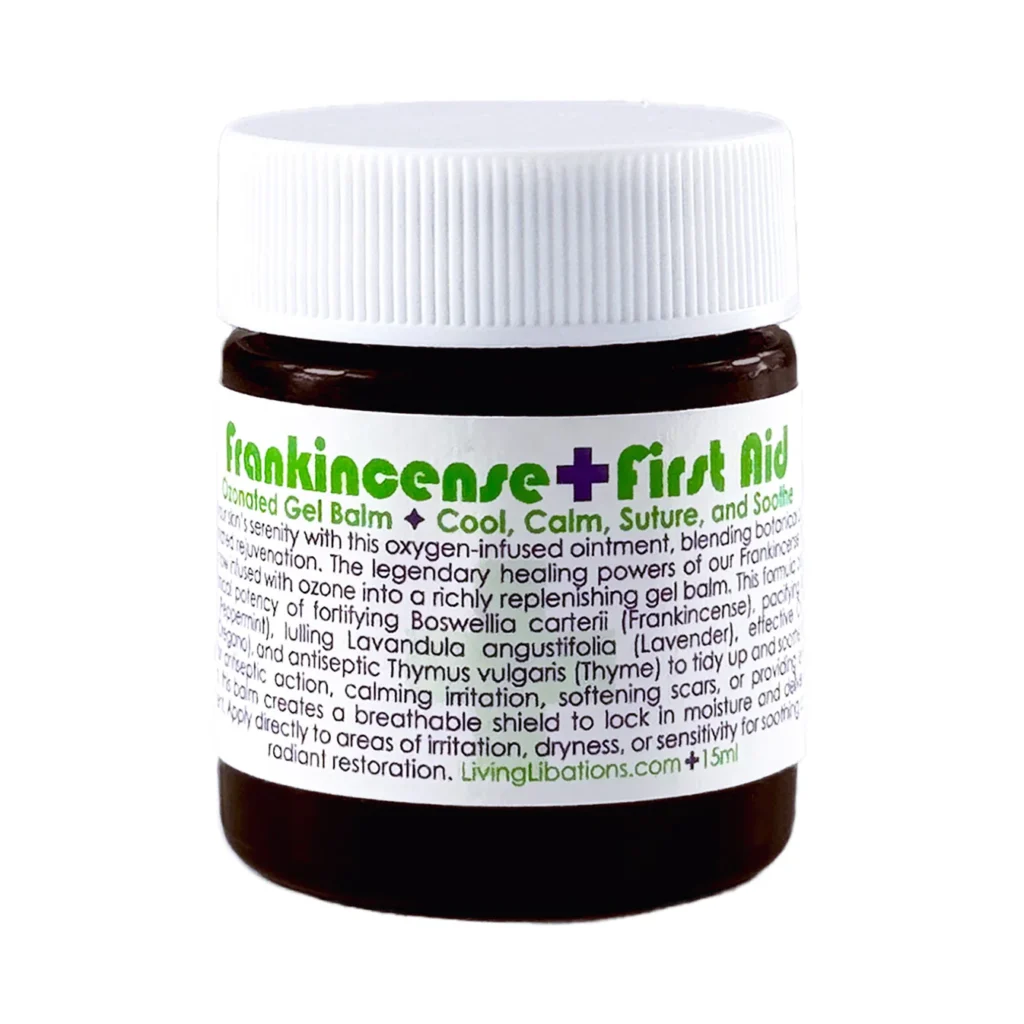
Living Libations Frankincense First Aid
🌿Living Libations Frankincense First Aid
This potent balm is a all natural first aid gel made with powerful natural ingredients.
It is infused with the same synergistic blend of fortifying Frankincense, calming Peppermint, restorative Lavender, protective Oregano, and purifying Thyme as the essential oil blend, antiseptic, and revitalizing power of ozonated Jojoba.
Infused with ozonated Jojoba, this gel balm deeply nourishes, delivering activated oxygen to replenish and restore skin in need. It forms a soothing moisture veil that locks in hydration and enhances the healing power of botanical biotics—your comforting ally for cooling, calming, and rejuvenating skin after everyday strains and scrapes.
Cool, calm, suture, and soothe your skin with the potent touch of ozonated botanicals.
This gel balm creates a soothing moisture barrier, sealing in hydration while amplifying the healing properties of botanical-biotics.
INGREDIENTS: Ozonated Jojoba, Frankincense, Peppermint, Lavender, Oregano, Thyme
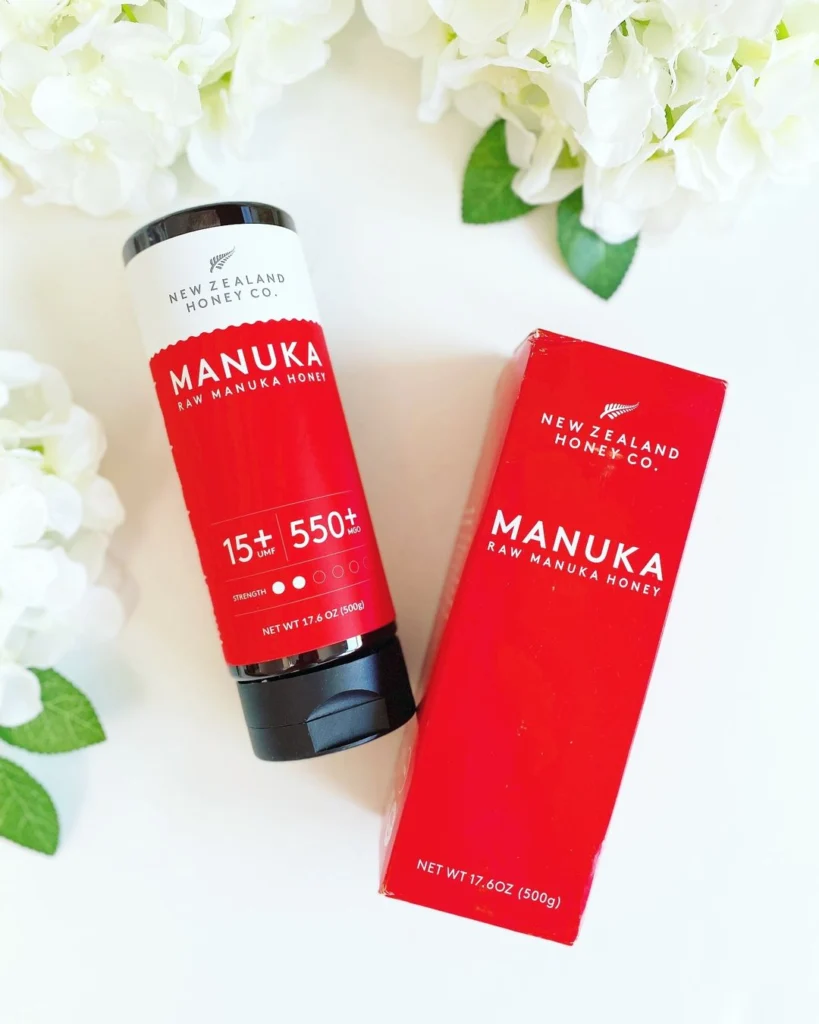
New Zealand Manuka Honey Co.
🍯 Not all Manuka Honey (MH) is the same and as many as 4 out of 5 jars of Mānuka Honey are not authentic!
New Zealand Manuka Honey Co. is my number one Mānuka Honey brand recommendation. Not all Mānuka Honey brands are approved, since it is an expensive product there are many fake brands on the market.
Authentic Mānuka Honey is made in New Zealand and Unique Mānuka Factors UMF™ certified by Unique Mānuka Factor Honey Association (UMFHA) independently tests and certifies every batch. To learn more here.
New Zealand Manuka Honey Co. is an approved and certified brand that makes authentic Mānuka Honey: they harvest this honey from hives in remote and undisturbed locations around Aotearoa New Zealand, where the air and landscape are clean and free from pesticides.
🌿 New Zealand Manuka Honey Co. is Non-GMO, certified by The Detox Project to be glyphosate and agricultural pesticide-free.
UMF 15+ Manuka Honey uses: Eat it straight from the spoon for an immunity boost, add it to smoothies and teas as a healthy sweetener or pair it with other superfoods for an extra wellness kick. It helps with dandruff, acne, and soothes sore throats.
- ✅ 100% New Zealand Made, ethically produced
- ✅ Traceable To The Source: Every jar of monofloral manuka honey has a unique QR code.
- ✅ Laboratory Tested: Every batch is tested and verified for authenticity and purity.
- ✅ Halal Friendly: all of their Manuka honey is approved as Halal by FIANZ.
- ✅ Packaged in BPA Free PETE plastic🌟
INGREDIENTS: Authentic Manuka Honey UMF™15+ MGO514+
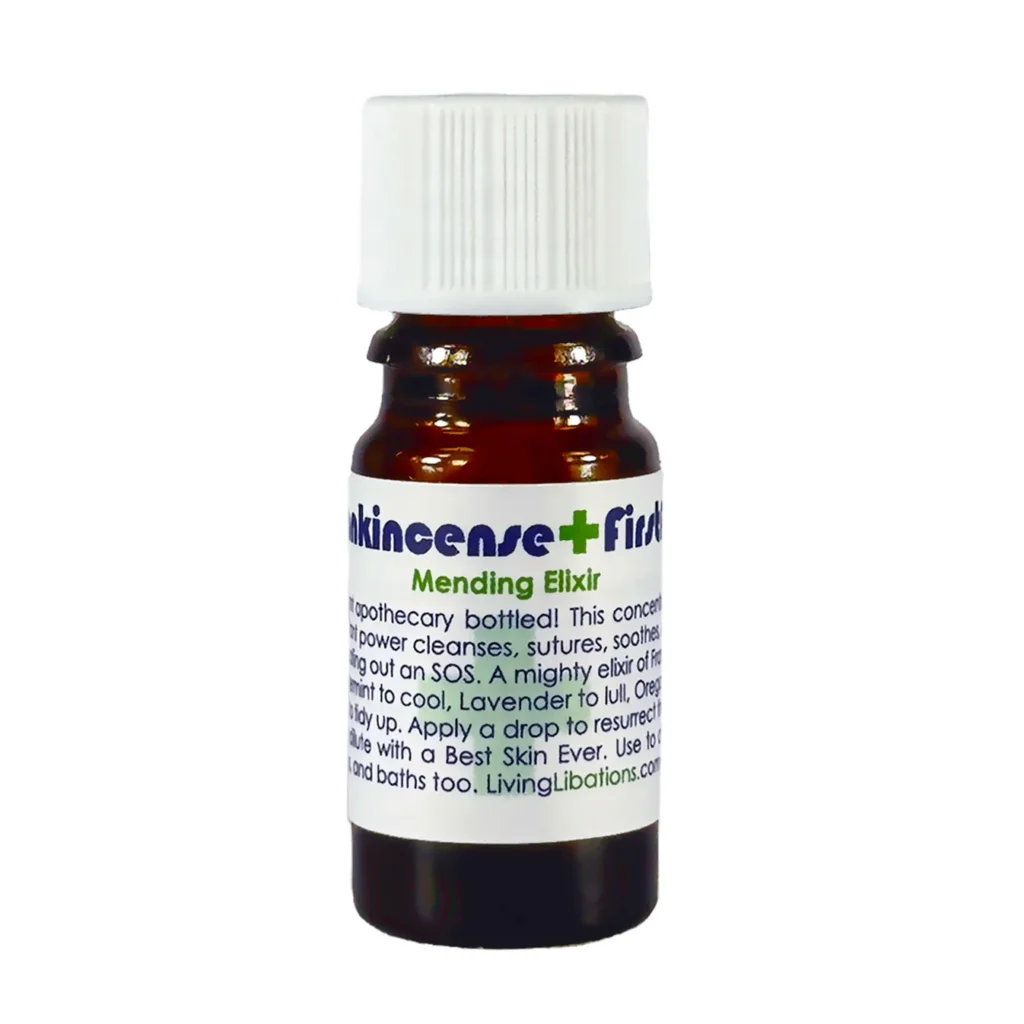
Living Libations Frankincense First Aid
🌿Living Libations Frankincense First Aid
This all-natural first aid is made with powerful natural ingredients.
Frankincense First Aid is a concentrated chrism of potent plant power. It cleanses, sutures, soothes, and pacifies skin that is calling out an SOS.
Together at last, the best botanical biotics are blended into this First Assist Friend. Each essence in this mighty elixir has been hand-picked for its proven powers: Frankincense fortifies, Peppermint calms and cools, Lavender lulls, Oregano shields, and Thyme tidies up. Apply a drop to resurrect the serenity of your skin and bring the body into balance.
- 🌿 Frankincense is great for soothing the appearance of scars.
- 🌿 Wild Oregano oil is an excellent botanical biotic skin shield.
INGREDIENTS: Frankincense, Peppermint, Lavender, Oregano, Thyme
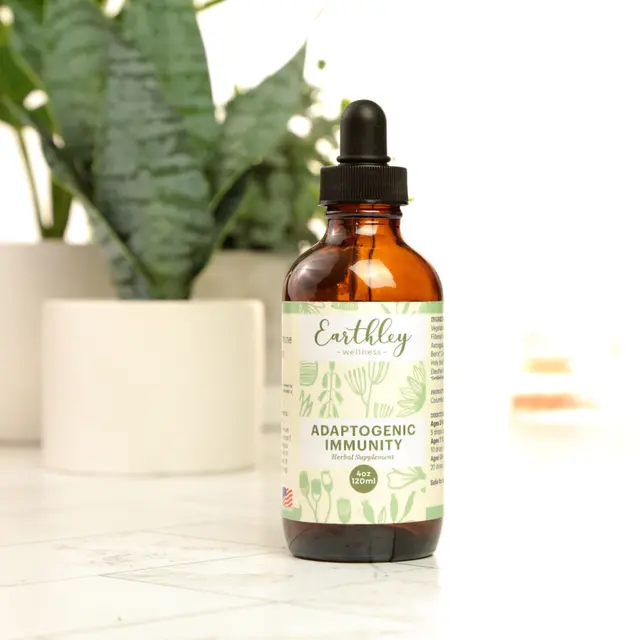
Earthley Organic Adaptogenic Immunity
🌿Earthley Adaptogenic Immunity supports the immune system all year around, especially during autumn and winter seasons.
is a combination of 5 (certified organic) herbs that may help support a healthy immune system, may help improve the body's ability to cope with daily stressors, and may help nourish you to help promote total body wellness!
This is an alcohol-free, botanical liquid that's highly bioavailable and easy to assimilate.
Tested for heavy metals by third-party labs to ensure compliance with strict safety standards.
- May support liver health
- May support adrenal health
- Promotes a healthy stress response
- May promote a healthy blood sugar level
- Adaptogenic
- May support kidney health
- Heavy metals by third-party tested
INGREDIENTS: Organic Glycerin, Filter water, Organic Astragalus Root, Organic Amla Berry, Organic Dandelion Leaf, Organic Holy Basil, Organic Eleuthero Root.
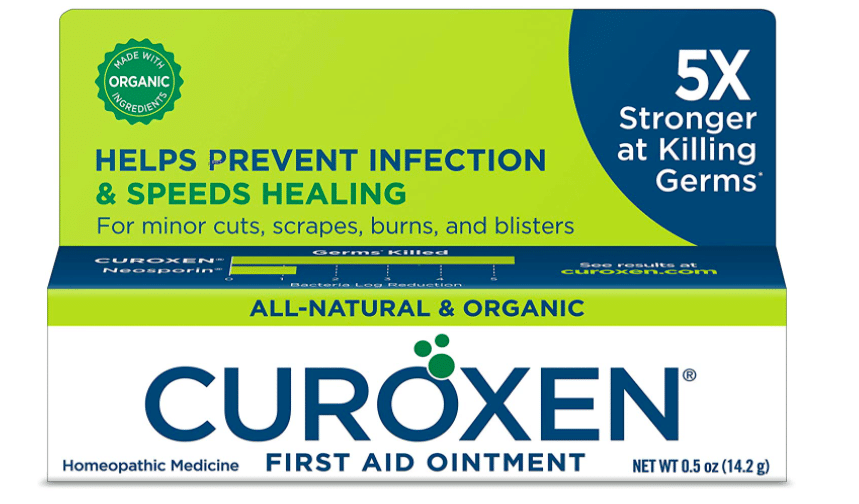
First Aid Antibiotic Ointment
🍃Use it on minor cuts, scrapes, burns, and blisters to help prevent infection and promote healing. CUROXEN kills >99% of harmful germs without the use of synthetic antibiotics.
🌷There are no known allergies or side effects for the natural ingredients used in CUROXEN’s formula, making it safe to use.
It contains four all-natural and organic ingredients – oxygenated olive oil, olive extract, calendula, and essential oil. CUROXEN’s power comes from a proprietary oxygenation process that combines olive oil’s inherent antimicrobial properties with oxygen, creating an extremely effective antimicrobial substrate
INGREDIENTS: Olive Extract, Calendula, Oxygenated Olive Oil, Pure Essential Oil (Lavender)
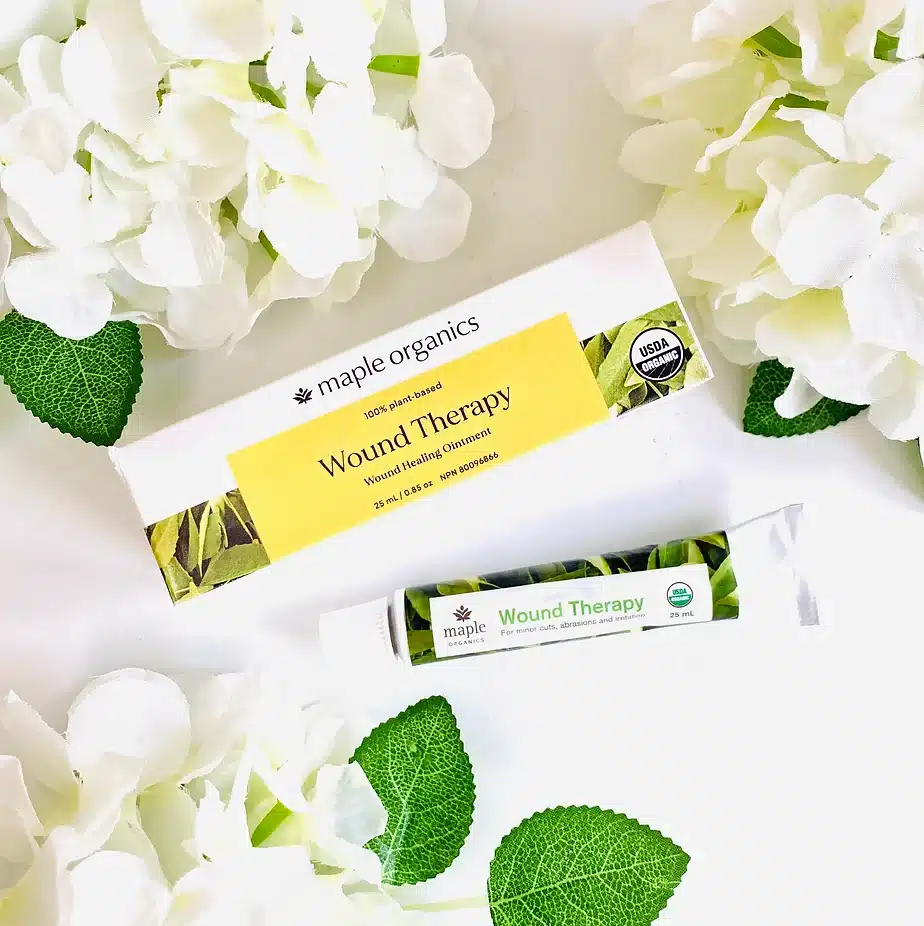
Maple Organics Wound Ointment
💖 Maple Organics is The world's 1st FDA-cleared drug company made entirely of organic ingredients.
🌿Wound Therapy offers a natural, toxin-free alternative to synthetic ointments. Utilizing the antimicrobial properties of tea tree oil, it effectively soothes itching caused by bug bites, including mosquitoes. It is an itch relief and reduces the risk of infection. A gentle, sting-free relief for wounds designed to provide soothing anti-bacterial care while ensuring organic healing care treatment.
💖 This organic wound ointment is a plant-made natural alternative to conventional topical antibiotics and products like Polysporin which aids in healing cuts and abrasions. Keeping the wound area clean and treated can prevent infection. Wound Therapy is effective in relieving skin irritation, cuts, insect bites, and scrapes. It acts as a natural topical antibiotics.
💚Maple Organics was born from a mom who wanted to use the healthiest and most natural medicinal herbs, following family recipes.
🌿I recommend this brand, especially for its commitment to USDA-certified organic pharmacy products!
✅ All-organic skincare and plant-based organic pharmacy products
🌿This product comes in 100% recyclable packaging. Made in Canada from certified organic ingredients always sourced locally first.
✅ USDA Certified Organic Ingredients
INGREDIENTS: Organic Olive Oil, Organic Coconut Oil, Organic Beeswax, Organic Shea Butter, Organic Jojoba Oil, Organic Kokum Butter, Organic Tea Tree Oil, Organic Calendula Oil, Organic Lavender Oil, Vitamin E Natural Source.
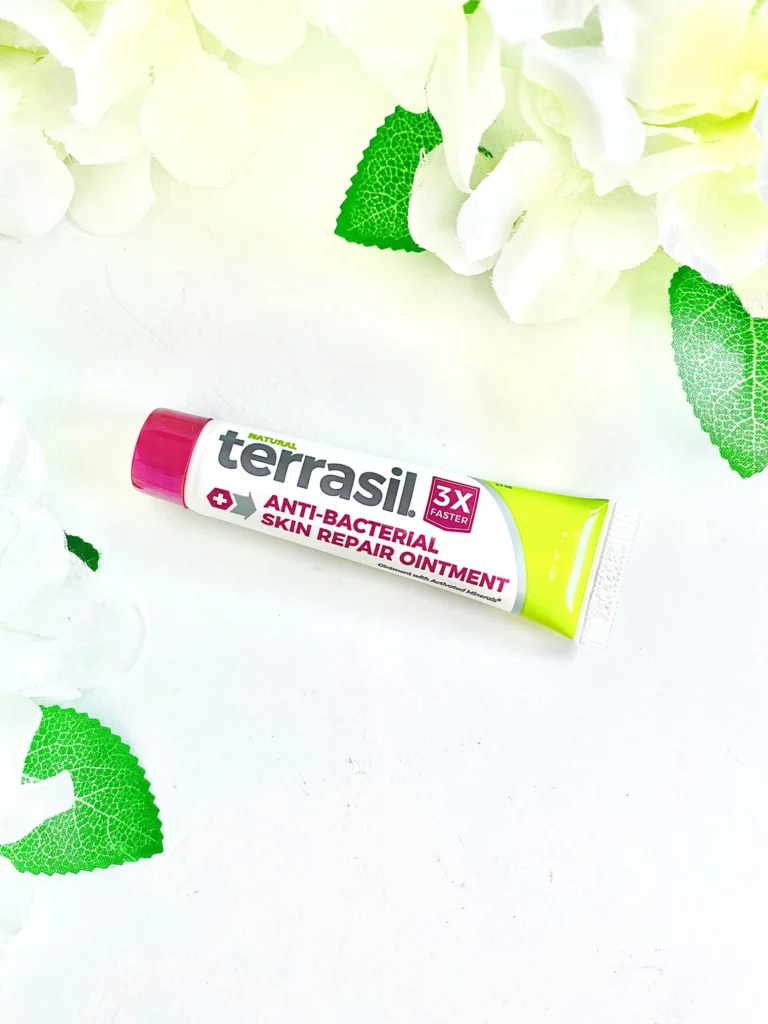
Natural Antibacterial Skin Repair
🍃Sometimes when experiencing seborrheic dermatitis you could develop a secondary bacterial infection, Dermatologists will then prescribe regular antibiotics such as Mupirocin, Neosporin, Bacitracin. They may work at the beginning and then you are back on where you started, plus side effects and withdrawal consequences.
I found this incredible organic alternative that performed way better than the drugs antibiotics plus it won't create withdrawal issues or side effects!
NATURAL, ORGANIC INGREDIENTS mean that you don’t have to worry about harsh chemicals irritating your skin or slowing down healing. All-natural, deep moisturizing formula that is homeopathic:
paraben-free, alcohol-free, dye-free, fragrance-free, non-irritating, soothing, and safe for sensitive skin
-
KILLS BACTERIA 3X FASTER than leading brands, putting you on the road to recovery sooner.
-
PATENTED ACTIVATED MINERALS TECHNOLOGY delivers active ingredients quickly and efficiently right where they are needed.
🌷Terrasil Antibacterial Skin Repair Ointment is good for Cuts scrapes burns fissures boils cellulitis folliculitis impetigo ingrown hairs lichen sclerosis razor burn saddle sores angular cheilitis scalp folliculitis stasis dermatitis acne keloidalis nuchae inflammation of hair follicles skin tears cheilosis perleche angular stomatitis chilblains moisture associated skin damage pitted keratolysis.
INGREDIENTS: Active Ingredients: Calendula 1X HPUS as a healing agent, Thuja Occidentalis 6X HPUS for skin eruption relief. Inactive Ingredients: (Organic) Beeswax, Volcanic clay (bentonite), Magnesium oxide, Peppermint oil, Sage oil, Silver oxide, Simmondsia chinensis (jojoba seed oil) / Cotton seed oil, Tea tree oil, Zinc oxide May contain stearic acid.
Not Recommended
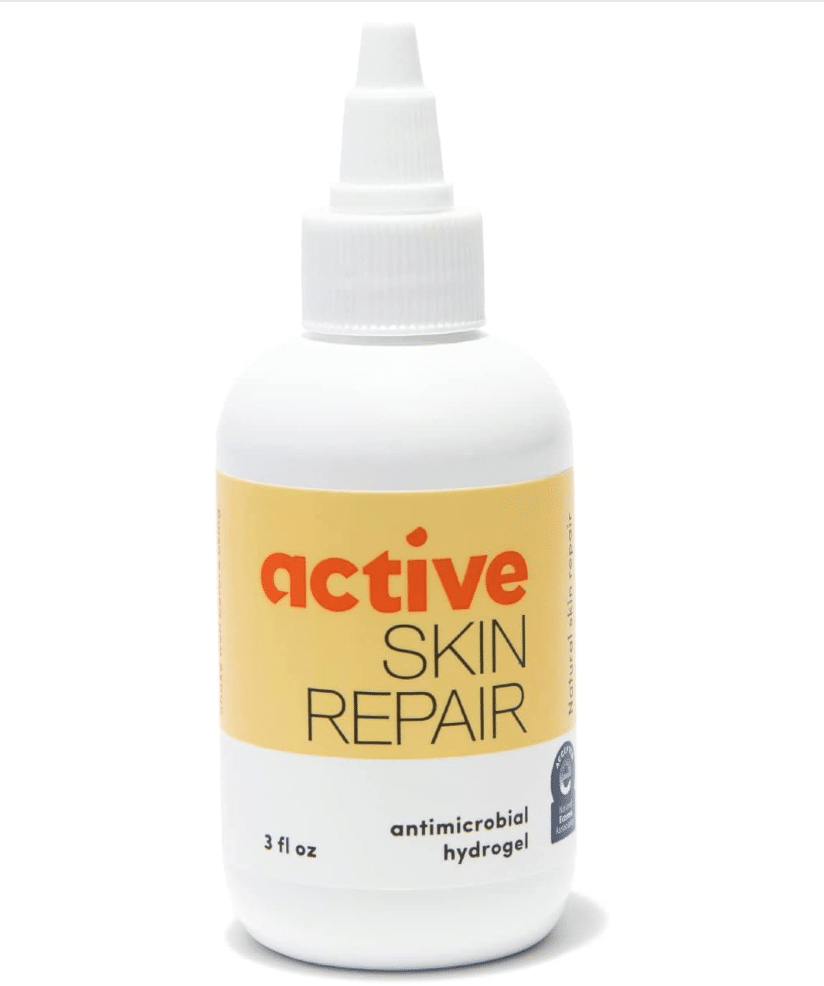
❌ Not Recommended: Active Skin Repair
I don't recommend Active Skin Repair since it has controversial ingredients. It has similar ingredients to Force of Nature all-purpose cleaner which I don't recommend. Here is my Force of Nature review.
INGREDIENTS: ACTIVE: Hypochlorous Acid (HOCl) 0.010%. INACTIVE: Electrolyzed Water (H2O), Sodium Chloride (NaCl), Sodium Hypochlorite (NaOCl), Lithium Magnesium Sodium Silicate, Sodium Bicarbonate, Phosphates, Sodium Sulfate.
Sodium hypochlorite is a strong oxidizer. Oxidation reactions are corrosive, solutions burn skin and cause eye damage, especially when used in concentrated forms.
It is basically made with bleach
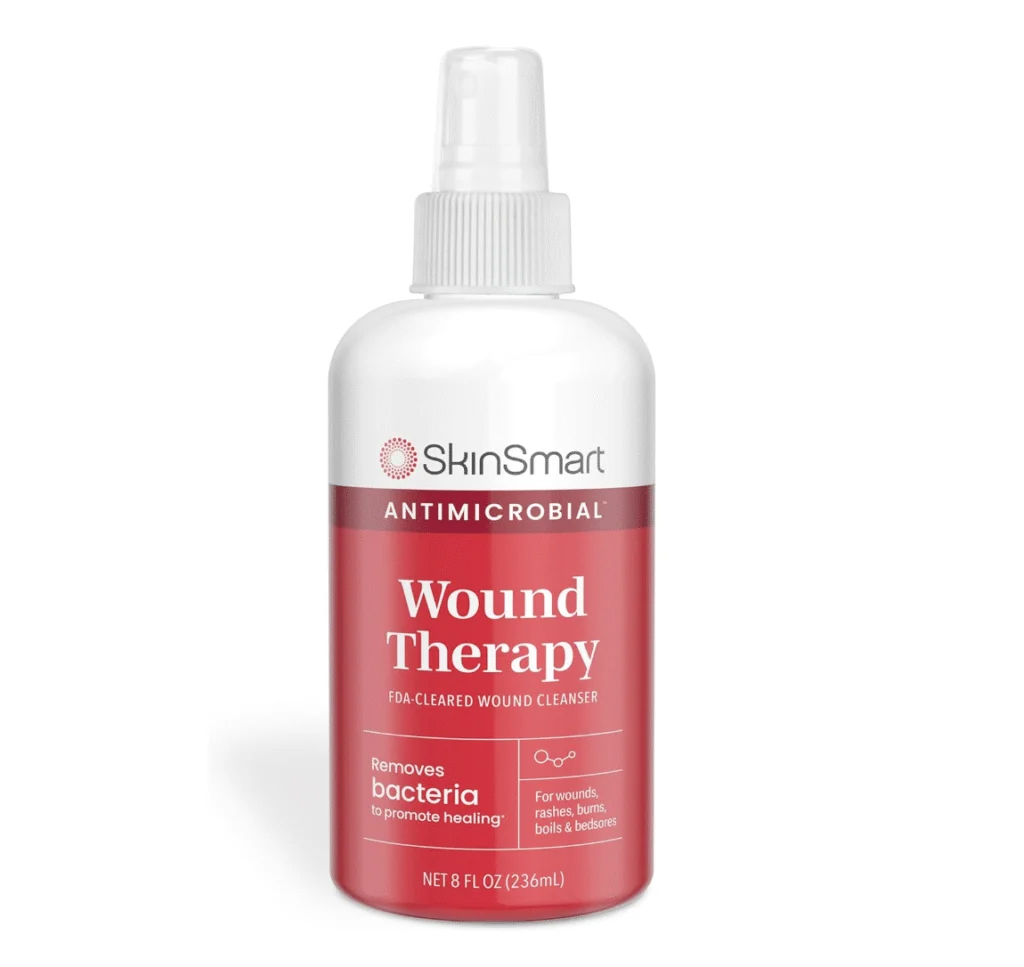
❌ Not Recommended: SkinSmart Products
I don't recommend SkinSmart Products since it has controversial ingredients. It has similar ingredients to Force of Nature all-purpose cleaner which I don't recommend. Here is my Force of Nature review.
Greenwashing and misleading:
first only listed these ingredients on the Amazon page:
INGREDIENTS: hypochlorous acid, water
If you check the label on the picture of the product you will see the full story. Here is the real ingredient list:
INGREDIENTS: ionized water, sodium chloride, hypochlorous acid, and hypochlorite ion.
According to Wikipedia the ingredient Hypochlorous Acid HOCl is a weak acid that forms when chlorine dissolves in water
It is not the same as bleach; it has a different chemical composition than bleach.
Hypochlorous acid is considered safe until it is diluted with water
-
Bleach (sodium hypochlorite): NaOCl
-
Hypochlorous Acid: HOCl
Hypochlorous acid reacts slowly with DNA and RNA as well as all nucleotides in vitro.
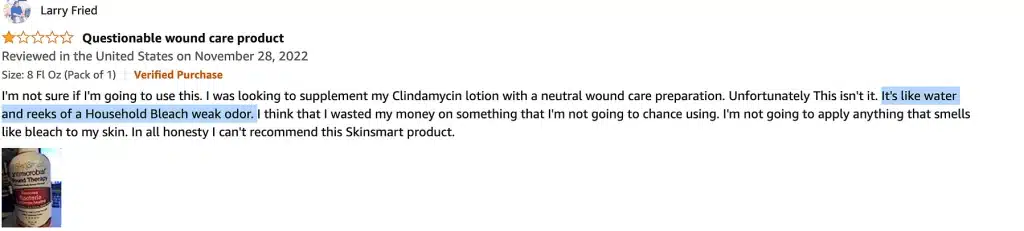
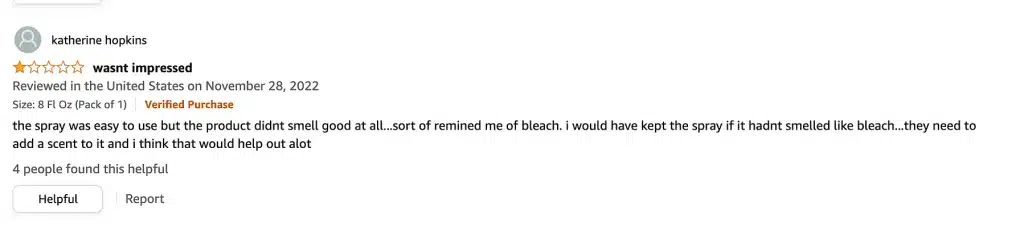
even Amazon reviews mention the bleach smell: "It's like water and reeks of a Household Bleach weak odor. " and how made infection worse.