Impetigo

Impetigo is a highly contagious bacterial skin infection that usually starts as red, itchy sores and can form blisters and the classic honey-colored crust near the nose and mouth. Often it affects young children, but adults can get it too. I got that 🙂
Often confused with Cold Sore (caused from a virus), Impetigo is is primarily caused by Staphylococcus aureus or Streptococcus pyogenes. While it also manifests as sores—often described as “honey-colored” crusts—it requires antibacterial treatment (such as topical or oral antibiotics) rather than the antiviral medications used for cold sores. It is possible for a cold sore to lead to impetigo as a secondary infection.
Frequent nose blowing during colds, allergies and sinus irritates and cracks the skin around the nose, creating entry points for bacteria like staph or strep that cause impetigo. Use soft tissue and nose care to reduce nasal congestions.
Conventional Impetigo Treatments
❌ Avoid conventional Impetigo treatment containing petroleum-derived, synthetic ingredients or with other concerning ingredients.
❌ Petrolatum-derived: some individuals may develop allergic contact dermatitis. Many topical antibiotic ointments (such as mupirocin) utilize polyethylene glycol (PEG) bases.
❌ Topical Antibiotic: Antibiotic Resistance and Overuse of antibiotics, including systemic (oral/injectable) ones, can contribute to the emergence of resistant bacteria like methicillin-resistant Staphylococcus aureus (MRSA). Topical antibiotics can occasionally cause local allergic reactions or skin sensitization.
Greenwashing Impetigo Treatments
Avoid greenwashing products for impetigo made by brands that pretend to be organic, all natural, when they are not. They will use their marketing tricks to convince you to buy their products.
❌ Phenoxyethanol: preservative classified as an irritant, toxic, and harmful. Can have adverse effects on the central and peripheral nervous systems, linked to allergic contact uritica and dermatitis. Made by the reaction of corrosive phenol with carcinogen ethylene oxide. Exposure to phenoxyethanol has been linked to reactions ranging from eczema[2] to severe, life-threatening allergic reactions.[3] Infant oral exposure to phenoxyethanol can acutely affect nervous system function.[4]
❌ Ethylhexylglycerin: Harmonized classification: This substance causes serious eye damage. Severe eye damage observed in animal testing. Classified as an irritant, this substance causes serious eye damage. Severe eye damage was observed in animal testing. Liver effects observed at low doses in repeat-dose studies in rats. This substance is harmful to aquatic life with long-lasting effects. Ethylhexylglycerin: highly relevant, sensitizer in ‘hypo-allergenic’ cosmetics. To report on 13 patients who presented with allergic contact dermatitis caused by ethylhexylglycerin.
The Best Natural Treatments for Impetigo
The Best Organic Treatments & Natural Remedies for Impetigo are made with natural ingredients.
Gently clean with soap or filtered water with pure salt, cover sores, and wash hands often.
Impetigo is usually treated with antibiotics, here are the best natural antibiotic remedies for impetigo:
The Best Natural Topical Treatments for Impetigo
- 🌿 Manuka Honey: Medical-Grade Honey is recognized for its strong antibacterial properties. Studies show that manuka honey can effectively inhibit the bacteria responsible for impetigo in laboratory (in vitro) trials. By Using Medical Manuka Honey you are covering the antiviral and antibiotoics part.
- 🌿 Aloe Vera: Aloe vera can be used to soothe the skin irritation and itching associated with impetigo. While some studies indicate that aloe vera extract has antimicrobial activity against bacteria like Staphylococcus aureus in laboratory (in vitro) settings
- 🌿 Tea tree oil: Known for its antimicrobial and anti-inflammatory properties, it can be applied topically to help fight the bacteria, but it must be diluted in water or a carrier oil to avoid further irritating the skin
- Garlic
- 🌿 Chamomile: Using a cooled chamomile tea wash or a used tea bag can help soothe and clean the affected area
- 🌿 Ginger: Some studies suggest certain components of ginger have activity against Staphylococcus bacteria; it can be applied topically as a poultice.
The Best Supplements for Impetigo
- 🌿 Manuka Honey: medical‑grade honey– Especially high‑grade Manuka honey has potent antimicrobial activity and can be swallowed or used as a mouth rinse; it’s one of the best‑studied natural oral “antibiotics.”
- 🌿 Oregano essential oil – Broad‑spectrum antibacterial and antifungal;
The Best Organic Brands for Impetigo
- 🌿 New Zealand Honey Co. 10% off code: PRETTYORGANICGIRL
- 🌿 First Honey
Shop with my links to support my research!💖


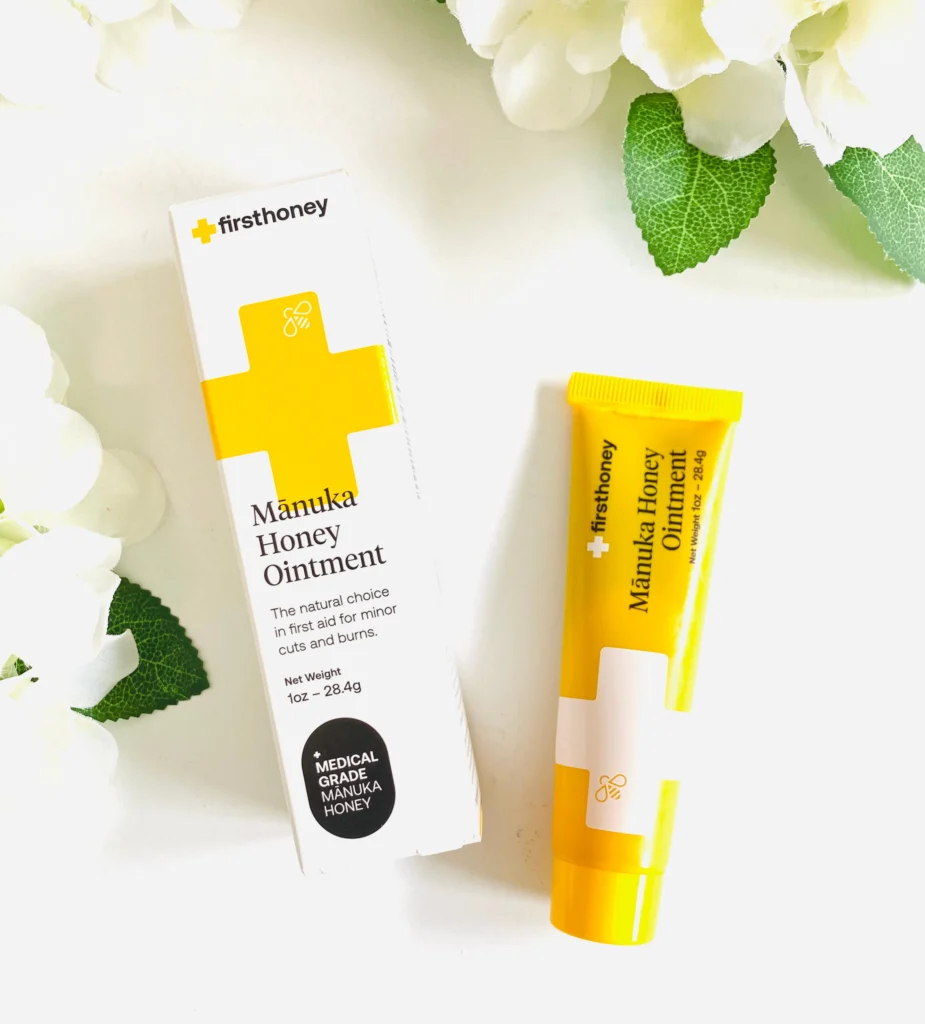
First Honey Manuka Honey Ointment
🌿This Organic Skin Healing Ointment contains the superfood, Manuka Honey.
This is a sterile and easy-to-apply ointment that creates the ideal healing environment for minor wounds, cuts, and burns. The low pH level aids the wound healing process. Keep it in your organic first aid kit.
With its natural antibiotic properties, typical of only Medical Grade Manuka Honey, it provides infection protection, reduces discomfort, and minimizes scarring.
🍯Medical Grade Manuka Honey is often used as a natural topical remedy for cold sores and impetigo due to its potential antiviral and antibacterial properties.
Their farms are monofloral, meaning there’s no cross-pollination with other plants, resulting in the production of the highest-quality rated active Manuka Honey.
🍃Sterile Honey has healing properties because it offers natural bioactivity and high viscosity, which helps to provide a moist protective barrier to protect from infection and minimize scarring.
🌷ISO 13485 Certified Medical Device: First Honey Sterile Honey Ointment is manufactured in a certified ISO 13485 facility, so it’s extremely potent when it comes to healing minor abrasions, lacerations, minor cuts, minor scalds, and burns.
I recommend applying it with an organic cotton swab!
- ✅ Natural antibiotic properties
- ✅ Natural antiviral properties
- ✅ Natural antibacterial properties
INGREDIENTS: 100% medical-grade active Manuka Honey
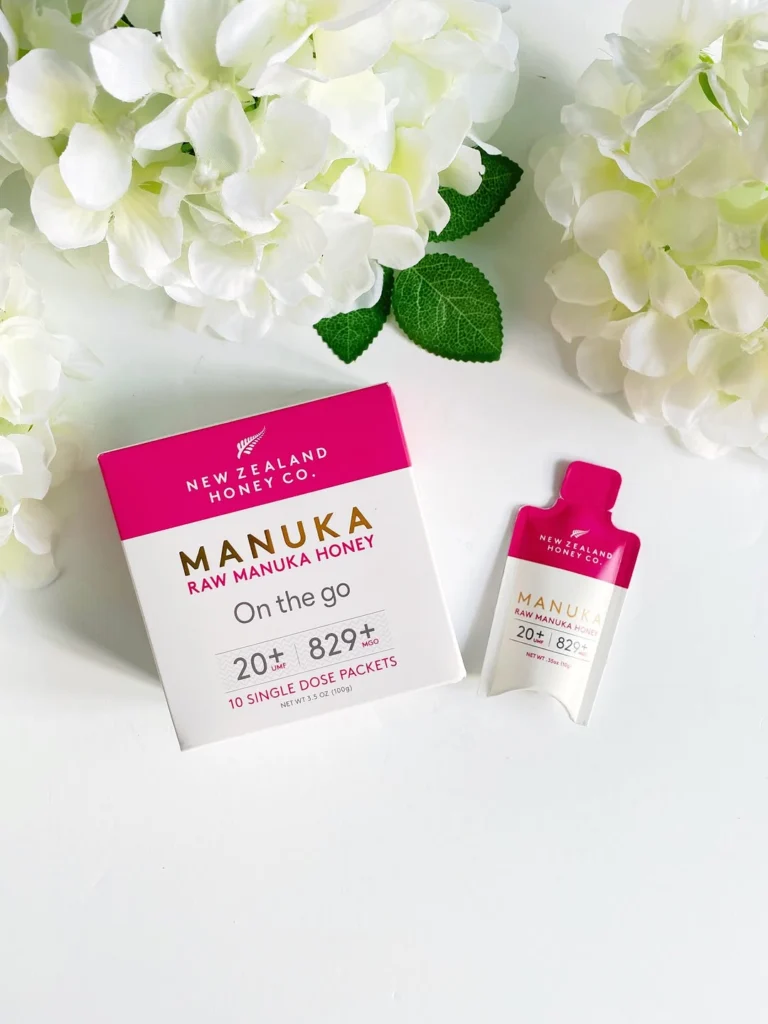
New Zealand Honey Co. Authentic Manuka Honey
New Zealand Manuka Honey is my number one Manuka Honey brand recommendation!
👉There are so many fake Manuka Honey on market including one very popular found in major grocery stores and online. Many are not third party certified by the New Zealand official certification and they are still sold as top brands!
New Zealand Honey Co. has been my fav for years and now it is expanding their line with new products!
🐝If you don’t know what Manuka Honey is, consider it as the king of the honey. It is a superfood used by local indigenous Māori for the natural medicinals properties internally and for the skin!
🍯Authentic Manuka Honey is only derived from the flower of the Manuka tree only found in New Zealand and certified by UMFHA to have unique Manuka factor by licensed companies!
⭐️Higher in their rate and higher is their medicinal property.
🌿Antibacterial, antiviral, anti inflammatory, antimicrobial, energy booster and incredible delicious, everyone should have Manuka Honey at home !
✨To support the immune system, respiratory system (lungs & nose), digestive and gastrointestinal health, to fight colds, cough, for teeth and gums health, for wound healing and skin conditions as cold sores, herpes and impetigo
🌸For organic beauty mask and hair mask. From kitchen, home remedies, beauty treatments! Manuka Honey does it all! To kit in your organic fist aid kit. Great for travel and to carry your organic flight kit essentials.
- ✅ Certified authentic
- ✅ MGO Certified
- ✅ Non-GMO Project
- ✅ Glyphosate free
INGREDIENTS: Authentic Manuka Honey
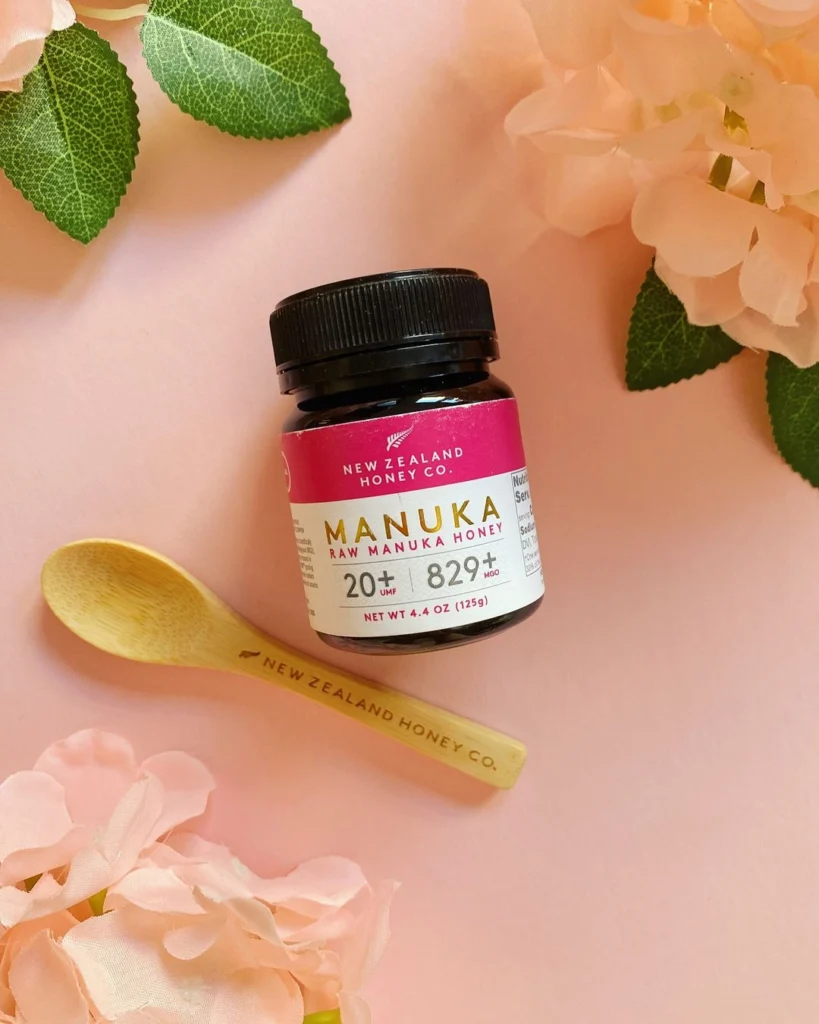
New Zealand Manuka Honey Co.
🌿 New Zealand Manuka Honey Co. is my number one Mānuka Honey brand recommendation. Not all Mānuka Honey brands are approved, since it is an expensive product, there are many fake brands on the market.
Authentic Mānuka Honey is made in New Zealand, and Unique Mānuka Factors UMF™ is certified by Unique Mānuka Factor Honey Association (UMFHA) independently tests and certifies every batch. To learn more here.
New Zealand Manuka Honey Co. is an approved and certified brand that makes authentic Mānuka Honey: they harvest this honey from hives in remote and undisturbed locations around Aotearoa, New Zealand, where the air and landscape are clean and free from pesticides.
Antibacterial, anti-inflammatory, antimicrobial, and energy boosting, it supports the respiratory system, promotes digestive and gastrointestinal health, fights cough and colds, and soothes the throat, for teeth and gum health. It is also great to make a DIY luxurious organic face mask or organic hair mask.
🐝 Mānuka Honey as a topical skin remedy is a natural humectant, and it helps to moisturize skin. The antioxidants in honey also help to prevent oxidation and cellular damage, which can have anti-aging effects on the skin to assist recovery from cold sores, shingles, scars, and eczema. It improves acne, dandruff, and rosacea when applied topically, remedies breakouts, helps wounds to heal, and supports the natural recovery from burns or as an organic after-sun.
Manuka honey can support proper hydration, helping the body absorb electrolytes and water.
🌿 New Zealand Manuka Honey Co. is Non-GMO, certified by The Detox Project to be glyphosate and agricultural pesticide-free.
- ✅ 100% New Zealand Made, ethically produced
- ✅ Traceable To The Source: Every jar of monofloral manuka honey has a unique QR code.
- ✅ Laboratory Tested: Every batch is tested and verified for authenticity and purity.
- ✅ Glyphosate-free Certified
- ✅ Halal Friendly: All of their Manuka Honey is approved as Halal by FIANZ.
- ✅ Packaged in BPA Free PETE plastic🌟
INGREDIENTS: Authentic Manuka Honey
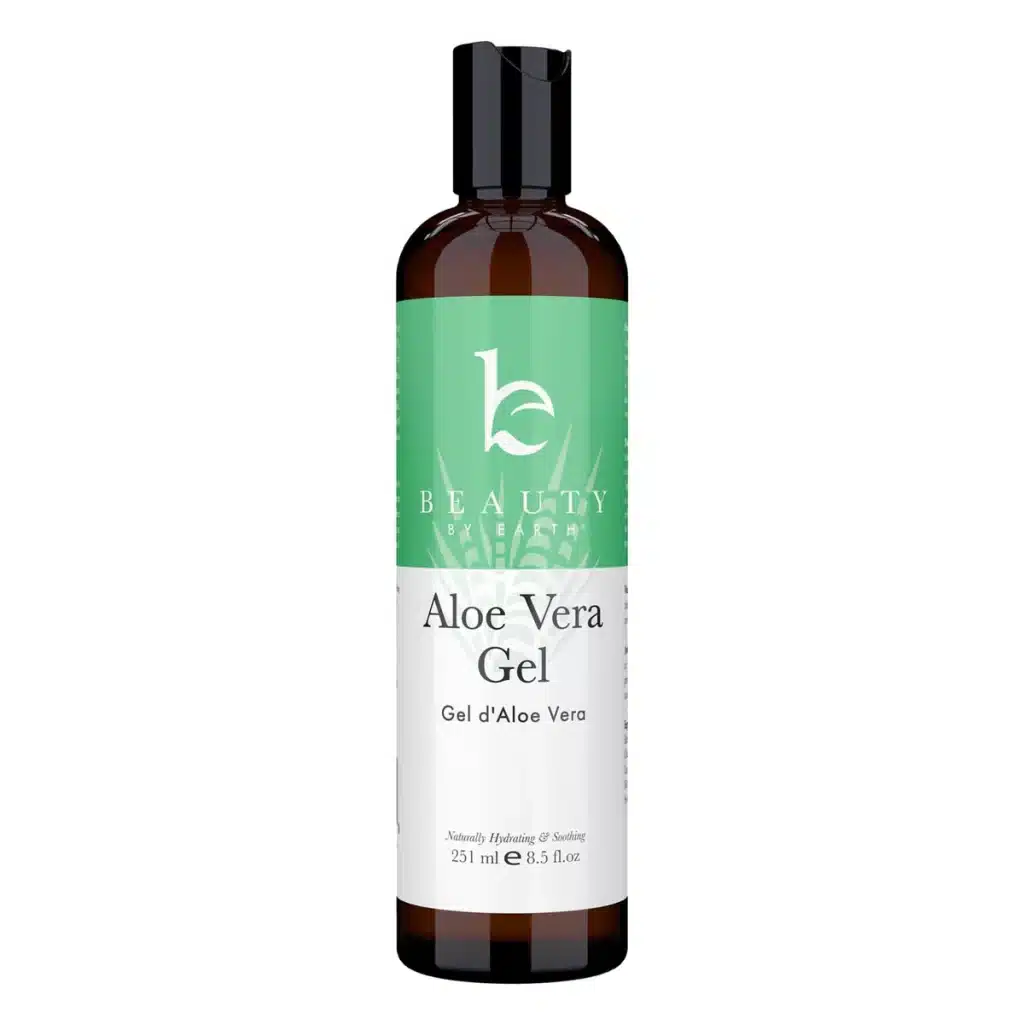
Beauty by Earth Organic Aloe Vera Gel
Beauty by Earth Organic Aloe Vera Gel
🍃This Organic Aloe Vera Gel is made with 98% Organic Aloe Vera.
It i one of the natural aloe vera gel and the most natural on the market!
Great as a cooling, organic after sun, for any ages.
Known for its antiviral and anti-inflammatory properties, topical organic aloe vera is soothing for cold sores and impetigo.
This gentle, moisturizing formula will keep your skin soft and youthful while bolstering its defenses.
This organic aloe vera gel is formulated with certified organic ingredients.
- ✅ Certified Organic ingredients
- ✅ Soothing burned, irritated, or itchy skin
- ✅ Hydrating dry skin and hair
- ✅ Boosting skin's elasticity
- ✅ Reducing inflammation and redness
INGREDIENTS: Organic Aloe Barbadensis (Aloe Vera) Leaf Juice, Ascorbyl Glucoside (Vitamin C), Xanthan Gum, Radish Root Ferment Filtrate, Tocopherol (Vitamin E), Sodium Citrate. *Certified Organic Ingredients
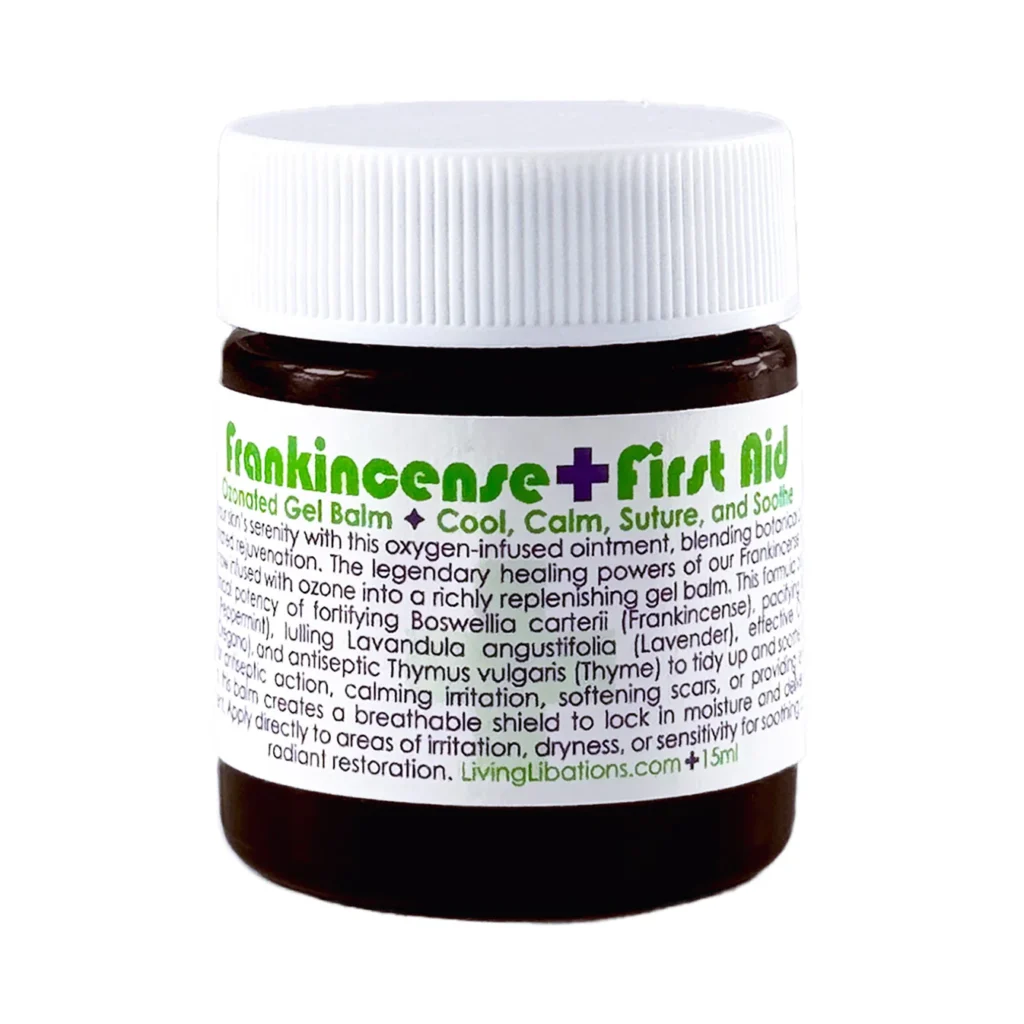
Living Libations Frankincense First Aid
🌿Living Libations Frankincense First Aid
This potent balm is a all natural first aid gel made with powerful natural ingredients.
It is infused with the same synergistic blend of fortifying Frankincense, calming Peppermint, restorative Lavender, protective Oregano, and purifying Thyme as the essential oil blend, antiseptic, and revitalizing power of ozonated Jojoba.
Infused with ozonated Jojoba, this gel balm deeply nourishes, delivering activated oxygen to replenish and restore skin in need. It forms a soothing moisture veil that locks in hydration and enhances the healing power of botanical biotics—your comforting ally for cooling, calming, and rejuvenating skin after everyday strains and scrapes.
Cool, calm, suture, and soothe your skin with the potent touch of ozonated botanicals.
This gel balm creates a soothing moisture barrier, sealing in hydration while amplifying the healing properties of botanical-biotics.
INGREDIENTS: Ozonated Jojoba, Frankincense, Peppermint, Lavender, Oregano, Thyme
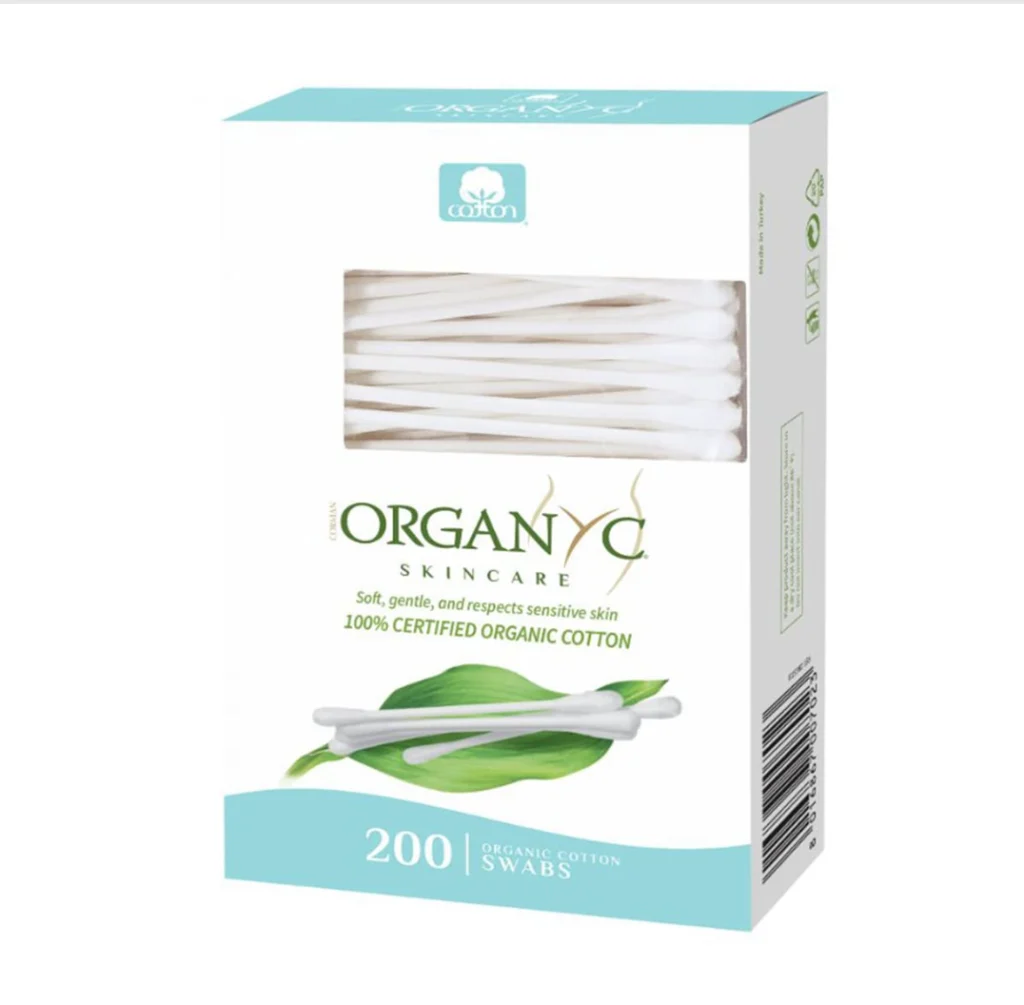
Organyc 100% Certified Organic Cotton Swabs
🌿Organyc 100% Certified Organic Cotton Swabs are my favorite!
These organic cotton swabs are certified by the Global Organic Textile Standard. Their organic cotton is sourced from farms in Turkey and in the U.S. (North & South Carolina, Texas)
Naturally biodegradable, decomposing naturally to create less waste.
They are gentle and soft on sensitive skin. Textured for added absorbency and fiber strength.
Also perfect to use as an organic makeup tool with your organic makeup.
Sustainably sourced and produced in an eco-friendly facility.
Great to apply topical natural antibiotics.
- ✅ GOTS and ICEA 100% certified organic cotton
- ✅ Biodegradable
- ✅ 100% Hypoallergenic
- ✅ TCF: Totally chlorine free, purified using hydrogen peroxide
- ✅ Clinically proven for sensitive skin
- ✅ Zero waste
INGREDIENTS: GOTS-certified organic cotton
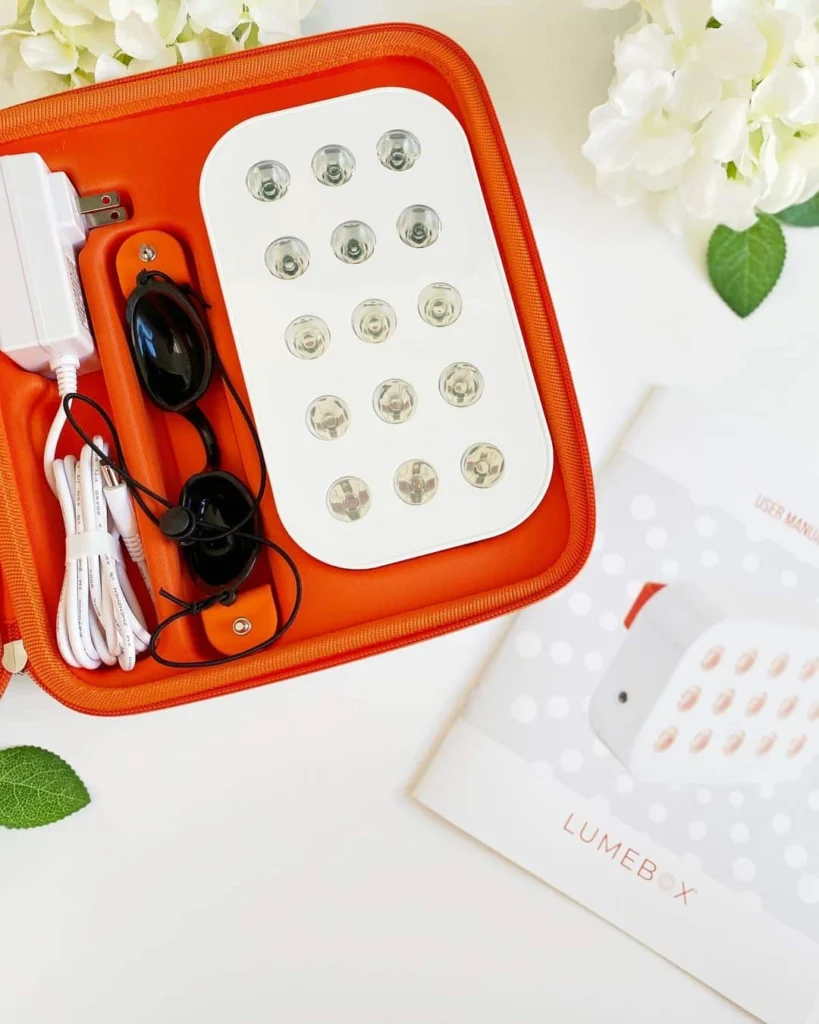
LUMEBOX Red Light Therapy
Lumebox is very handy and easy to use. It is portable, wireless, and great for many situations
This Red Light Therapy device delivers red light irradiance and infrared irradiance
Having it at home is very helpful.
🌿Red light therapy may help with many skin conditions and improve lifestyle.
It is used to improve blood flow, reduce inflammation, and improve skin issues.
You can see results in skin dryness, skin irritation, seborrheic dermatitis, eczema, rosacea, scars, pimples, and acne-prone skin. It improves skin elasticity, wrinkles, and skin texture. It helps with muscle tension, inflammation, and facial muscle tightness.
It improves joint health, edema, and promotes sleep. It also increases energy. I tried it for period cramps, and it worked for me.
Red light therapy can shorten the duration of cold sore outbreaks by stimulating cellular repair and boosting mitochondrial energy production in affected skin cells, leading to faster tissue healing.
LUMEBOX provides BOTH red (660nm) AND near-infrared (850nm) light, WITHOUT damaging UV rays.
Red light Therapy Class II Medical Device has optional 6 and 12-minute timers, a portable design to bring it with you anywhere, and is 25% bigger than most portable devices for larger treatment areas.
- ✅ Lab tested by a third party for irradiance and safety
- ✅ FDA-registered device
- ✅ Independently certified
- ✅ Lab tested by a third party for high irradiance and safety
- ✅ Available in Canada, Australia, and the UK
My link will give you a $260 discount!